
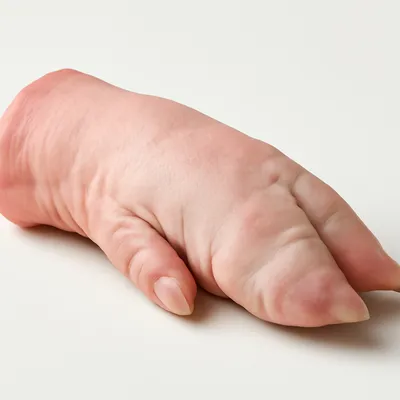
Zhuangyuan Trotter is the signature red-braised pig trotter of Qingyan, the stone-walled ancient town south of Guiyang in Guizhou. A whole trotter is singed, scrubbed and blanched, then simmered for hours in a master stock of caramel sugar color, soy, rock sugar and a sachet of star anise, cassia and other spices until the skin turns deep amber and the connective tissue collapses into a gelatinous, yielding bite. It is sliced to order and eaten with a pungent Guizhou dip of charcoal-roasted chili, aged vinegar and chopped fish-mint (zhe'ergen). The name carries a flavor of imperial-exam luck: the trotter is tied by local legend to Zhao Yijiong, a Qingyan-born Zhuangyuan (状元, the top laureate of the palace examination). Gnawing the trotter is itself a pun on success, since 蹄 (trotter) echoes 题 in the phrase for topping the exam list.


Qingyan was a fortified frontier town on the old Guiyang–south road, and its lane-side stalls had long sold lu (master-stock braised) pig trotters before they acquired their auspicious name. That name is firmly documented: Zhao Yijiong (1857–1907), a native of Qingyan, placed first in the palace examination of the bingxu year, Guangxu 12 (1886), becoming Guizhou's first civil Zhuangyuan and the first man of the Yunnan–Guizhou region to win the empire's top laureate by examination. What is NOT documented, and is told only as folklore, is that this dish made him a Zhuangyuan. Local tales — circulated in food writing rather than any gazetteer of his life — say that while studying late before the exams he ate the night-stall braised trotters and was wished 'success on the golden list'; a rival version credits a pot his mother braised for the road to the capital. After he triumphed, the lu trotter is said to have been dubbed the 'Zhuangyuan Trotter.' The town's living trade is real (Qingyan braised trotter is recognized as a local intangible-heritage food); the exam-luck origin tale should be read as legend, sustained because 蹄 (tí, trotter) puns on 题 (tí) in jin-bang-ti-ming, 'to have one's name on the golden list.'
The skin is the prize: deep mahogany, faintly sticky, lacquered with reduced stock and just resistant before it gives. Beneath it the fat has rendered soft and the connective tissue has melted to a lip-coating, gelatinous slip, so a slice quivers and the meat pulls cleanly from the bone. The braise reads sweet-savory and aromatic — rock sugar, soy and warm spice — never heavy, the richness cut the instant the trotter meets the sour, smoky, herbaceous fish-mint dip.
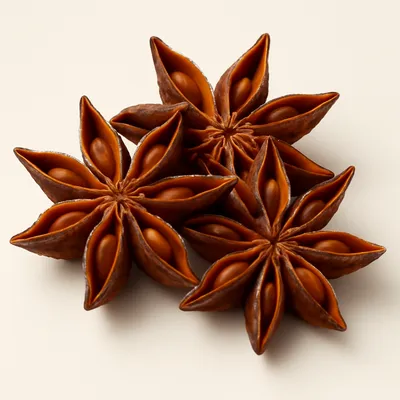
A trotter is mostly skin, fat and collagen-rich connective tissue, which is why it must be cooked long and gently rather than fast. Sustained moist heat held just below a rolling boil unwinds collagen's tight triple-helix — breaking the hydrogen bonds that lock the strands — so it hydrolyzes into gelatin: the slithery, mouth-coating body that makes the bite ruan-nuo (soft-glutinous) rather than rubbery, while dissolved gelatin also gives the reduced stock its glossy, lip-sticking cling. Two flavor-building steps frame the braise. First the sugar color (tang-se): rock sugar is melted and cooked to caramel before liquid goes in, so browning compounds lend the skin its red-amber tone and bittersweet depth, reinforced by dark soy. Then the lu master stock — soy, rock sugar, wine and a spice sachet of star anise, cassia and the like — penetrates slowly over hours. Finishing matters too: resting and a gentle reduction let the gelatin-thick liquid glaze the surface. The accompanying Guizhou dip is functional, not decorative — charcoal-roasted chili, aged vinegar and fish-mint deliver acid, smoke and a sharp herbal note that cut the fat and reset the palate between rich bites.
Variations
Recipes split mainly on cut and stock. Some braise the front trotter (more skin and tendon, prized for gelatin), others the hind leg for more meat; many shops keep a perpetual lu stock topped up across years, which deepens with use. Spice sachets vary — star anise and cassia are constant, with sand ginger, fennel, licorice, caoguo or tsaoko among the common additions. The dip is where Guizhou identity shows most: classic versions use charcoal-roasted ground chili, locally aged 'double-flower' vinegar and chopped fish-mint, though heat and the fish-mint can be dialed up or omitted for outside palates. Beyond the town, the same braise is served as a cold sliced platter or built into rice and noodle bowls, and the name 'Zhuangyuan Trotter' now travels as a Qingyan brand well past the original stalls.
On the Palate
Where Zhuangyuan Trotter sits in the Chinese flavor cloud
Ingredients
Serves 5



How it's made
8 steps · 3 hours
- 120 min
Scorch the surface hair off the pig trotter with a flame, then soak, scrape and scrub the skin clean; chop each trotter through the bone into large pieces.
- 215 min
Blanch the trotter pieces in boiling water to drive off scum and blood, then lift out and rinse.
- 310 min
Fry the sugar color: melt rock sugar in a little oil over low heat until it caramelizes to a deep amber, then carefully add stock or water to stop the cook.
Watch outMelt the rock sugar low and cook it just to a deep amber — pull it there; a shade too dark and the caramel turns bitter and ruins the braise's color.
- 410 min
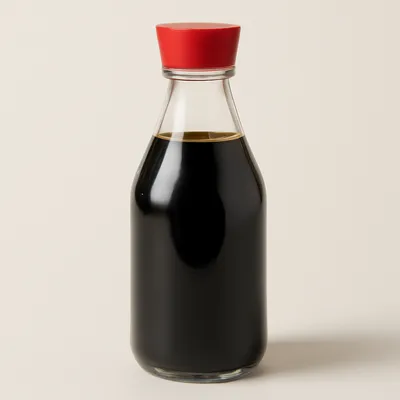
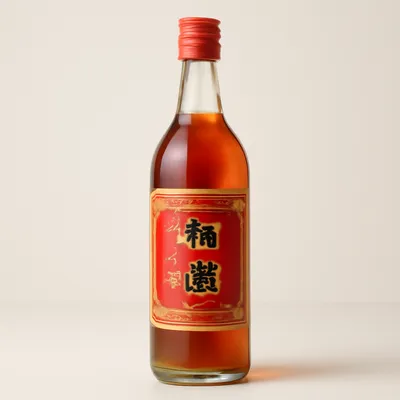
Build the lu master stock: combine the caramel with dark and light soy, the rest of the rock sugar, Shaoxing wine, ginger and a tied spice sachet of star anise, cassia and aromatics; bring to a simmer.
- 5210 min
Add the blanched trotter, return to a boil, then drop the heat so the stock barely trembles and braise gently for about 3–4 hours, until the skin is red and the connective tissue is meltingly soft.
Watch outBraise at a bare tremble 3 to 4 hours until the skin is red and the tissue meltingly soft — gentle heat hydrolyzes the collagen; a rolling boil toughens it.
- 615 min
Uncover and reduce the stock over higher heat, spooning it over the trotter so the gelatin-rich liquid glazes the surface.
Watch outReduce the stock and spoon it over so the gelatin-rich liquid glazes the surface — that self-thickened sauce is what gives the trotter its glossy, lip-sticking finish.
- 715 min
Rest the trotter briefly in the warm stock to set the glaze, while you pound charcoal-roasted chili and mix it with aged vinegar and chopped fish-mint for the dip.
- 85 min
Slice or portion the trotter, nap with a little reduced stock, and serve hot with the Guizhou dipping sauce alongside.


