
A banquet showcase of the Henan 白扒 (white-braise) technique, built on fish maw — the dried, deep-fried-and-soaked swim bladder long counted among the 'eight sea treasures' (海八珍). The soaked maw is sliced into broad pieces, blanched, and laid in order on a bamboo mat (竹箅), then braised gently in a rich, milky pork-and-bone broth (奶汤) over low heat until it drinks in the broth, the sauce reducing to a glossy ivory white. The mat lets the assembled piece be inverted whole onto the plate without breaking its arrangement, ringed with blanched greens. Because no soy or dark seasoning is used and the finish stays white, it is also called 白扒广肚. It was named one of Henan's ten classic dishes in the 2018 'Chinese Cuisine' release.



扒广肚 belongs to the 白扒 family of Henan banquet cookery, in which a prepared ingredient is laid in order on a bamboo mat and braised in a pale broth so it keeps both its shape and a clean white colour. The dish is built on dried fish maw, the swim bladder of large fish, a costly dried good (also called 花胶) ranked among the 海八珍; the exact inventor and date of the dish are not on record. Its name describes the method and material plainly: 扒 is the technique of arranging the pieces, braising them slowly without stirring, and sliding them onto the plate with their order intact, and 广肚 is the trade name for a grade of fish maw. The 白扒 / 红扒 (white-braise / red-braise) distinction is a standing feature of Henan cooking, the white kept pale on a milk broth and the red coloured with soy; 扒广肚 is the showpiece of the white side. It was selected as one of Henan's ten classic dishes when the 'Chinese Cuisine' (中国菜) list was released on 10 September 2018.
A piece comes up soft and yielding, with a faint springy chew and a slippery, almost melting smoothness — the maw has no flavour of its own but has soaked the broth right through, so each bite tastes of the milky pork stock, savoury and gently rich rather than fishy. The sauce clings as a thin glossy white glaze, not a heavy gravy, and the ring of greens gives a fresh, lightly bitter snap against the softness. Done well the maw is fully and evenly soaked, with no hard or rubbery core and no off smell, and the whole piece holds its shape when inverted; done badly it is under-soaked and rubbery, or carries a stale fishy-oily note from poor preparation, or the broth is thin and watery instead of properly milky and the dish tastes of little.
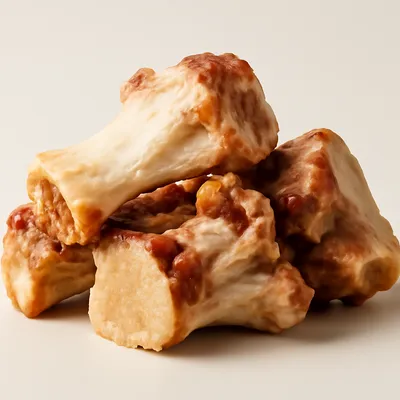
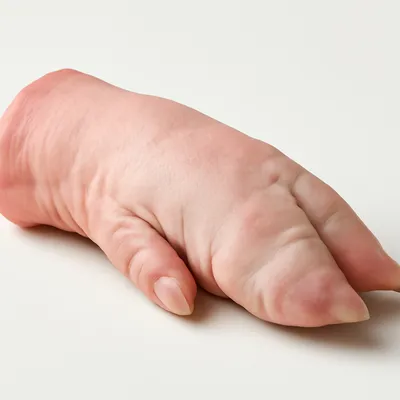
Two things make the dish: rehydrating the maw and the white braise. Dried fish maw is almost pure collagen, hard as horn; it is reconstituted in stages — soaked, then puffed in warm oil or baked until it swells and turns spongy, then soaked again in changes of water — so the protein matrix opens into an airy, water-holding sponge that can absorb broth. A blanch removes any oil and fishy note. The 奶汤 is the flavour: pork bones, trotter and the like are boiled hard at a rolling boil, so fat and the gelatin and tiny protein particles from the bones emulsify into the water and turn it opaque and milky white — a true emulsion, not cream. Braised slowly on the mat, the spongy maw wicks this savoury emulsion in while staying pale, and a little starch at the end tightens the broth into a thin glossy coat. Low heat and no stirring are essential: the soft maw breaks easily, and the bamboo mat lets the assembled piece be turned out whole, its arrangement intact.
Variations
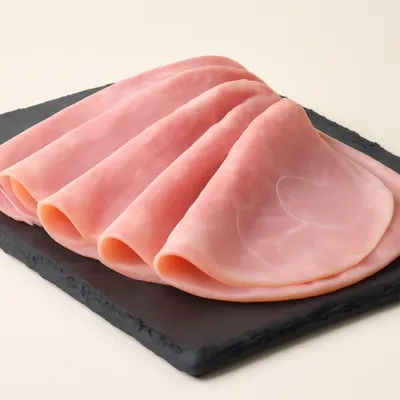
扒广肚 is the white-braise (白扒) showpiece; its red-braise sibling, coloured and seasoned with soy, runs as 红扒广肚, and the same 扒 method is laid over sea cucumber, tendon, bear's paw and other banquet goods (扒鱼翅, 扒蹄筋, etc.). The plain dish is also called 白扒广肚; cooks vary the toppings laid first on the mat — ham slices, winter-bamboo shoot, shiitake — and the greens around the rim are usually 菜心 (choy-sum hearts). A coarser everyday version skips the mat and simply braises sliced maw in milk broth. Fish maw itself, sold dry as 花胶 or 鱼肚, comes in many grades from different fish, and the choice of maw — its thickness and how cleanly it puffs — largely decides the quality of the finished dish.
On the Palate
Where White-Braised Fish Maw sits in the Chinese flavor cloud
Ingredients
Serves 6

How it's made
7 steps · 1 hour
- 140 min
Reconstitute the dried fish maw: soak it, then puff it in warm oil (or bake it) until it swells and turns spongy, and soak again in several changes of water until soft throughout; squeeze out water.
Watch outReconstitute the maw in stages — soak, then puff in warm oil until spongy, then soak again — so the hard collagen opens into a broth-drinking sponge.
- 26 min
Slice the soaked maw into broad even pieces and blanch them briefly in boiling water with a little wine and ginger to remove any oil and fishy note; drain.
- 390 min
Make the milk broth: boil pork bones and trotter hard at a rolling boil until the liquid turns opaque and milky white, then strain.
Watch outBoil pork bones and trotter hard at a rolling boil until the liquid turns opaque milky-white — that emulsified 奶汤 is the flavor.
- 412 min
Arrange ham slices, winter-bamboo shoot and shiitake decoratively on a bamboo mat, then lay the maw pieces over them in neat order, press flat, and set the mat in the pan.
- 515 min
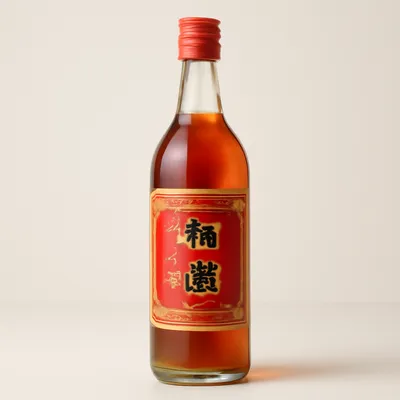
Pour in the milk broth to cover, season with salt, wine and a little ginger juice, bring to a boil, then braise gently over low heat without stirring until the maw soaks up the broth.
Watch outBraise gently without stirring so the maw soaks up the broth and keeps its neat arrangement in the mat.
- 66 min
Turn the heat up to reduce the broth to a glossy ivory white, thicken with a little starch slurry, then lift out the mat and invert the assembled maw onto a plate, keeping its arrangement.
- 74 min
Ring the maw with blanched choy-sum hearts and pour the remaining glaze over the top to serve.


