
The flagship dish of Zu'an cuisine, the early-twentieth-century Hunan banquet style built by the statesman and gourmet Tan Yankai and his household chef Cao Jinchen. Soaked shark fin is wrapped in cloth and braised for hours over the lowest fire in a stock rendered from old hen and pork shank, until the fin turns soft and glutinous and carries the full savor of the broth. There is no chili here: the dish is pure salty-umami, the apex of the Tan family kitchen.

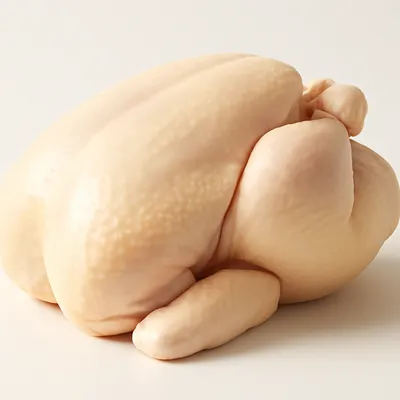

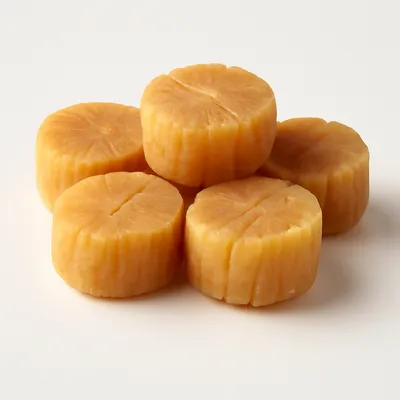
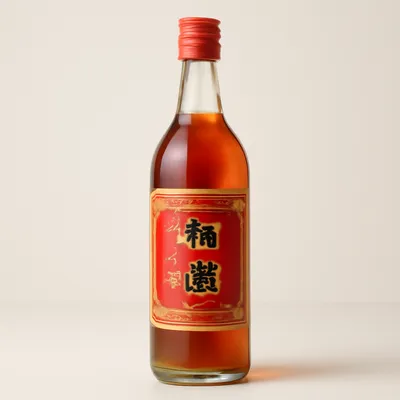

The dish is named for Tan Yankai (1880–1930), a native of Chaling in Hunan who placed first among the provincial graduates in the 1904 examinations and entered the Hanlin Academy, then rose under the Republic to chair the Nationalist government and serve as its first premier. A famous gourmet, he and his household chef Cao Jinchen — known as Cao the Fourth, a man who had cooked in late-Qing official kitchens — developed a body of refined banquet dishes that came to be called Zu'an cuisine, after Tan's courtesy name. Their shark fin, also recorded as Zu'an shark fin, reworked the older method of yellow-braised fin: instead of braising the fin alone, Cao stewed it together with hen and pork so the proteins of the meat would steep into the fin, curing the old complaint that the broth was delicious while the fin itself stayed bland.
The fin comes to the table pale gold under a clear, glossy sauce, the needles lying soft and whole. It yields at once, almost slippery, with none of the rubbery snap of an underdone fin. The fin itself is nearly tasteless by design; what fills the mouth is the deep savor it has drawn from hen and pork, rounded and lingering, finished with a quiet lift of white pepper and the gloss of chicken fat. No chili, no edge — only depth.
Everything hinges on wei — a long, gentle braise over the lowest possible fire. Shark fin is almost pure collagen and carries little flavor of its own, so the technique treats it as a sponge: held for hours just below a simmer, the fin's collagen slowly hydrates and softens into a glutinous, gelatin-rich texture while the chicken and pork render their own collagen and glutamates into the surrounding broth, which the fin then absorbs. The first stock is deliberately discarded to wash away the raw, fishy notes, and the fin is rebraised in fresh meat stock. A rolling boil would tatter the needles and cloud the sauce; the near-silent low fire keeps the strands intact and the liquid clear, which is finished by reducing it to a glossy nap. The result is the umami of slow-extracted free amino acids, with no spice to mask it.
Variations
The same braise underlies the wider Zu'an repertoire — Zu'an tofu, Zu'an bird's nest, Zu'an abalone — all built on the same painstaking meat stock. Cooks differ on the supporting players: the classic version leans on dried scallop, with some adding shrimp meat or shiitake; ham is sometimes worked into the stock for extra depth, though it is not part of the canonical recipe. Because shark fin is now widely restricted on conservation grounds, many modern kitchens serve the braise over mung-bean vermicelli or other gelatinous stand-ins, keeping the stock and the technique while dropping the fin itself.
On the Palate
Where Zu'an Shark Fin sits in the Chinese flavor cloud
Ingredients
Serves 8


How it's made
7 steps · 1 hour 30 min
- 140 min
Soak the dried shark fin in cold water over one to two days, changing the water often, until fully expanded and pliable; trim away any rough membrane and rinse clean.
- 235 min
Wrap the fin loosely in a clean white cloth and set it on a bamboo mat in a clay pot. Cover with chicken stock, add Shaoxing wine, scallion knots and ginger, bring to a boil over high heat, then drop to low and braise about half an hour. Lift out the fin and discard this first liquid.
Watch outDiscard this first braising liquid entirely — it carries the raw, fishy notes, and keeping it taints the whole finished dish.
- 320 min
Cut the old hen and pork shank into large pieces and blanch to remove scum. Line the clay pot with the pork, scallion and ginger, return the wrapped fin, and top with the hen.
- 4240 min
Add dried-scallop stock, Shaoxing wine, salt and fresh water to cover. Bring to a boil over high heat, then move to the lowest fire and braise, covered, about four hours, until the fin is fully soft and glutinous and the broth is deeply fragrant.
Watch outHold it at the lowest possible fire for four hours — a rolling boil tatters the delicate needles and clouds the broth before the fin softens.
- 510 min
Remove from the heat. Lift out and reserve the meat and aromatics; unwrap the fin and arrange the needles neatly on a serving plate.
- 610 min
Heat rendered chicken fat in a wok until about eight parts hot, pour in the strained braising liquid, season with a little salt, and reduce to a glossy sauce.
Watch outReduce the strained liquid to a glossy sauce that just naps the fin — too thin and it slides off, too far and it turns gluey.
- 75 min
Nap the sauce over the fin, dust lightly with white pepper, and finish with a drizzle of chicken fat.
Archive tool suggestions — not reviewed
These legacy suggestions have not been evidence-reviewed and are not presented as required tools.


