A Changsha folk sleight-of-hand: raw egg contents are extracted through a pinhole, blended with a savory pork-and-mushroom filling, then piped back into the intact shell and steamed — the egg that looks like an egg but is something else entirely.





Swapped-Yolk Stuffed Eggs belong to a tradition of 'trick dishes' (花样菜) in Changsha's street-food and teahouse culture, where artisan cooks demonstrated technique mastery through visual deception. The dish circulated as a vendor specialty that delighted customers with its reveal: the shell intact, the egg clearly cooked, yet the first bite yielding minced pork instead of yolk. No single inventor or founding period is documented; the recipe passed through Changsha's food-stall tradition by word of mouth, each cook guarding the method as a personal trade secret.
The shell cracks to reveal a firm, gently seasoned pork-and-mushroom center where the yolk should be — savoury, moist, faintly fragrant with sesame and ginger — cradled in the familiar springy white of the egg.
The raw egg liquid extracted from the shell is blended into the minced-pork filling as a binder. During steaming at 85–95°C, pork myosin (which denatures around 50–70°C) and egg ovalbumin (which sets around 80°C) form an interlocked co-gelled protein network, producing a cohesive filling that holds the shape of the yolk cavity. Steaming's moist, even heat is essential: it sets the filling throughout without the sudden thermal shock that would crack the fragile shell.
Variations
A shrimp-and-pork filling is a richer variant. Some cooks add finely diced water chestnut for crunch contrast, or minced Hunan chili for heat. After steaming, the stuffed eggs can be briefly braised in light soy sauce, ginger, and a touch of sugar to add a glossy finish.
On the Palate
Where Swapped-Yolk Stuffed Eggs sits in the Chinese flavor cloud
Ingredients
Serves 4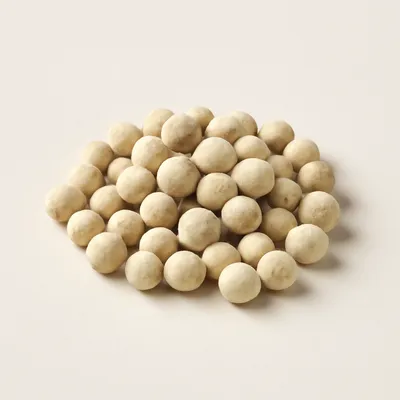


How it's made
7 steps · 35 min
- 115 min
With a thick needle or chopstick tip, pierce a hole about 5 mm wide at the wide end of each raw egg. Insert a toothpick and gently break the yolk inside, then blow softly through the hole to push the egg white and yolk out into a bowl below. Rinse the empty shells gently with water and stand upright to drain.
- 28 min
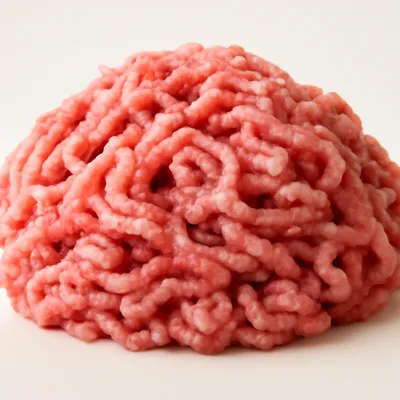
Season the collected egg liquid with salt, white pepper, and a few drops of sesame oil. Add finely minced pork, minced ginger, and finely diced shiitake mushroom. Stir briskly in one direction until the filling becomes smooth and slightly sticky.
Watch outStir the egg-and-pork filling one direction until smooth and slightly sticky — this cohesion lets it hold the yolk-cavity shape when steamed.
- 35 min
Fit a small piping bag or a cone made from parchment paper. Fill it with the pork mixture and slowly pipe the filling back into each empty shell through the hole, tapping gently as you go to eliminate air pockets. Fill to about 90% capacity to allow for expansion.
- 43 min
Mix a thick paste of all-purpose flour and a few drops of water. Dab the paste over the hole of each filled egg to seal it. Stand the filled eggs upright in an egg holder or nestle them in a tray of dry rice grains.
- 522 min
Place the egg holder over a wok of boiling water; cover and steam over medium heat for 20–22 minutes until the filling is fully set and firm to a gentle press.
Watch outSteam over medium heat 20–22 minutes until firm to a gentle press — high heat cracks the fragile shell before the filling sets.
- 65 min
Remove from heat and allow to cool for 5 minutes. Carefully peel the shells away to reveal the stuffed eggs. Slice each egg in half lengthwise to expose the filling.
- 72 min
Arrange on a serving plate and drizzle with a dipping sauce made from light soy sauce, a few drops of sesame oil, minced ginger, and a pinch of sugar.
Archive tool suggestions — not reviewed
These legacy suggestions have not been evidence-reviewed and are not presented as required tools.


