
A one-pot rice of the Shanghai home and neighborhood restaurant, in which raw rice is cooked together with diced cured pork (咸肉), chopped short-stalked green bok choy (矮脚青菜), and a spoon of lard so the fat and salt of the pork render through every grain. It differs from a plain greens rice (菜饭) by the cured pork, which is what makes it savory and rich rather than light. Made well, the rice is loose and glossy, the greens still hold color, and the pork is soft and just-salty. It is winter comfort food, best when the greens have been touched by frost, and is eaten as a meal in itself.

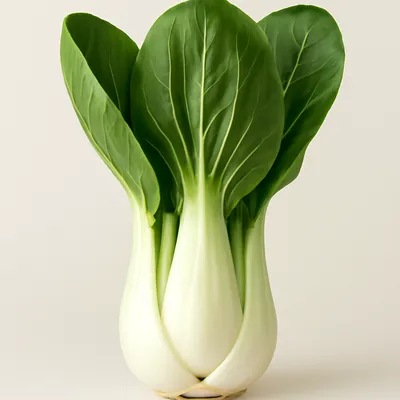


Greens rice (菜饭) is an old home dish across the Jiangnan region — Jiangsu, Zhejiang, and Shanghai — and the Shanghai cured-pork version is the local, savory line of it; the dish is everyday home and small-restaurant cooking rather than the invention of any one cook or date. The cured pork is the home-salted pork belly or leg of the lower Yangtze, hung through the cold months. The greens of choice are the short-stalked green bok choy that Shanghai people call 矮脚青菜 or simply 青菜, and the dish is associated with winter, when the greens are at their sweetest after frost. The plain (meatless) greens rice and the cured-pork version sit side by side in the home repertoire; a sausage version (香肠菜饭) uses Chinese sausage in place of, or alongside, the cured pork.
Spooned up hot, the rice is loose and a little glossy, each grain carrying salt and a clean pork fat. The greens give a soft green note and a faint sweetness, more so if they were frosted; the cured pork is dense and chewy, salt-forward, and where the bottom of the pot caught it there is a thin toasted crust. The whole bowl smells of lard and pork. Made well, the rice is neither wet nor dried hard, the greens are still recognizably green and not stewed to khaki, and the salt is balanced. Made badly, it is either soggy and bland or burnt and dry, the pork is too salty or too fatty, and the greens have gone gray and limp.
The dish works because the rice cooks in flavored fat rather than plain water. The cured pork is diced and rendered (or stir-fried with the greens) so its salt and fat coat the raw grains; as the rice absorbs water and the starch gelatinizes, it takes up that seasoned fat through every grain, which is why the result tastes through rather than salted on top. Lard reinforces this and keeps the cooked grains separate and glossy. The greens are added with care for timing: stir-fried into the rice from the start, they collapse and turn golden-brown as their chlorophyll degrades in prolonged heat; folded in only at the end and left to steam off the heat for a few minutes, they keep their bright green. Cooked in a clay pot or rice cooker, the bottom layer dehydrates against the hot surface and Maillard-browns into the prized crust (锅巴). The frosted greens taste sweeter because cold prompts the plant to accumulate soluble sugars, partly from the breakdown of starch.
Variations
The two main lines turn on when the greens go in: stir-fried in from the start (the greens turn golden, the rice deeply savory) or folded in at the end (the greens stay bright green). A sausage version (香肠菜饭) uses Chinese cured sausage in place of or alongside the cured pork; some cooks add diced shiitake or a handful of soaked dried shrimp. The plain meatless greens rice (青菜菜饭 / 清菜饭) is the lighter sibling. Methods split between a single rice-cooker braise and a two-stage clay-pot finish, where cooked rice and greens are combined and steamed together off the heat to set the texture and build a bottom crust.
On the Palate
Where Cured Pork and Greens Rice sits in the Chinese flavor cloud
Ingredients
Serves 4How it's made
7 steps · 20 min active + 30 min waiting
- 18 min
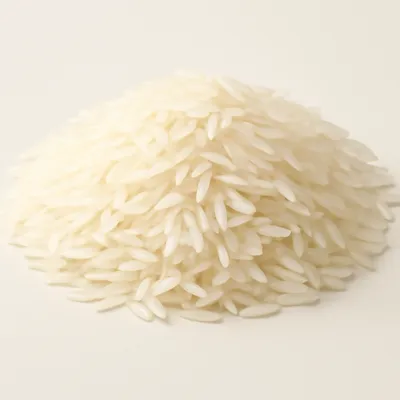
Rinse the rice and drain; wash the green bok choy, dry it, and chop it small, keeping stems and leaves.
- 24 min
Dice the cured pork small; if it is very salty, blanch it briefly first.
- 36 min
Render the cured pork in a little lard until its fat runs and the edges firm, then add the chopped greens and stir-fry just until they wilt and turn glossy.
Watch outRender the pork until its fat runs and coats the pan before the greens go in — that seasoned fat is what carries flavour through every grain.
- 42 min
Add the drained raw rice and toss so every grain is coated in the pork fat and lard.
Watch outToss the raw rice until every grain glistens with the pork fat — dry, unevenly coated grains cook up bland instead of seasoned through.
- 518 min
Transfer to a clay pot or rice cooker, add water to the usual rice level (a touch less, since the greens release moisture), and cook until the water is absorbed.
- 610 min
Let it steam, covered and off the heat, for about 10 minutes so the rice finishes and a thin crust forms at the bottom.
Watch outSteam off the heat a full ten minutes so a thin crust forms at the bottom — lift the lid early and the grains stay wet and the crust never sets.
- 72 min
Fluff, fold the rice and greens together, and adjust salt; serve hot in bowls.


