
A Hakka staple from Meizhou in eastern Guangdong, these are short, stubby rice noodles tapered at both ends — the name 老鼠粄 (literally 'rat noodles') refers only to that shape, which looks like a little rat's tail; there is no rat in the dish and never has been. A batter of rice flour and tapioca starch is pushed through a perforated board so droplets fall into boiling water and set into stubby tails, then chilled in cold water. They are eaten in a clear pork broth with minced pork, scallion and pickled greens (汤老鼠粄), or stir-fried with bean sprouts and dried shrimp (炒老鼠粄). The same noodle is called 米筛目 in Taiwan and 银针粉 in Hong Kong.


Rat-tail noodles are a classic Hakka snack from Meizhou in eastern Guangdong, most famously from Dapu County (大埔). The Hakka call rice-flour foods 粄, and the noodles are named purely for their shape: each piece is short and round with a tapered point at both ends, resembling a rat's tail. The name has no connection to rats and the dish contains no rat — a point local sources stress because the name sounds off-putting. As Hakka families and traders carried the food outward, the same noodle picked up new names: in Taiwan it is 米筛目 (米苔目), said to come from pressing the dough through a sieve-like board so it emerges through the 'eyes' (目) of the holes; in Hong Kong, where '老鼠' was thought unseemly, it was renamed 银针粉 ('silver-needle noodles') for its pointed ends; it is also called 珍珠粄. No firm date of invention is recorded; it is documented simply as a long-standing Hakka staple of the Meizhou–Dapu area.
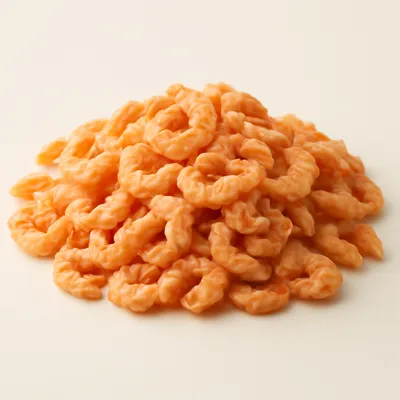
Each noodle is short and round — an inch or two long — and pinched to a point at both ends, so the shape catches the eye before the taste does. The texture is the whole appeal: slippery, springy, and clean-tasting, with a soft chew that the tapioca starch makes faintly bouncy and translucent. In the soup version the noodles are tender and slick, the broth clear and savory with minced pork and pickled greens. Stir-fried, they take on wok char and a glossy coat of soy, bean sprouts adding crunch against the soft tails.
The texture is set by the starch blend and by gelatinization in boiling water. Rice flour gives body and rice flavor but on its own turns hard and crumbly; tapioca starch — rich in amylopectin (the branched starch) — is added at roughly one part to two parts rice flour to make the cooked noodle translucent, springy and resistant to breaking. The dough is mixed with hot water to pre-gelatinize it, then pushed through a perforated board: as the rope of paste extrudes through each hole it breaks into droplets that fall into rolling water, cooking instantly and rounding into the tapered tail shape. They are done the moment they float. A plunge into cold water (过冷水) firms the surface gel and tightens the bite so the noodles stay separate and springy rather than mushy. From there they go into clear broth or onto a hot wok.
Variations
The two standard forms are 汤老鼠粄 (in soup) and 炒老鼠粄 (stir-fried). The soup bowl is finished plainly — a few spoons of sesame oil, scallion, and pickled mustard, radish or sour vegetable, in a clear pork or pork-bone broth with minced pork on top. The stir-fry is tossed over high heat with bean sprouts, dried shrimp, scallion or garlic chives and a little soy for wok aroma. The starch ratio varies by cook (more tapioca for a bouncier, more translucent noodle). The same noodle appears across the Chinese-speaking world under other names — 米筛目/米苔目 in Taiwan, 米台目 in Malaysia, 银针粉 in Hong Kong — eaten in soups, stir-fries and even sweet iced versions.
On the Palate
Where Hakka Rat-Tail Noodles sits in the Chinese flavor cloud
Ingredients
Serves 4


How it's made
7 steps · 30 min
- 110 min
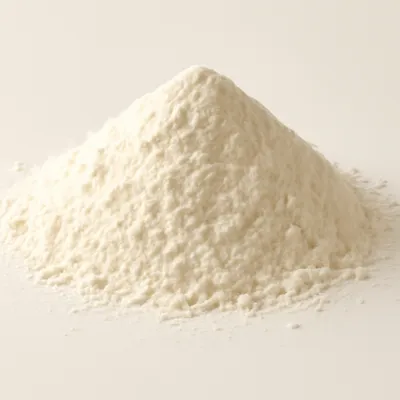
Mix the rice flour and tapioca starch in a bowl. Stir in just-boiled water a little at a time and knead into a smooth, firm dough; the hot water pre-gelatinizes the starch so the dough holds together.
Watch outKnead the dough with just-boiled water so the starch pre-gelatinizes — mix it with cool water and the dough crumbles and the noodles fall apart in the pot.
- 28 min
Bring a large pot of water to a rolling boil. Optionally pinch off a small piece of dough, boil it until it floats, then knead it back into the main dough to help bind it.
- 36 min
Set a perforated board or rice-noodle press over the boiling pot. Press the dough through the holes so ropes of paste break into droplets that fall straight into the water.
- 43 min
Let the noodles cook undisturbed; they are done the moment they float to the surface, rounded into short tapered tails.
Watch outThe noodles are done the instant they float — leave them longer and the tender tapioca noodle overcooks to mush.
- 53 min
Lift the noodles out and plunge them into cold water to firm the surface and keep them springy and separate; drain.
Watch outPlunge them straight into cold water off the boil — the shock firms the surface and keeps them springy and separate instead of clumping.
- 68 min
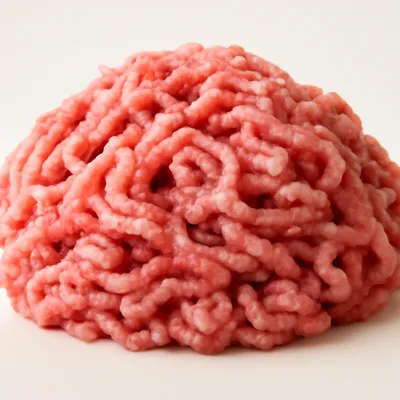
For soup: heat a clear pork broth, season, add the noodles to warm through, and top with minced pork, scallion, sesame oil and pickled greens.
- 78 min
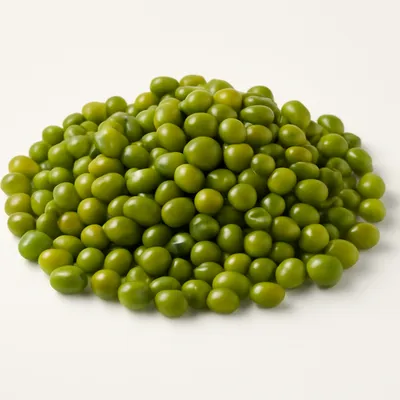
For stir-fry: heat a wok until smoking, stir-fry dried shrimp and garlic, add bean sprouts and the noodles, season with light soy sauce, and toss over high heat until glossy and fragrant.


