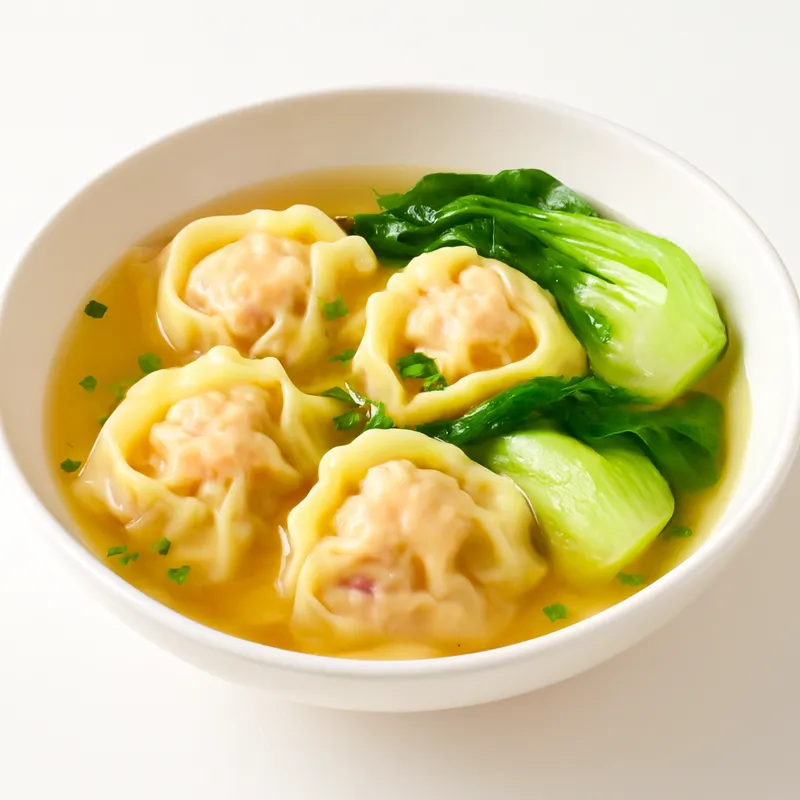
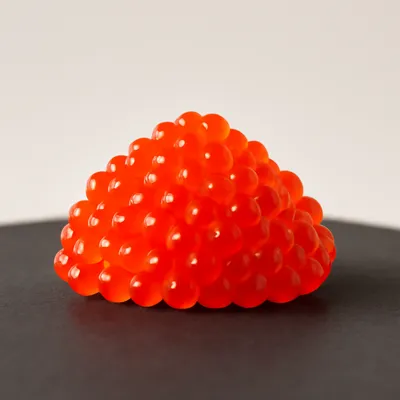
Open-top dumplings with a yellow wheat-flour skin, filled with a coarsely textured pork-and-shrimp mixture, and finished with a small dot of orange tobiko or crab roe at the centre. The wrapper is gathered at the waist but left open at the top, showing the filling. Steamed in bamboo baskets and served three to four per portion.
Cantonese-style siu mai developed in the teahouses of Guangdong province as a standard piece of dim sum. It is distinct from the Mongolian or Inner Chinese antecedent forms, which used lamb; the Cantonese version settled on pork and shrimp.
A bamboo steamer: three or four open-topped dumplings per order. The wrapper is gathered at the waist and left open at the crown, showing a coarsely textured pork-and-shrimp fill. A pinch of orange tobiko or coral crab roe sits at the centre. Biting through: the yellow wrapper is slightly chewy, the filling is coarse and bouncy from the shrimp, the pork fat gives a short finish. Dim sum soy sauce from the table.
Siu mai uses a wheat-flour wrapper (not the wheat-starch wrapper of har gow), which retains some gluten — giving the wrapper a slight chew that contrasts with the soft filling. The filling is deliberately kept coarse: whole shrimp pieces (not minced) are folded in after the pork base is mixed, so the shrimp textures survive steaming. Fat content matters: the pork mixture should be at least 25–30% fat (typically from pork neck or shoulder) to keep the fill moist after 7–8 minutes of steam. The tobiko is added after steaming — placed while the surface is hot enough to adhere but the roe does not cook through, preserving the pop.
Variations
Northern Chinese siu mai (烧卖) uses a thinner pleated wrapper and often contains glutinous rice; Cantonese siu mai is the dim sum standard. Upscale versions substitute lobster or crab for tobiko. Some shops use a ring of shredded carrot at the crown instead of roe.
On the Palate
Where Siu Mai sits in the Chinese flavor cloud
Ingredients
Serves 4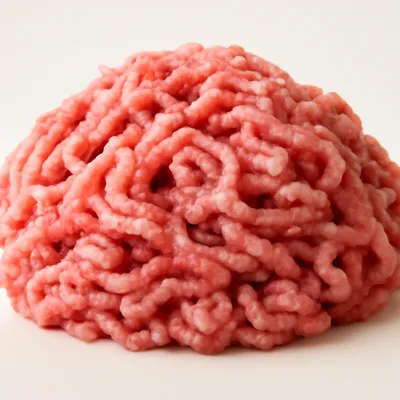

How it's made
7 steps · 45 min
- 15 min
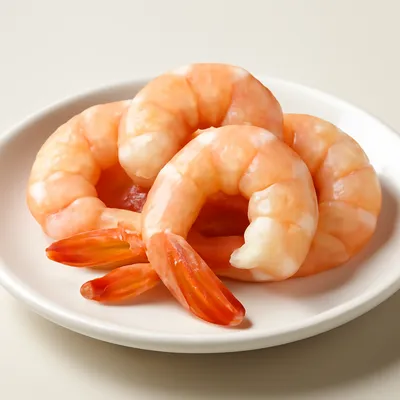
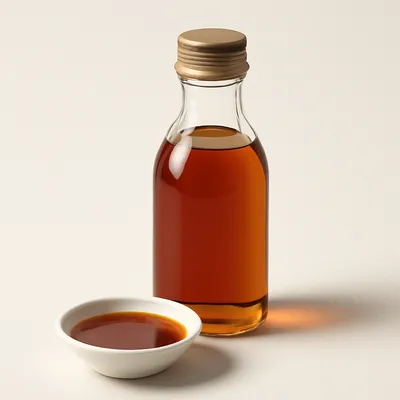
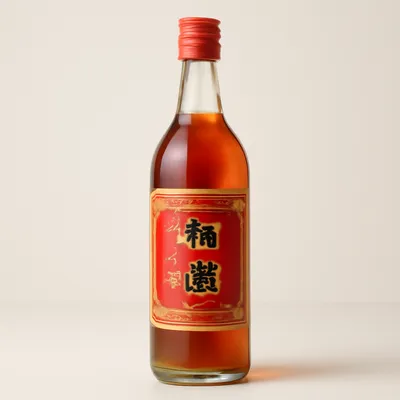
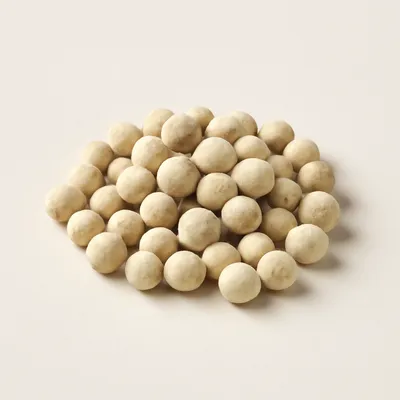
Chop half the shrimp into a rough paste; combine with the other half cut into small pieces, ground pork, light soy sauce, sesame oil, Shaoxing wine, white pepper, and cornstarch.
- 24 min
Stir the filling vigorously in one direction for 3–4 minutes until it becomes sticky and pulls away from the bowl walls in a single mass.
Watch outUndermixing means the filling crumbles when bitten instead of snapping — the filling must be sticky enough to hold a soft ball shape on a spoon.
- 34 min
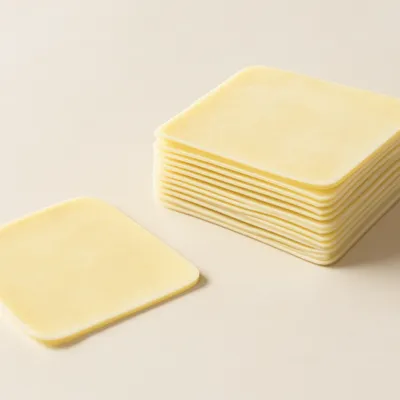
If using square wonton wrappers, trim the corners into a rough circle about 8cm across.
- 415 min
Drape a wrapper over your index finger and thumb formed into an O; place a heaped tablespoon of filling in the centre and press down to seat it, letting the wrapper gather naturally at the waist.
Watch outPressing the filling too forcefully makes the wrapper tear at the waist gather — apply steady light pressure from above to seat the filling without rupturing.
- 55 min
Press the gathered waist firmly between thumb and finger to tighten; flatten the base by tapping the siu mai on the counter so it stands upright.
- 63 min
Place a small pinch of tobiko at the centre of each open top.
- 710 min
Place in an oiled bamboo steamer with 1cm gaps; steam over vigorous boiling water for 8 minutes.
Watch outInsufficient steam — from a barely simmering base — produces an uneven half-cooked filling and a damp, limp wrapper. Keep the water at a full boil throughout.
Archive tool suggestions — not reviewed
These legacy suggestions have not been evidence-reviewed and are not presented as required tools.