Zhuang minority sticky rice steamed in five colors — black, red, yellow, purple, white — each dyed with a different plant for the March 3rd festival.




A Zhuang ethnic dish from Guangxi, eaten on Sanyuesan (the third day of the third lunar month) — the Zhuang's most important festival, marking ancestor veneration and spring planting. Each color comes from a specific plant: maple-leaf herb for black, hong lan cao (a Strobilanthes species) for red and purple, mi mi flower (密蒙花) or turmeric for yellow. The five colors map onto the Zhuang cosmology of seasons and directions; you'll see this dish from rural villages to the Nanning city center every March.
A Zhuang ethnic dish eaten on Sanyuesan (third day of the third lunar month). Each grain is dyed through, not surface-tinted — maple-leaf herb for black, hong lan cao for red and purple, mi mi flower for yellow.
Five distinct mounds, each grain stained through to the core — not just surface-tinted. Black is the smokiest, with a faint maple-leaf herbal edge; red and purple taste similar but the purple is rounder, less sharp; yellow carries a subtle floral note; white grounds the rest. Texture is firm-chewy, not soft like a steamed rice bowl. Eat by hand with toasted sesame; if served alongside fermented pork, the sourness wakes up every color separately.
The dye plants aren't just colorants — each contains compounds that subtly change the rice. Maple-leaf herb has tannins that firm the grain and add the smoky note. Red and purple both come from hong lan cao, but the difference is the leaf form, not pH: longer, darker leaves yield a concentrated dye that turns the rice purple, while rounder, lighter leaves give a dilute dye that turns it bright red. Yellow from mi mi flower carries flavonoids the Zhuang associate with eye health. Steaming, not boiling, preserves the pigments; boiling leaches them straight back into the water.
Variations
Nanning urban version uses turmeric for yellow; rural Wuming presses mi mi flower the old way; Tianyang Zhuang households are noted for dyeing an especially deep purple (selected via leaf shape/concentration); adding plant ash actually turns hong lan cao blue, yielding a separate color rather than a deeper purple.
On the Palate
Where Five-Color Sticky Rice sits in the Chinese flavor cloud
Ingredients
Serves 6How it's made
6 steps · 1 hour active + 11 hours waiting
- 15 min
Soak 100g of glutinous rice for each of five portions in cold water overnight. Drain.
- 225 min
Make four dye baths separately. Black: simmer 80g maple-leaf herb (枫叶) leaves in 500ml water for 20 minutes, mash, strain. Cool to room temp.
Watch outSimmer the maple-leaf herb until the water runs deep near-black, then cool it fully — pour warm dye on the rice and the color sets patchy.
- 330 min
Yellow: steep 50g dried mi mi flower (密蒙花, huangfan flower) or 1 tbsp turmeric in 300ml hot water for 15 minutes, strain. Red: simmer 60g hong lan cao (红蓝草) stems in 500ml water for 25 minutes until deep red, strain. Purple: simmer the same hong lan cao with a pinch of plant ash for an alkaline shift to purple.
- 4480 min
Soak one portion of rice in each dye bath for 6-8 hours. Leave the fifth portion in plain water for white. The colors penetrate slowly without staining cookware.
Watch outSoak the full 6-8 hours so the color penetrates the grain, not just the surface — a short soak washes pale the moment it steams.
- 530 min
Drain each portion. Steam separately on bamboo or in a cloth-lined steamer over rolling water for 30 minutes. Steam — never boil — or the colors fade and the grains turn mushy.
Watch outSteam over rolling water, never boil — steam sets the colors bright and the grains springy; boiling leaches the color straight out and turns the rice to mush.
- 65 min
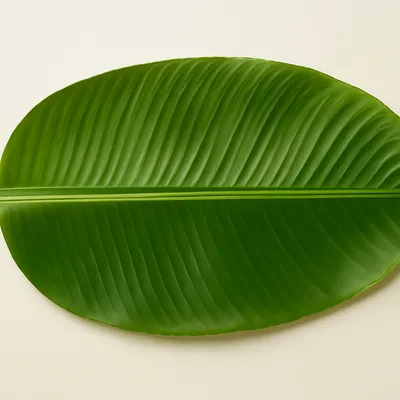
Mound the five colors side by side on a banana leaf or wooden tray, each portion distinct. Serve warm with toasted sesame, sugar, or a small dish of fermented pork (酸肉).
Archive tool suggestions — not reviewed
These legacy suggestions have not been evidence-reviewed and are not presented as required tools.