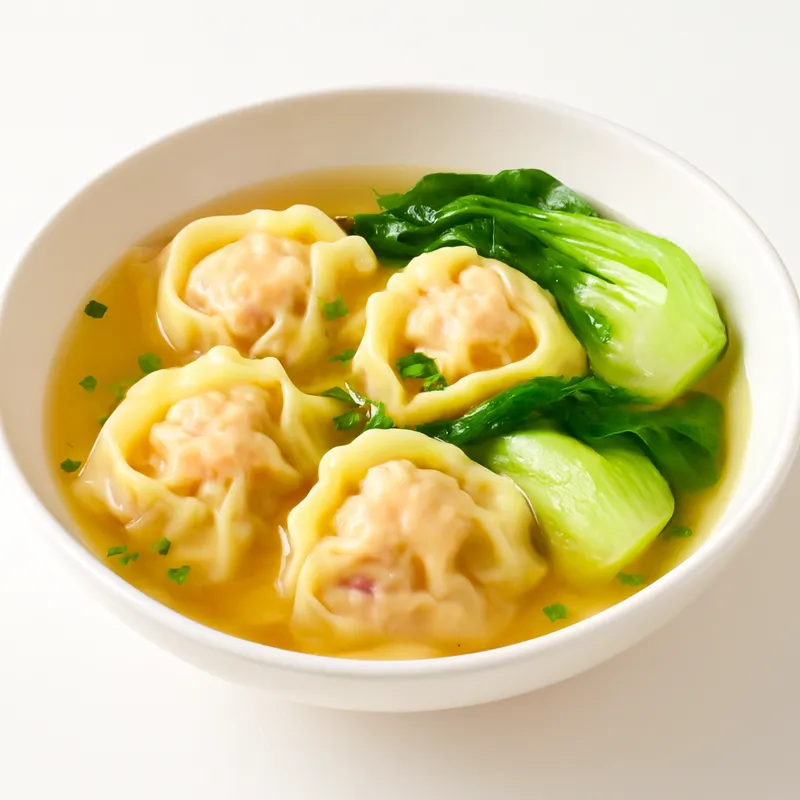
A small bowl — four or five plump wontons plus a tangle of thin springy egg noodles in a clear broth built from pork bones, dried shrimp, and dried flounder. Each wonton holds a shrimp-and-pork filling wrapped in a thin yellow skin. The noodles are the texture test: they should snap back when bitten, never soft.
Cantonese wonton noodle shops trace to Guangzhou, arriving in Hong Kong with Cantonese migrants in the early 20th century. The Hong Kong version standardized around a specific broth formula — pork bones plus 大地鱼 (dried flounder) — and the jook-sing noodle, traditionally made by pressing bamboo pole against the dough.
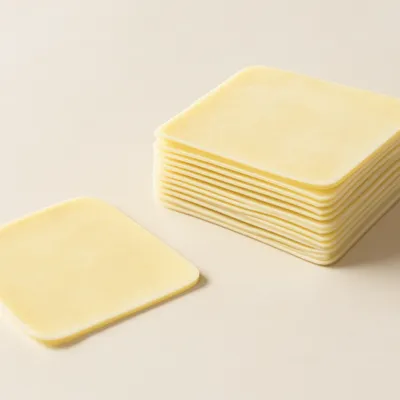
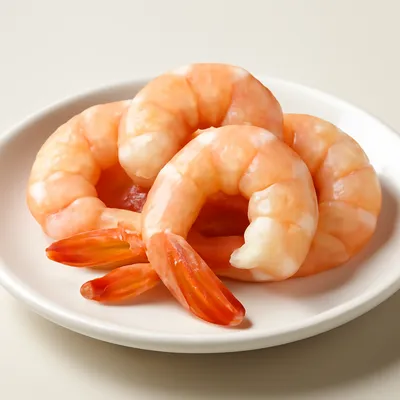
A small bowl: four or five wontons with thin yellow skins, a tight knot of springy egg noodles, clear amber broth filling the bowl to the noodle line. The wonton skin is about 0.4mm at the centre, thicker at the gathered edges — it should offer no resistance when bitten. Inside, a whole shrimp with some minced pork around it, seasoned simply. The noodles are the diagnostic: they should snap back under the bite, never go soft even sitting in hot broth.
The broth is built from pork bones plus dried flounder (大地魚, daai dei yü) — the flounder contributes inosinate (IMP), a nucleotide that synergizes with the glutamate in the pork bones to amplify umami by a factor of 7–8×. The noodles are jook-sing (竹升麵, jūk sing mihn) — traditionally made by a cook straddling a bamboo pole (竹升) and bouncing to press the dough, which works the dough evenly and develops the gluten fully, creating the characteristic spring. The wonton skin is different from the noodle dough: it contains more egg and less water, giving translucency and the silky-slip texture.
Variations
Mak's Noodle (麦奀记) in Central is the most cited benchmark: smaller portion, firmer noodle, broth served separately by some accounts. Ho Hung Kee (何洪记) is another standard reference. Some shops add shrimp roe (虾子) to the noodle, staining it orange and adding a briny note.
On the Palate
Where Wonton Noodle Soup sits in the Chinese flavor cloud
Ingredients
Serves 4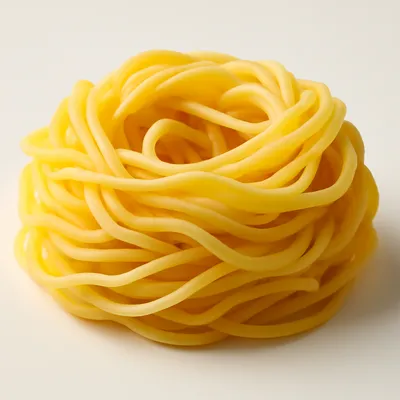
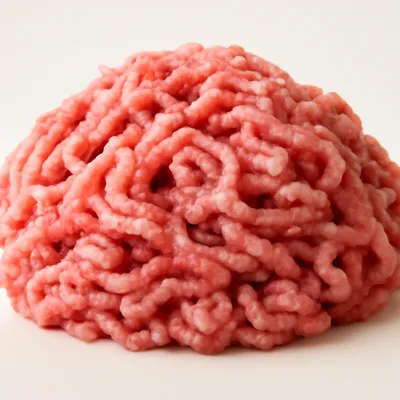
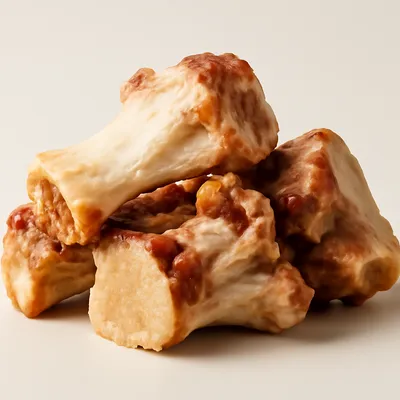
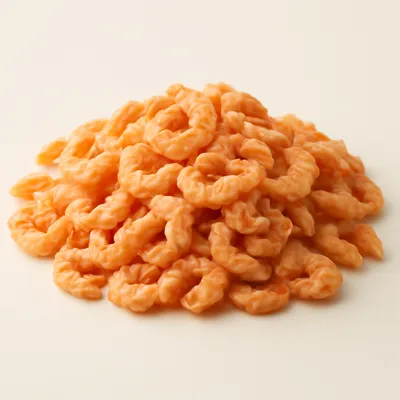


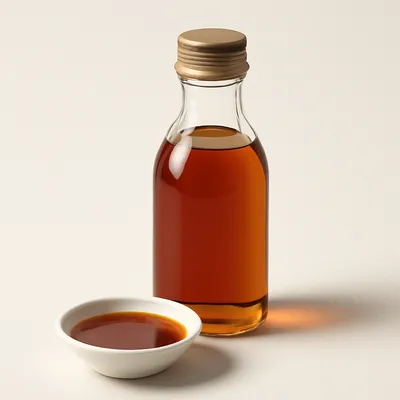
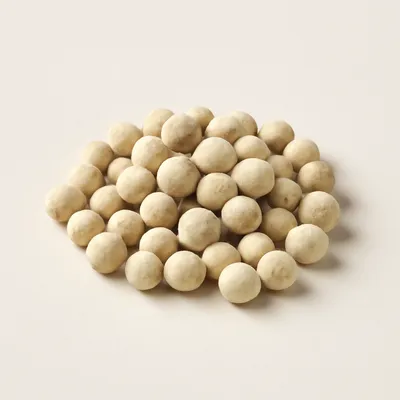


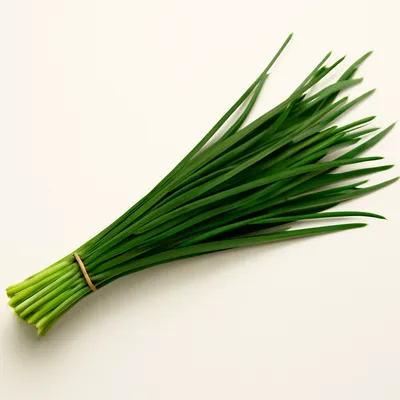



How it's made
6 steps · 2 hours
- 15 min
Toast the dried shrimp and dried flounder (大地鱼) in a dry pan over medium heat for 2 minutes until fragrant; blanch the pork bones in boiling water and rinse.
Watch outThe flounder and dried shrimp are ready the moment they smell toasty and nutty — don't let them scorch.
- 250 min
Combine the cleaned pork bones, dried shrimp, dried flounder, and 1.5L water; bring to a boil, reduce to a simmer, and cook uncovered for 45 minutes; strain and season with salt.
Watch outThe dried flounder carries the broth's characteristic HK umami — do not skip toasting it first, and do not let the broth boil hard or the flavour turns fishy.
- 38 min
Roughly chop half the shrimp into a chunky paste; mix with ground pork, light soy sauce, sesame oil, white pepper, and the remaining shrimp pieces; stir in one direction until the filling becomes slightly sticky.
Watch outStir the filling one direction until it turns tacky and clings to the bowl — that's the bounce set.
- 420 min
Place a heaped teaspoon of filling in the centre of a wonton skin; fold into a triangle, press out air, then fold the two bottom corners together and overlap slightly, pressing to seal.
Watch outTrapped air pockets expand in boiling water and burst the wonton open — press firmly around the filling to expel all air before sealing.
- 57 min
Cook the egg noodles in boiling water for 2 minutes; drain and rinse; blanch the wontons in a separate pot of gently simmering water for 4 minutes until the wrappers turn translucent.
Watch outThe wontons are done the instant the wrappers turn translucent and float up — pull them out then.
- 62 min
Divide noodles into bowls, ladle the hot broth over, and place 4–5 wontons on top; serve immediately.