
Live Beibu Gulf oysters topped with garlic, scallion, and chili oil, briefly grilled or steamed — Beihai night-market street food.




Beihai City on the Beibu Gulf coast of Guangxi is part of the Beibu Gulf, the core farming region for China's 'large oyster' (Crassostrea ariakensis); Guangxi supplies over 70% of the country's oyster spat; the gulf's salinity around 28-32 ppt and warm subtropical water grow thick-shelled oysters year-round. The garlic-and-chili grilled preparation is street-cart standard at Beihai's Waisha and Yintan night markets, where vendors line up oysters on iron grates over coals. The 'gold-and-silver garlic' technique came up the coast from Cantonese practice but Beihai added the chili and lighter cooking time.
Beibu Gulf salinity sits at 28-32 ppt, growing thick-shelled oysters year-round. The 'gold-and-silver garlic' technique splits raw and fried garlic — half-cooked is sweet, half-raw is sharp, both needed.
You lift the shell to your mouth and tilt — first the hot garlic-chili oil, then the cool plump oyster slides in, then the briny shell liquor mixed with cooked garlic juice. The oyster is barely warm in the middle, just set at the edges. Crunch of the half-raw garlic is what you remember. If the oyster has shrunk to a small grey blob, it overcooked — the timing window is 3-4 minutes, no more.
Half-raw garlic is the technical key: 150°C oil cooks the immersed half into a sweet caramel base note while the layer above stays sharp and pungent. Both notes are needed — pure raw garlic is too aggressive, pure cooked garlic too flat. Cooking the oyster only until the edge curls keeps glycogen high (sweet) and avoids contracting the muscle past the point where it goes rubbery; 5+ minutes and the texture collapses irreversibly.
Variations
Waisha and Yintan night-market grates are the Beihai street form; Zhanjiang next door runs cleaner with no chili; Shenzhen's grilled-oyster shops add cheese; Korean 굴구이 skips garlic and serves with chogochujang.
On the Palate
Where Beihai Oysters sits in the Chinese flavor cloud
Ingredients
Serves 4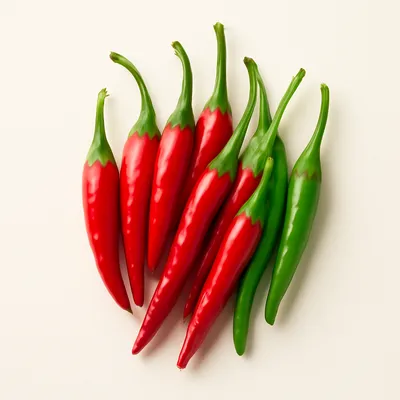

How it's made
5 steps · 15 min active + 5 min waiting
- 110 min
Scrub 12 large live oysters under cold running water with a stiff brush. Use an oyster knife to pry each one open at the hinge; keep the deep cup-side down to retain liquor. Run the blade under to free the meat but leave it sitting in the shell.
- 24 min
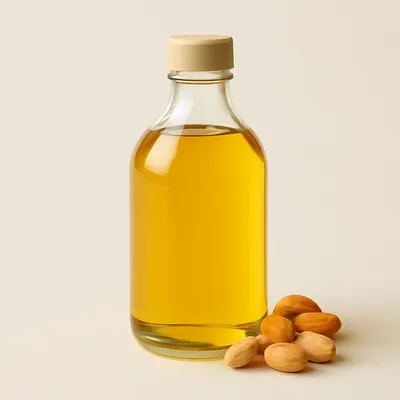
Mince 2 whole heads of garlic finely. Heat 60ml peanut oil in a small pan to 150°C, pour over the garlic in a heatproof bowl — half the garlic should pale, half stay raw. This 'gold-and-silver garlic' (金银蒜) is the load-bearing topping.
Watch outPour 150°C oil over the minced garlic so half turns pale gold and half stays raw-white — that gold-and-silver mix is the whole flavour; all-cooked tastes flat, all-raw bites too hard.
- 32 min
Stir 1 tsp light soy, 1/2 tsp oyster sauce, a pinch of sugar, 1 finely chopped bird's-eye chile, and 2 tbsp finely sliced scallion green into the garlic oil.
- 42 min
Spoon a generous teaspoon of the garlic mixture onto each oyster. The oyster should still be sitting in its own juice.
- 54 min
Set oysters on a hot grill (or under a 240°C broiler) for 3-4 minutes — until the garlic is sizzling and just starting to color, the oyster edge curls, but the body still looks plump and glassy. Pull immediately. Eat hot, slurp the shell.
Watch outPull the oysters the instant the edge just curls and the garlic sizzles gold — the body should still look plump and glassy; another minute or two and the meat shrinks rubbery for good.


