A Hainan banquet centerpiece: sun-dried fish maw rehydrated overnight and hong-shao braised with oyster sauce and soy until translucent and trembling—each slice a quivering, collagen-rich pillow that holds the mahogany braising liquor within its sponge-like walls.





Fish maw—the dried swim bladder of large marine fish—has been prized in Chinese banquet cuisine for centuries, ranked alongside abalone, sea cucumber, and shark fin as the classical quartet of sea delicacies known as bao-can-chi-du. Hainan's location in the South China Sea gave fishermen direct access to large-bodied species such as red snapper and drum fish, whose thick swim bladders were sun-dried and traded through coastal markets. The Hainan-style preparation developed under the influence of Cantonese and Fujianese-heritage chefs who settled on the island, adapting the hong-shao braising technique to South China Sea fish maw varieties. In 2012, 琼式烧鱼肚 was officially named one of Hainan Province's Ten Famous Dishes.
A yielding, trembling slice that offers almost no resistance: the exterior is glazed a deep mahogany, the interior a sponge of collagen gel that slowly collapses and releases the savory braising sauce; a subtly marine depth lingers long after swallowing.
Dried fish maw is nearly pure type-I collagen, comprising 80–90% of its dry protein weight. During overnight rehydration and subsequent braising above 65°C, the collagen triple helix unfolds irreversibly into gelatin. The sponge-like microstructure of the rehydrated maw traps braising liquid within its pores; as the dish rests, the liquor semi-solidifies inside, creating a self-contained sauce core. Maillard products from soy sauce and oyster sauce—melanoidins and furan compounds—caramelize onto the maw's surface at braising temperature, building the characteristic mahogany glaze.
Variations
A steamed egg-white version presents the maw cloud-white and silky; high-end banquet versions braise fish maw alongside abalone or sea cucumber in the same liquor; a crab roe sauce makes a festive finishing glaze.
On the Palate
Where Hainan-style Braised Fish Maw sits in the Chinese flavor cloud
Ingredients
Serves 6

How it's made
7 steps · 30 min
- 11440 min
Soak dried fish maw in cold water for 24 hours, changing water twice; drain and gently squeeze out excess water. (This step is done the day before.)
- 25 min
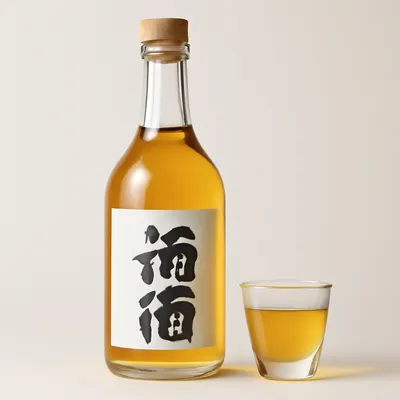
Blanch soaked fish maw in boiling water with ginger slices and rice wine for 5 minutes to remove fishiness; rinse under cold water and drain.
Watch outBlanch the soaked maw with ginger and wine to kill the fishiness — skip it and that raw sea-smell carries straight into the braise.
- 35 min
Heat oil in a wok; fry ginger, garlic, and scallion whites over medium heat until golden and fragrant.
- 45 min
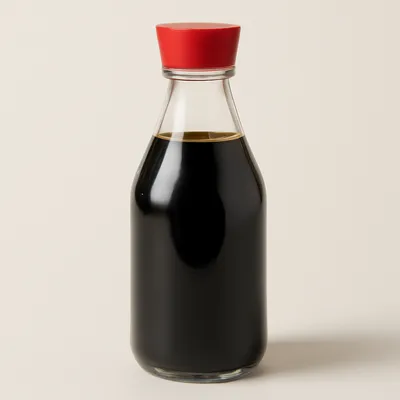
Add fish maw pieces; gently stir to coat; pour in chicken broth to barely cover; add oyster sauce, light soy sauce, dark soy sauce, and sugar.
- 555 min
Braise over medium-low heat, covered, for 45–60 minutes, turning gently twice, until the maw is translucent and the sauce has reduced by half.
Watch outBraise gently and turn only twice — the maw should go translucent and the sauce reduce by half; stir it hard and the soft maw breaks up.
- 63 min
Taste and adjust seasoning; if needed, stir in a cornstarch slurry to thicken the glaze to a coating consistency.
- 72 min
Transfer to a serving platter; pour remaining braising liquor over the top; garnish with scallion greens.
Archive tool suggestions — not reviewed
These legacy suggestions have not been evidence-reviewed and are not presented as required tools.