Imperial-Edict Bone-Crisp Fish is a slow-stewed fish dish from the Zhao County and Yongnian area of Hebei, the heartland of central-southern Ji cuisine. Whole small crucian carp are layered into a sealed clay pot over a bed of scallion, ginger, and napa-cabbage stalks, then stewed for the better part of a day in vinegar, soy, sugar, and warm spices on the lowest flame. The long, gentle braise turns even the fishbones soft enough to eat, so the whole fish goes down bones and all. The flavor is salty-savory, faintly sweet, and lightly sour, and the fish keeps its shape until it collapses tenderly under chopsticks. It is eaten both warm as a banquet centerpiece and cool as a dish to go with wine.
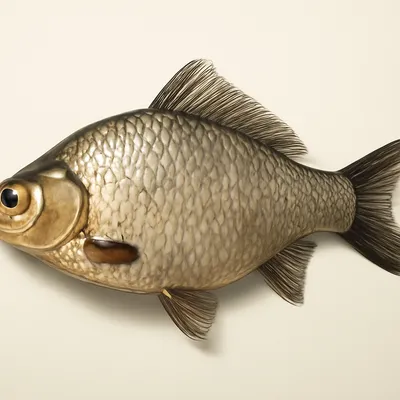





The dish belongs to the broad sju (crisp-fish) tradition of Hebei, with two well-documented homes: Zhao County (old Zhaozhou) near Shijiazhuang, and the Guangfu old town of Yongnian in Handan, both river-and-lake country long known for small freshwater fish. The grand name comes from a legend, told as such: Song founder Zhao Kuangyin is said to have tasted the fish, been delighted, and issued an imperial edict (sheng-zhi) praising it, after which it was honored as Imperial-Edict Bone-Crisp Fish. The tale is folklore and largely brand lore promoted by a registered trademark of the same name; the same promotional copy adds claims of a Wei-Jin palace origin and twentieth-century banquet fame that no independent record confirms, and Zhao Kuangyin was himself from Zhuozhou rather than Zhao County. What is solid is the technique: a documented Hebei specialty in which whole small fish are stewed for many hours with vinegar in a sealed clay pot until the bones soften.
You pick up a whole fish that still looks intact, and it gives way with almost no resistance: the flesh is meltingly soft and the spine and rib bones have gone tender enough to chew and swallow, with none of the usual picking-out of fishbones. The taste is deep brown-savory from soy and long stewing, rounded with sugar, and cut by a clean thread of vinegar that keeps it from feeling heavy. Cool from the pot, it firms into a faintly jellied, wine-friendly bite; warm, it is softer and more fragrant with star anise and ginger.
Fishbone is mostly calcium phosphate set in a collagen scaffold. Two things work on it at once over the long, low braise. First, heat held for many hours just below a simmer steadily hydrolyzes the bone collagen into soft gelatin, which is what lets the spine give way. Second, the acetic acid from a generous dose of vinegar slowly attacks the bone mineral in direct contact, demineralizing the thin fishbones until they are soft enough to chew; this is why the old rule is to be liberal with vinegar, since too little never brings the bones to crispness. A sealed clay pot is central: its thick walls hold a stable, gentle heat and the lid traps moisture, so the fish stews for eight to twelve hours without boiling dry or breaking up. The bed of scallion, ginger, and cabbage stalks (or a bamboo lattice) keeps the bottom layer off the hot base so it neither scorches nor sticks, while soy, sugar, and the five-spice mix build the savory-sweet braise around the dissolving bone.
Variations
Crucian carp is the classic fish for its size and sweetness, but small carp, grass carp, or other little freshwater fish are all used. Cooks differ on whether to fry the fish first to firm the skin before stewing, or to stew it raw for the silkiest flesh. Some line the pot with pork bones or a sheet of kelp to add body to the braise; others tuck in white radish or more cabbage. The Yongnian Guangfu style is famous for stewing the fish through many changes of water over a very long time, while household versions shorten the work in a pressure cooker. Sweetness, sourness, and chili heat are all dialed regionally, from a gentle five-spice profile to a spicier, more vinegared pot.
On the Palate
Where Imperial-Edict Bone-Crisp Fish sits in the Chinese flavor cloud
Ingredients
Serves 5
How it's made
9 steps · 40 min
- 125 min
Scale, gut, and gill small crucian carp, then rinse and pat thoroughly dry.
- 220 min
Optionally fry the fish in hot oil until golden and firm on both sides, then drain; or skip frying for softer flesh.
- 38 min
Lay a bamboo lattice or a bed of scallion segments, ginger slices, and napa-cabbage stalks across the bottom of a clay pot.
- 412 min
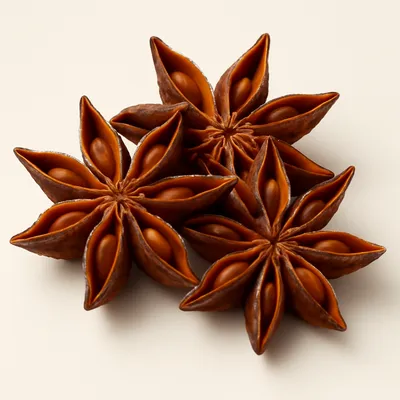
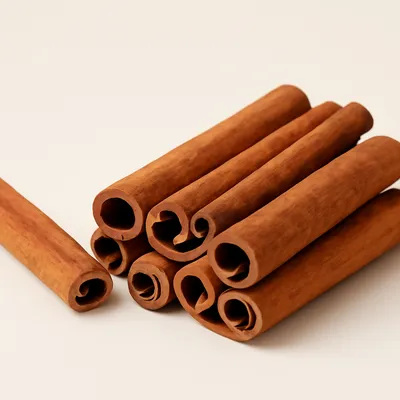
Pack the fish in tightly in even layers over the aromatics, tucking in garlic, star anise, cinnamon, and Sichuan peppercorn.
- 58 min
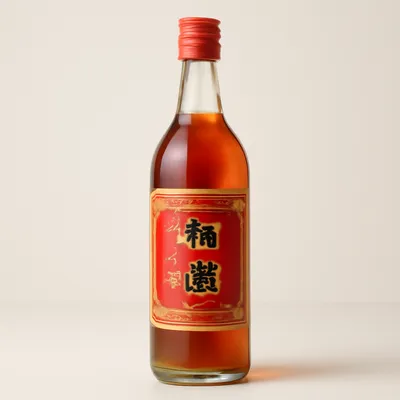
Pour in vinegar, soy sauce, Shaoxing wine, and dissolved sugar, then add water just to cover the fish.
Watch outBe heavy-handed with the vinegar — its acid is what slowly eats the fishbone soft over the long braise, and too little means the bones never go crisp.
- 610 min
Bring to a boil over high heat, then drop to the lowest possible flame and cover the pot tightly.
- 7600 min
Stew gently for eight to twelve hours, topping up with hot water only if needed, until the bones are soft throughout.
Watch outOnce it boils, bring it down to the very lowest flame with the lid tight and hold it eight to twelve hours — steady near-simmer heat is what melts the bone collagen; too high just boils it dry.
- 860 min
Turn off the heat and let the pot rest, sealed, so the fish sets and the flavors settle.
- 95 min
Lift the whole fish out carefully and serve warm, or chill and serve cool as a wine dish.
Archive tool suggestions — not reviewed
These legacy suggestions have not been evidence-reviewed and are not presented as required tools.

