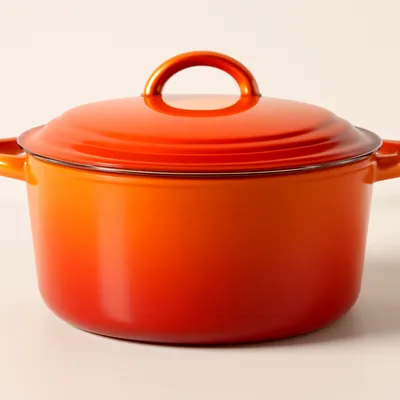
Qingdao's beloved everyday meal: meaty spare ribs braised low and slow in a sandpot with a soy-spiced stock until the meat trembles off the bone, then ladled over steamed rice with a broth so clean it doubles as soup.




Qingdao pork rib rice traces to the 1940s on Zhongshan Road in central Qingdao. Founder Wang Zhixu of the Wanhe Chun restaurant (万和春) drew on Northeast Chinese spiced-bone (酱骨头) braising techniques and adapted them with Shandong flavors, producing a broth 'clean enough to drink' alongside the ribs. His son Wang Tao later expanded the ancestral four-step method — 泖 (blanch), 煮 (boil), 炖 (braise), 焖 (rest-steam) — into a seven-step process by adding 压 (pressure), 撇 (skim), and 洘 (reduce), systematically removing blood, collagen, fat, and clouding agents. In 2016, the Wanhe Chun sandpot craftsmanship was listed in the 4th batch of Shandong Province Intangible Cultural Heritage items. The dish has ranked first among Qingdao's ten specialty snacks for three consecutive evaluation periods.
The rib meat falls away at a nudge from chopsticks; the spiced broth is mild, clean, and deeply savory — nothing sharp or heavy. Spooned over white rice, it seeps into every grain, turning ordinary steamed rice into something you want to finish to the very last bite.
The seven-step technique has distinct food-science logic. The 泖 (blanch) step denatures blood proteins and myoglobin so they coagulate and can be skimmed rather than clouding the broth. The 炖 (long braise) at around 90°C converts collagen to gelatin, softening connective tissue without toughening lean myosin. The 压 (pressure) step raises the boiling point above 100°C, accelerating collagen hydrolysis. The 撇 (skim) step removes floating triglycerides, preserving broth clarity. The 洘 (reduce without stirring) step concentrates glutamate, IMP, and GMP — layering umami depth while maintaining transparency by avoiding fat emulsification.
Variations
The classic is plain braised ribs over steamed white rice with small cold side dishes. Modern Wanhe Chun franchises offer 'finger-licking ribs' (吮指骨) in a sweeter tomato-honey glaze and 'vine pepper ribs' (藤椒骨) with Sichuan green peppercorn oil. Home cooks often add white radish or corn to the sandpot for extra sweetness. Some diners pour chili oil into the broth for heat.
On the Palate
Where Qingdao Braised Pork Rib Rice sits in the Chinese flavor cloud
Ingredients
Serves 2


How it's made
7 steps · 20 min
- 110 min
Rinse spare ribs; place in cold water, bring to a boil, blanch for 5 minutes to draw out blood; drain and rinse under warm water — this is the 泖 step.
Watch outBlanch from cold water and rinse until clean — this coagulates the blood so it can be skimmed instead of clouding the broth.
- 25 min
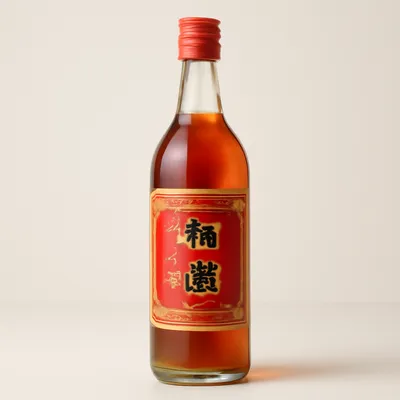
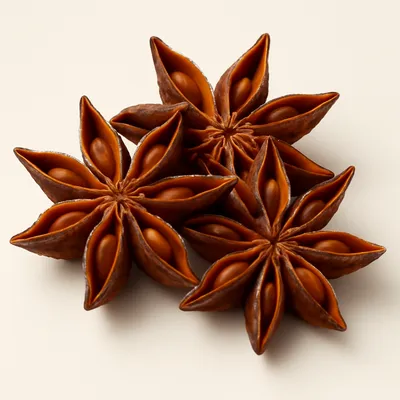
In a sandpot or heavy pot, combine ribs, water to cover, soy sauce, Shaoxing wine, ginger slices, knotted scallion, star anise, cinnamon, bay leaves, and a pinch of sugar; bring to a full boil.
- 370 min
Reduce to a very low simmer; cover and cook for 60–75 minutes until the meat begins to part from the bone at its thinnest points — the 炖 step.
Watch outSimmer on the lowest heat until the meat just begins to part from the bone — a hard boil toughens the lean before the collagen melts.
- 430 min
Turn off heat; keep the lid on and let rest for 30 minutes so residual heat continues softening the connective tissue — the 焖 step.
- 515 min
Lift ribs out; skim floating fat from the broth surface — the 撇 step; bring the remaining broth to a gentle undisturbed simmer and reduce by one-third — the 洘 step.
Watch outSkim the fat, then reduce the broth undisturbed by a third — don't stir, so it concentrates clear and glossy, not cloudy.
- 620 min
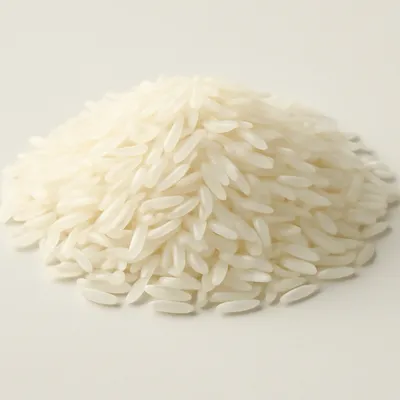
Steam jasmine rice until fluffy; place ribs over rice in a bowl.
- 75 min
Ladle the clear, concentrated broth generously over the ribs and rice; serve with small cold side dishes such as pickled cucumber or seasoned kelp.
Archive tool suggestions — not reviewed
These legacy suggestions have not been evidence-reviewed and are not presented as required tools.