A Phuket street sweet: a wafer-thin coconut crepe cooked in a little charcoal-fired wok so that its rim fries to a lace-crisp, almost meringue-like edge while the pool at the bottom stays soft and custardy. The batter is a fermented mix of rice flour, coconut milk and sugar, ladled into the hot bowl-shaped pan, swirled thin up the sides and covered to set. Lifted out and rolled into a fragile cigar, it is eaten warm — crackling at the ends, tender in the middle — and smells of toasted coconut.


A-pong belongs to the family of bowl-cooked fermented-rice crepes that runs from the Tamil and Sri Lankan appam through the Malay apam to Phuket, carried into the island's mixed Chinese-Malay-Thai street culture. The name echoes appam, and the technique is the same: a thin fermented batter cooked in a small curved pan that gives crisp lacy edges and a soft centre. On Phuket it is a long-standing charcoal-cooked street snack — the best-known stall in Old Town has been turning out the crepes for decades — and is eaten plain as a teatime or after-meal sweet rather than, as in South India, with a savoury stew.
You start at the brittle edge, which shatters like spun sugar and tastes faintly of caramel and toasted coconut, with a clean meringue snap. Working inward the crepe thickens and softens until the very centre is barely set — warm, custardy, almost runny — sweet and rich with coconut and carrying a gentle sourness from the ferment. Rolled up, one a-pong is two textures in a single bite, crackle giving way to cream. It has to be eaten hot and soon; cooled, the lace goes limp and the whole thing turns uniformly soft and loses its point.
The lace rim is a heat gradient written into a curved pan. Batter swirled thin up the hot sides is mostly water and sugar in a fine film; there it dries and the sugars caramelise fast into a brittle, almost meringue-like crisp, while the deeper pool at the base — thicker, more batter and coconut — only gels into a soft custard before it can dry out. The same crepe is therefore crisp at the edge and tender at the centre from one cooking, exactly as in appam. Fermenting the batter for hours is what builds that structure and flavour: yeast or wild ferment raises gas bubbles that open the texture and lighten the lace, and produces the faint sour tang that offsets the sugar — modern cooks use baker's yeast where toddy once did the work. A charcoal fire gives the uneven, radiant bottom heat that crisps the rim without scorching, and the lid traps steam to set the middle.
Variations
The plain coconut version is the classic; some stalls fold in a beaten egg for a richer, more custardy centre, closer to the South Indian egg appam. Pandan tints and scents a green version, and sweet toppings — a smear of kaya, a sprinkle of sugar, sweet corn — appear on the modern, less-traditional crepes. The South Indian and Sri Lankan appam is the savoury parent, eaten with stew rather than as a sweet.
On the Palate
Where A-Pong sits in the Thai flavor cloud
Ingredients
Serves 6How it's made
8 steps · 30 min active + 3 hours 30 min waiting
- 15 min
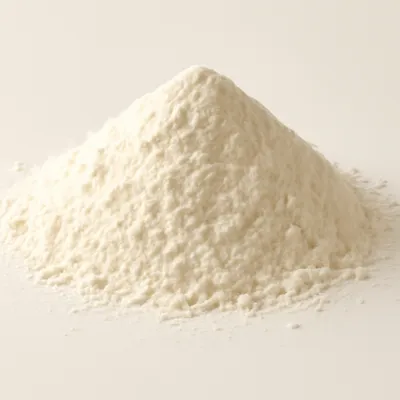
Whisk rice flour with coconut milk, sugar and a little salt into a thin, smooth batter.
- 22 min
Add yeast dissolved in a little warm water and stir it in.
- 3180 min
Cover the batter and leave it to ferment for several hours until bubbly and faintly sour.
Watch outThe batter is ready when it's puffed with bubbles and smells faintly sour — that ferment is what opens the lacy texture, so don't rush it.
- 48 min
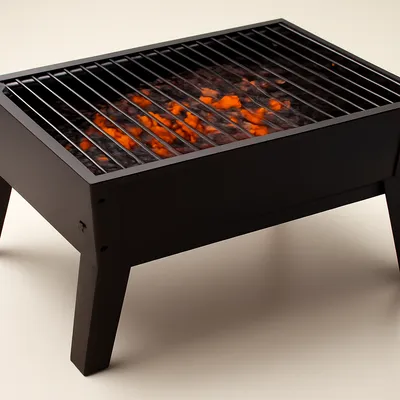
Set a small curved wok or appam pan over a charcoal fire and let it get evenly hot.
- 52 min
Ladle in batter and immediately swirl it up the sides so it films thin at the rim and pools at the base.
Watch outSwirl the batter up the hot sides the instant it hits the pan — wait even a second and it sets flat, and you lose the thin crisp rim.
- 64 min
Cover with a lid and cook until the edges are lacy and crisp and the centre is just set and soft.
Watch outPull it when the rim is lacy-crisp and the center just barely set and still soft; over-cook and the tender middle dries out.
- 72 min
Slide a thin tool under the rim, lift the crepe free, and roll it up while still warm.
- 81 min
Serve at once, while the edges still crackle.
Archive tool suggestions — not reviewed
These legacy suggestions have not been evidence-reviewed and are not presented as required tools.