
Palestinian stuffed grape leaves with rice and lamb: rolled differently from Syrian yabraq (thinner, longer, more delicate); cooked in lemon-tomato broth with a bone at the bottom of the pot. The Palestinian version uses extra lemon (more sour than Syrian) and finishes with a final glug of olive oil.





Warak enab (also called dolma or yalanji depending on context) is a Palestinian dish made for weddings, holidays, and Sunday family gatherings. The rolling is passed down the generations — grandmothers teach grandchildren the tight, even roll. The sour-leaning balance (extra lemon) is the Palestinian preference; Lebanese and Syrian versions are less acidic. For diaspora Palestinian families it carries strong cultural meaning.
Lift a warak enab — slender, tightly rolled, glistening. Bite: the grape leaf is tender and tangy, the lamb-and-rice filling spiced and moist, lemon acidity dominant, mint and parsley fresh, allspice in the background. The Palestinian extra-lemon profile sets it apart from Lebanese (sweeter) and Syrian (more pomegranate). A cool yogurt sauce on the side balances each bite.
Acid-rich broth (lemon-tomato) tenderizes grape leaves and provides tang. Tight rolling prevents unfolding during simmer. Olive oil added at the end retains its raw flavor (vs. cooked-into-broth). The bone at the bottom adds collagen depth to the broth without occupying space needed for rolls.
Variations
Vegetarian (yalanji) uses only rice + extra herbs + pine nuts. Festive version uses chestnuts in filling. Modern presentation uses tiny rolls (3 cm) for cocktail parties.
On the Palate
Where Warak Enab Palestinian sits in the Palestinian flavor cloud
Ingredients
Serves 8





How it's made
11 steps · 1 hour 15 min active + 1 hour 15 min waiting
- 112 min
Prep 50 grape leaves (fresh or jarred). Blanch fresh 30 sec, or rinse jarred.
- 216 min
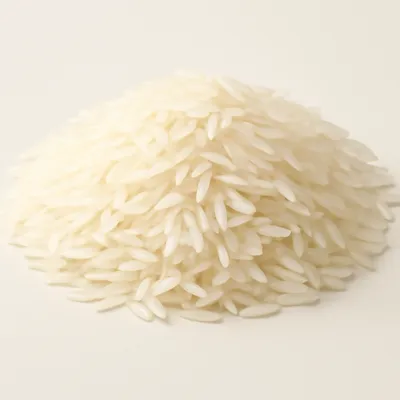
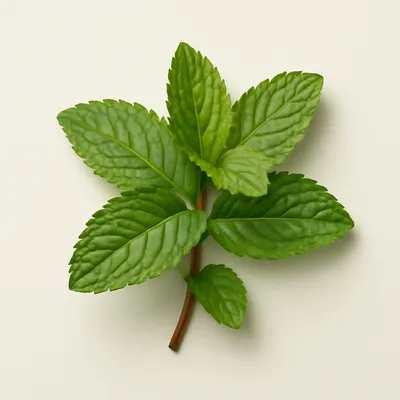
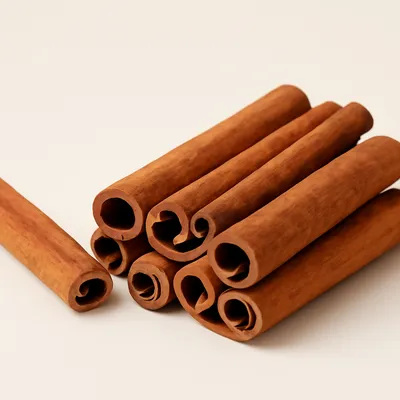
Make filling: combine 250 g short-grain rice (washed) + 300 g ground lamb + 1 chopped onion + 4 minced garlic + 4 tbsp chopped parsley + 2 tbsp chopped mint + 2 diced tomatoes + 1 tbsp tomato paste + 1 tsp salt + 1 tsp baharat + ½ tsp cinnamon + ½ tsp allspice + 1 tbsp lemon juice + 3 tbsp olive oil.
- 325 min
Roll: place a leaf vein-side up. Put 1 tbsp filling at stem end. Fold stem up. Fold sides in. Roll tight toward tip. Should be 6 cm long.
Watch outRoll each leaf tight, tucking the sides in as you go — a loose roll unravels in the simmer and spills its filling into the broth.
- 48 min
Line pot: place 1 lamb bone + 2 thick stems at bottom. Arrange rolls in concentric circles, then second layer perpendicular.
- 51 min
Press a heavy plate on top.
Watch outWeight the rolls down with a heavy plate before the broth goes in; without it they lift and tumble loose as the pot simmers.
- 65 min
Make broth: combine 700 ml water + 150 ml lemon juice + 3 tbsp tomato paste + 4 sliced garlic cloves + 1 tsp salt + 3 tbsp olive oil. Pour into pot.
- 762 min
Bring to a simmer. Reduce to lowest heat. Cover; cook 60 min.
Watch outKeep it at the barest simmer — a hard boil jostles the rolls apart; low and slow lets the rice cook through while the leaves stay wrapped tight.
- 816 min
Off heat. Rest covered 15 min.
- 95 min
In the last 5 min, drizzle 3 tbsp olive oil over.
Watch outAdd the olive oil right at the end so it keeps its bright, raw flavor instead of cooking away into the broth.
- 104 min
Invert onto a platter or serve from pot. Garnish with lemon wedges.
- 112 min
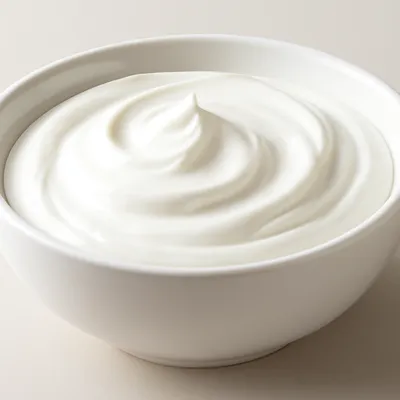
Serve hot with side of yogurt sauce (200 g yogurt + 2 minced garlic + 1 tbsp lemon).


