
Ayote (from Nahuatl ayohtli/ayotl) is a Mesoamerican squash (Cucurbita moschata/argyrosperma), domesticated in the region over 8,000 years ago. The squash is pre-Columbian, but this dessert is not: it is sweetened with panela (raw cane sugar), and sugarcane was introduced to the Americas by the Spanish in the 16th century — so candied ayote is a colonial-era mestizo sweet (native squash meets Old World cane sugar, cinnamon, and clove). It is inseparable from All Souls' Day (Dia de los Difuntos, November 1-2): Salvadoran altars are incomplete without it, as returning souls are believed to feed on it, and Tonacatepeque's Calabiuza festival treats it as a seasonal emblem.
Cut a piece with a spoon — the squash is tender, slightly creamy, sweetly perfumed with cinnamon and clove. The syrup sits glossy on top; the crema on the side balances the sweetness with cool tang. A colonial-era All Souls' Day classic.
Squash slowly absorbs the spiced sugar syrup through osmosis while simmering — the long cook time lets sugar penetrate to the center without falling apart. Panela's unrefined molasses provides depth that white sugar can't match. Uncovering at the end reduces excess water for a glossy syrup coat.
Variations
Ayote con Leche (with milk added at the end). Ayote en Almíbar (lighter syrup). Camote en Miel (sweet potato instead of squash). Chilacayote en Miel (Mexican version using chilacayote squash).
On the Palate
Where Ayote en Miel sits in the Salvadoran flavor cloud
Simmer the squash long and low so the spiced panela syrup soaks all the way to the center before the flesh collapses — patience, not high heat, is what candies it.
Ingredients
Serves 6How it's made
6 steps · 20 min active + 40 min waiting
- 15 min
Cut 1 kg ayote (or butternut squash) into 5cm chunks, leaving skin on. Score the flesh in a crosshatch pattern, 1cm deep.
- 23 min
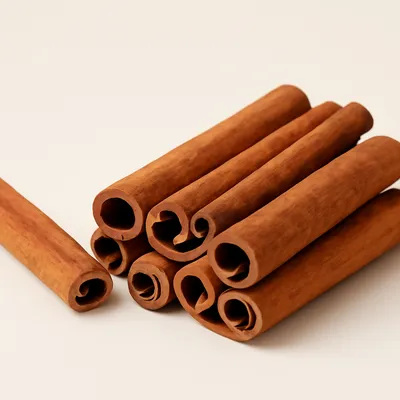
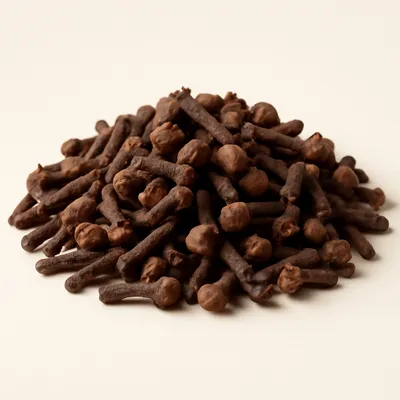
In a heavy pot, dissolve 400g panela (or piloncillo / dark brown sugar) in 1 L water with 2 cinnamon sticks, 4 whole cloves, 1 tsp anise seeds (optional).
Watch outStir until the panela has fully melted and the water turns dark amber before you add any spice.
- 310 min
Bring to a simmer; cook 10 minutes to let the syrup develop spice flavor.
- 435 min
Place ayote chunks in the syrup, skin-side down. Cover and simmer 30-40 minutes, basting occasionally with the syrup, until the flesh is tender enough for a knife to pierce easily.
Watch outThe squash is ready when a knife slides in with no resistance — tender but still holding its shape.
- 510 min
Uncover the last 10 minutes to thicken the syrup to honey-consistency.
Watch outThe syrup is thick enough when it coats the back of a spoon and drips slowly, like warm honey.
- 63 min
Cool slightly; serve warm or chilled, with the spiced syrup spooned over and a dollop of crema on the side.
Archive tool suggestions — not reviewed
These legacy suggestions have not been evidence-reviewed and are not presented as required tools.