
Namibia's dried sausage — a fresh beef (or game) sausage seasoned with coriander seed, vinegar, black pepper, and salt, then air-dried 5-7 days until firm, chewy, and shelf-stable. Like biltong's sausage cousin. Sliced into chunks and eaten as a portable snack on long trips. The Namibian and South African road-trip companion.


Droëwors (Afrikaans for 'dry sausage', from droë 'dry' + wors 'sausage') belongs to the same Cape Dutch meat-preservation tradition as biltong, traced to the Dutch farmers (Boere) who settled the Cape from 1652 and to the 19th-century Voortrekkers of the Great Trek. In Africa's hot, dry interior, with no refrigeration, curing and air-drying meat into a portable ration was a survival necessity. Droëwors is essentially boerewors stuffed thin and dried; boerewors itself derives from the Dutch verse worst tradition, with beef and fat substituted for European pork. Its signature spice — coriander seed, introduced by Dutch traders — became the cardinal flavor; without it, it's just any dried sausage. In Namibia, droëwors is also made from springbok, oryx, or kudu — the game versions have a deeper, more complex flavor. Every Namibian butcher shop sells it by the kilo; every road-trip cooler box has a packet.
Take a slice of droëwors — deep mahogany-brown exterior with a slight white bloom from the cure, marbled cross-section showing red meat flecked with fat and dark coriander grains. Chew: the texture is firm-chewy (like a softer biltong), the flavor explodes with toasted coriander, the vinegar-cure tang, beef-jerky savor, the slight nutmeg-and-clove warmth. Pair with cold Windhoek lager. The Namibian road-trip food that beats any commercial jerky.
Droëwors works through three preservation mechanisms operating together. Salt (about 2% by weight) draws out water and reduces water activity below 0.85, denying microbes available water — studies of biltong show water activity drops below 0.85 around 60% weight loss, into the range where bacteria cannot grow. Vinegar (acetic acid) lowers pH, and together with salt and drying achieves a 5-log reduction of pathogens like E. coli and Salmonella within about 6-8 days. Air-drying removes 35-40% of water weight, further concentrating salt and acid. The fat (15-20%) is essential for flavor and mouthfeel — without it, dried sausage becomes rock-hard and tasteless. Coriander seed, beyond its citrus-warm flavor, also contains natural antimicrobial oils that complement the cure.
Variations
Game droëwors uses springbok, oryx, or kudu mince for deeper flavor — the Namibian preferred version. Boerewors-style droëwors uses the same spices as fresh boerewors sausage (more cloves, nutmeg). Chili droëwors adds 2 tbsp chili flakes for heat. Garlic-droëwors adds 4 tbsp garlic powder. Modern artisan version uses red wine instead of vinegar for a softer flavor. Mini-droëwors (sticks the size of pinkies) are the children's snack version.
On the Palate
Where Droëwors sits in the Namibian flavor cloud
Ingredients
Serves 12



How it's made
11 steps · 1 hour active + 4 days 3 hours waiting
- 110 min
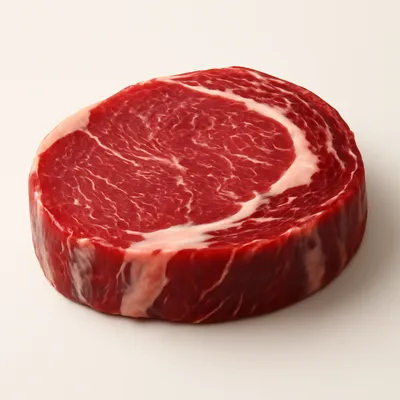
Acquire 1.2 kg fresh beef (chuck, brisket) or game meat (springbok, kudu) + 300 g pork or beef fat. Trim sinew; cut into 2-cm cubes.
- 28 min
Grind the meat and fat together through a coarse plate (4-5 mm) — keep cold throughout, ideally pre-chill the meat in the freezer 30 min before grinding.
Watch outKeep the meat and fat ice-cold while grinding — pre-chill in the freezer; if the fat warms and smears, it won't dry cleanly and can turn rancid.
- 35 min
Toast 4 tbsp whole coriander seeds in a dry pan over medium heat 2 min until aromatic. Cool. Coarsely grind in a mortar (don't make a powder).
- 45 min
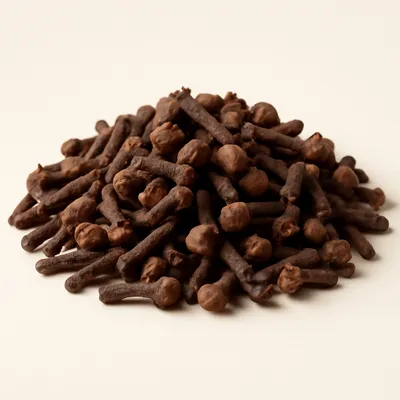
Mix the ground meat with: the toasted coriander + 2 tbsp coarse salt + 2 tsp black pepper + 1 tsp ground nutmeg + 1 tsp ground cloves + 100 ml red wine vinegar + 2 tbsp Worcestershire sauce + 1 tbsp brown sugar.
- 55 min
Knead the mixture 5 min until evenly combined and slightly sticky.
- 625 min
Stuff into sheep or hog casings (30 mm diameter) using a sausage stuffer. Twist into 10-cm links every 10 cm. Don't overstuff — leave room for shrinkage.
Watch outDon't overstuff the casings — pack loosely and leave slack, because the sausage shrinks a lot as it dries and a tight-packed one splits.
- 72 min
Hang the sausages in a cool, dry, well-ventilated area (15-20°C, 60-70% humidity). Use a fan to circulate air gently.
- 87200 min
Air-dry 5-7 days, depending on humidity. The sausages should lose about 35-40% of their weight, feel firm but not hard, and have a slight rust-colored exterior.
Watch outIt's ready when it's lost about a third of its weight and feels firm but still gives a little — weigh a link to be sure rather than guessing.
- 92 min
Once dried, slice into 2-cm chunks or 1-cm rounds.
- 101 min
Store in a paper bag at room temperature 2 weeks, or refrigerated 1 month.
- 111 min
Serve at room temperature, sliced. Eat as a snack with cold lager, or shave thin slices into salads and onto charcuterie boards.


