


Namibian
Kapana beef strips grilled at the Katutura market, mahangu pearl-millet porridge of the Owambo north, omajova termite-mound mushrooms after summer rains, droëwors dried into the glovebox — Namibian cooking is desert-edge pastoralism with a German and Afrikaner Potjiekos legacy and a rich game tradition.
Potjiekos
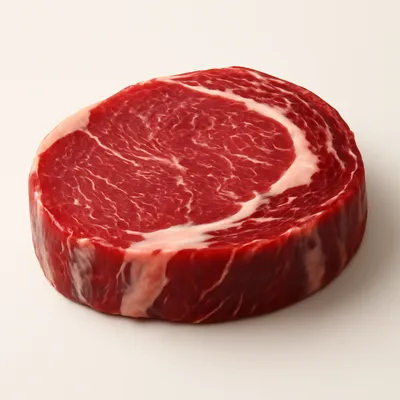
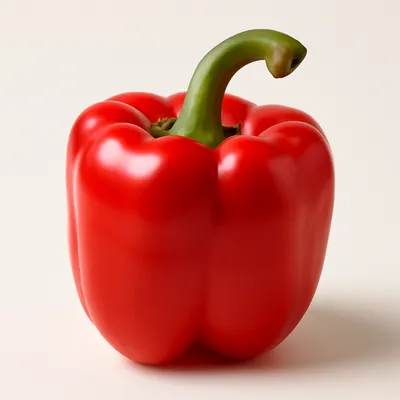
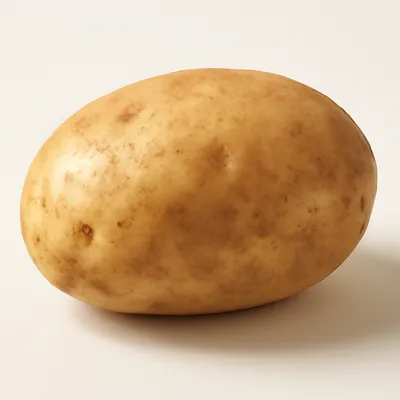
Namibia's signature dish — game meat (oryx, kudu, or beef chuck) slow-stewed in a three-legged cast-iron pot over open coals with vegetables (carrots, potatoes, cabbage, pumpkin), tomato, onion, garlic, herbs, and beer or wine. Cooked 3-4 hours; the ingredients are layered (not stirred); served with pap. The campfire dish that defines Namibian outdoor cooking.
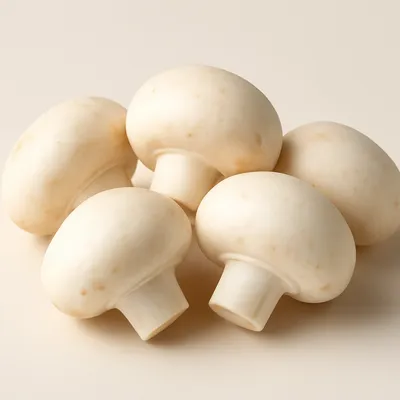
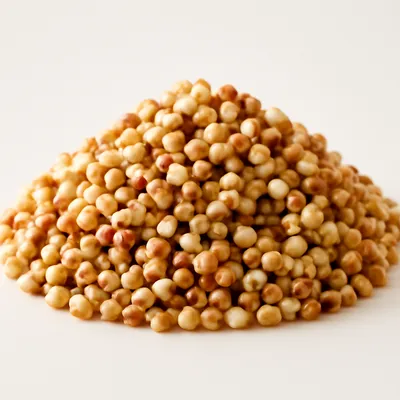
View page →Namibia is a sparsely-populated semi-arid country, and its cooking is built around game meat (oryx, kudu, springbok hunted ethically in country's free-range reserves), Karakul mutton, free-range beef, and the universal Southern African pap (cornmeal porridge). The Khoisan indigenous traditions of foraging and slow-roasted game meet German colonial influences (1884-1915) that left apfelstrudel, bratwurst, brewing, and goulash in coastal Swakopmund and Lüderitz. South African shared techniques (braai, biltong, droëwors) define the meat traditions. The Owambo and other Bantu peoples in the north use mahangu (pearl millet) instead of maize as the staple grain — drought-resistant, higher protein, deeper flavor. Omajova mushrooms (Termitomyces schimperi) grow on termite mounds during the brief rainy season and are revered. Coastal cooking adds Atlantic fish and Walvis Bay oysters. A meat-and-pap cuisine in a meat-and-pap region, with German-colonial accents and Khoisan-indigenous foundations.
The Palate
The Pantry







See all 43 ingredients›
Proteins


Fruits



Grains & Staples


Dairy & Fats





On the Map
Where this cuisine is found
Regional Styles
Owambo (Northern)
Where 60% of Namibians live. Mahangu (pearl millet) replaces maize as the staple grain. Deep-rooted Bantu foodways.
Windhoek (Central)
The capital and cultural melting pot. Street food, kapana grills, and the Single Quarters market.
Coastal German (Swakopmund and Lüderitz)
Former German South-West Africa colony. Apfelstrudel, bratwurst, Bavarian-purity-law beers, and game goulash.
How They Cook
Techniques that define this cuisine


