Sorghum
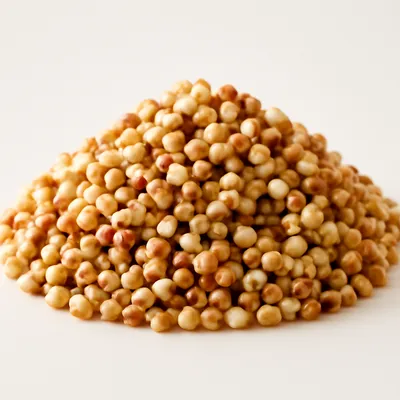
Nutty and subtly sweet, sorghum offers a versatile grain that can be chewy or fluffy depending on cooking methods. Its mild, earthy flavor makes it a perfect canvas for both savory and sweet dishes.
Where it comes from
Sorghum is one of the oldest cultivated grains, originating from Africa and playing a crucial role in traditional diets across the continent and in parts of Asia. It has recently gained popularity in gluten-free cooking.
In the kitchen
Sorghum can be cooked as a whole grain, ground into flour, or popped like popcorn. It adds texture and flavor to salads, pilafs, and baked goods while also providing a gluten-free alternative.
Across cuisines
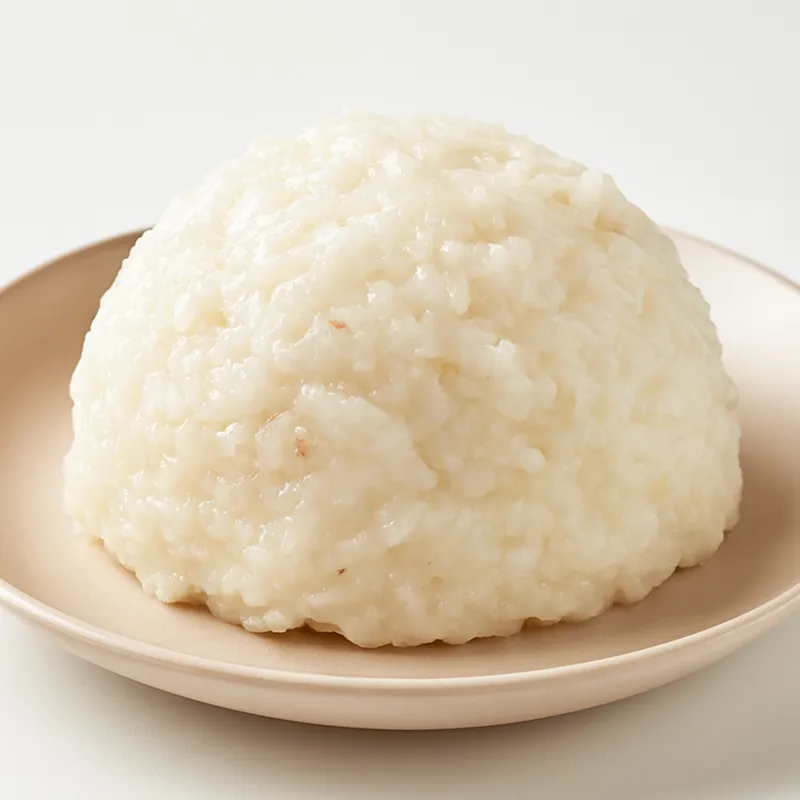
Sorghum — the Sudanese national grain. Ground into kisra (paper-thin fermented flatbread) and asida (sorghum porridge); the universal cereal.
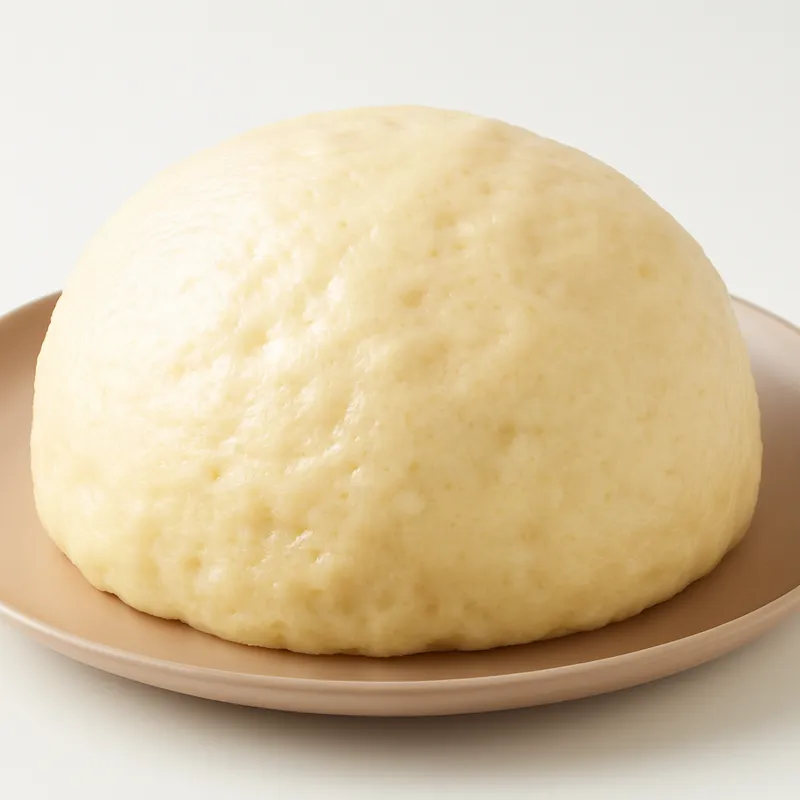
Sorghum — the South Sudanese staple grain. Cooked into kop kop (sorghum porridge) and aseeda (stiff sorghum dough). The Dinka and Nuer cereal foundation.
Sorghum — the staple grain of Setswana cooking; ground into bogobe (sorghum porridge), the universal carbohydrate. Source: Wikipedia (Botswana cuisine).
Nutrition (per 100g)
AI-estimated; model and run unavailable.