
Pickled cabbage leaves wrapped around minced pork, rice, onion, and paprika filling, packed tight into a deep pot under smoked pork ribs and tomato-cabbage broth, slow-baked for hours. The inland-Croatian (especially Slavonian) Christmas, Easter, and feast-day centerpiece — closely related to Romanian sarmale but with paprika instead of dill and a richer broth.
Sarma traveled into the Balkans via Ottoman Turkish cooking, and each cuisine refined it. The Croatian (specifically Slavonian-Lika-Zagorje) version is distinguished by the heavy use of paprika (Hungarian influence), the inclusion of smoked pork ribs in the layers, and the obligatory mashed potato or boiled potato side. December cabbage-pickling for sarma is a household ritual across inland Croatia. Christmas Eve sarma is the meal of the year.
Knife splits a sarma open and the pork-rice filling holds together while the leaf has gone deep amber, soft and faintly sour from the pickling brine. Paprika heat is present but not aggressive — Croatian sarma is the most balanced of all the cabbage-roll variants. The smoked rib pieces tucked between the rolls have braised to falling-apart tenderness. A spoon of the tangy broth, a fork of creamy mashed potato (pire krumpir), an optional dollop of sour cream — that's the bite.
Pickled cabbage's lactic acid environment tenderizes the pork-rice filling slowly without breaking it apart over 3.5 hours. The smoked ribs hidden between layers infuse smoke flavor via slow fat rendering — the trick of inland Croatian cooking. Heavy paprika contributes both color and capsaicin-mild heat that distinguishes Croatian sarma from Romanian and Polish variants.
Variations
Slavonian style is the richest — generous smoked pork and paprika, sometimes with spicy kulen sausage tucked between the rolls for extra smoky bite. Zagorje-style thickens the sauce with a roux. Coastal Dalmatian sarma is its own school: it often leaves rice out of the filling and, in summer, uses fresh cabbage leaves instead of soured ones. Vegetarian sarma uses a mushroom-rice-and-walnut filling.
On the Palate
Where Sarma sits in the Croatian flavor cloud
Ingredients
Serves 8












How it's made
9 steps · 1 hour 15 min active + 2 hours 45 min waiting
- 125 min
Separate leaves from 1 large pickled cabbage head — about 20-25 usable leaves. Trim thick stems. Chop unused leaf bits + 200 g extra sauerkraut for the bed.
- 25 min
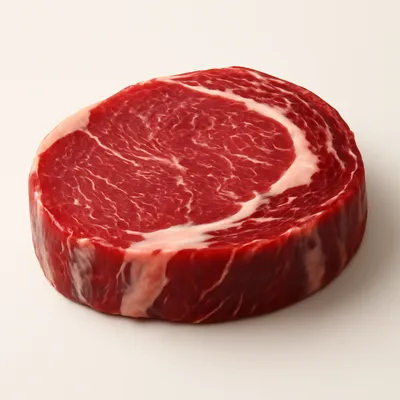
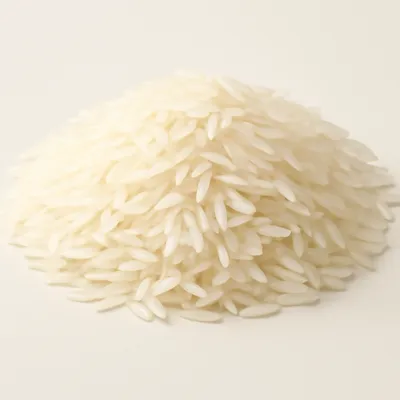
Filling: combine 800 g pork mince (15-25% fat) + 200 g beef mince + 100 g uncooked round rice + 1 large grated onion + 2 chopped garlic + 1 tbsp sweet paprika + 1 tsp smoked paprika + 1 tsp salt + ½ tsp pepper + 1 egg + 2 tbsp lard. Mix vigorously 3 min.
- 330 min
Roll: pat each leaf flat. Spoon 1.5 tbsp filling near base. Fold sides in, roll tight into a 7-cm cigar.
Watch outMix the filling vigorously until it turns sticky and cohesive — a loose filling crumbles and leaks rice out of the rolls in the pot.
- 44 min
Line a heavy pot or Dutch oven with chopped cabbage trim and bay leaves.
- 56 min
Pack sarma tightly in concentric rings. Tuck 300 g smoked pork ribs between rolls.
Watch outRoll each one snug and pinch it closed so it won't unravel — then bury the smoked ribs down between the rolls, where their fat slowly renders smoke through the whole pot.
- 65 min
Pour over: 500 g passata + 200 ml water + 1 tsp salt + 1 tbsp smoked paprika + 1 tsp peppercorns. Top with remaining chopped cabbage. Press down.
- 7210 min
Cover, bake at 160°C for 3.5 hours. Check liquid level at 2 hours.
Watch outKeep the oven low and let it go the full long bake — this slow, gentle heat is what tenderizes the cabbage without the rolls falling apart.
- 830 min
Last 30 min: uncover, raise to 180°C for slight color on top.
- 925 min
Rest 20 min. Serve with mashed potato, smântână, and a chili. Even better reheated the next day.


