
Meat (lamb, veal, octopus, or whole chicken) layered with chunky potatoes, onions, carrots, garlic, fresh rosemary, white wine, and olive oil in a shallow pan, covered with a heavy iron-bell lid called a 'peka', and buried under hot coals for 2-3 hours. The radiant heat from the bell roasts everything to dark gold and infuses smoke. Booked 24 hours in advance at every Dalmatian island konoba.






Peka is one of the Adriatic's most ancient cooking methods, tracing back to prehistory — clay bells were used over fire across the Balkans and southern Pannonia as far back as the Neolithic and Bronze Age. The Illyrians who settled the Dalmatian coast adopted it, and Roman kitchens used similar clay domes. The familiar cast-iron bell is much later: an Ottoman-era introduction, known dialectally as 'sač'. The basic technique is consistent from Hvar to Vis to Korčula — a bell over a shallow pan, buried under embers from a wood fire. Restaurants take peka orders only by advance booking because the technique cannot be hurried. The meal is communal — a peka for one is impossible, since the minimum effective bell-size demands at least four portions.
Fork pulls meat that has surrendered completely — lamb chunks fall into shreds with the side of the spoon, infused with rosemary, wine, garlic, and the unmistakable Dalmatian-coast olive-oil hum. Potatoes have absorbed all four flavors plus the meat juices, somewhere between roasted and braised, blackened at the edges. Smoke notes (in the wood-fire version) rise from every bite. Crusty bread for the broth.
Iron-bell cooking is radiant + conductive heat from all sides — equivalent to a 175-200°C convection oven but with the moisture trapped under the lid. The meat braises in its own juices and wine while the upper surface reaches enough temperature for Maillard browning. Outdoor wood embers add hardwood-smoke compounds (guaiacols) that perfume the meat — impossible to replicate indoors fully.
Variations
Octopus peka (hobotnica ispod peke) uses whole octopus in the same template — Hvar Island specialty. Veal peka (teletina ispod peke) is the Pelješac peninsula classic. Whole-chicken peka is the home-kitchen daily version. Mixed peka (lamb + chicken + veal) is the restaurant tasting version.
On the Palate
Where Peka sits in the Croatian flavor cloud
Ingredients
Serves 6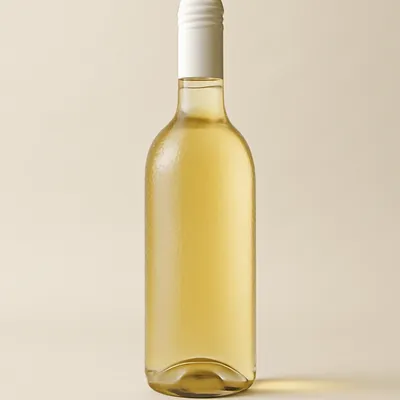


How it's made
9 steps · 30 min active + 3 hours 30 min waiting
- 12 min
Authentic outdoor version requires a wood fire built down to embers and a cast-iron bell. Indoor adaptation uses a Dutch oven with a heavy lid at 175°C in the oven — close to the same effect.
- 28 min
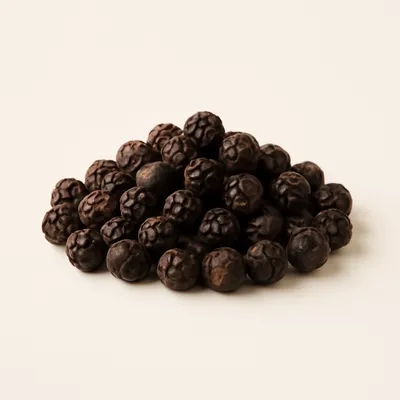
Cube 1.5 kg lamb shoulder (or veal, or octopus) into 6 cm pieces. Pat dry. Season heavily with salt and pepper.
- 36 min
Cut 1 kg waxy potatoes into quarters. Slice 4 onions into 2 cm wedges. Cut 3 carrots into 4 cm chunks.
- 44 min
Smash 8 garlic cloves but leave whole. Strip leaves from 6 large rosemary sprigs (save sprigs).
- 518 min
Heat 5 tbsp olive oil in the Dutch oven. Brown meat in batches 5 min per batch. Remove.
Watch outBrown the meat hard in batches — the crust and fond set the depth of the whole pot.
- 68 min
Layer in pot: potatoes on bottom, then onions and carrots, then meat back on top. Tuck garlic between layers. Scatter rosemary throughout. Pour 250 ml dry white wine + 100 ml olive oil + 1 tsp salt + 1 tsp pepper over.
- 7120 min
Cover with heavy lid. Bake in 175°C oven 2 hours undisturbed. Check at 90 min — liquid should be reducing but not gone; if dry, add 100 ml water.
Watch outLeave the lid on and don't peek; check once at 90 min and only add water if truly dry.
- 822 min
Last 20 min: uncover, raise to 220°C to brown the tops. Tilt pot occasionally to baste with juices.
Watch outUncover and crank to 220°C now so the tops finally brown; tilt to baste.
- 917 min
Rest covered 15 min. Serve in the pot — fish out portions of meat, potato, onion, and pour broth over each plate.


