
Two paper-thin sheets of unleavened flour-and-water dough sealed around a filling of chopped Swiss chard, onion, parsley, and garlic dressed with olive oil, then baked on a hot stone hearth under glowing embers until the thin crust blisters, brushed afterward with warm crushed-garlic olive oil and cut into diamond-shaped pieces. The Poljica region's chard-pie specialty — a humble, centuries-old Dalmatian peasant dish, sometimes called a 'pizza ancestor.'





Soparnik comes from Poljica, the Dalmatian hinterland between Split and Omiš that was the old Poljica Republic in the late Middle Ages and early modern period; the dish is documented to at least the 13th century. It was poor-folk food — chard from the field, onion, and olive oil, with no cheese, meat, or eggs — which made it ideal for Catholic fasting days, so it traditionally appears on Good Friday, Christmas Eve, and All Saints' Day: humble and ceremonial at once. It was cooked on a round wooden board over the household stone hearth (komin), with embers raked over the top to bake it. Older, sweeter autumn-and-winter chard was the prized filling. Locals call it an ancestor of Italian pizza — the claim that Romans later carried the topped flatbread to Italy is folklore. Today it is a regional emblem sold at markets, restaurants, and festivals, and 'Poljički soparnik' was granted EU Protected Geographical Indication (PGI) status in 2016.
Crust crackles into pale-gold sheets — the dough is thin enough to be almost transparent against the dark green chard inside. Chard filling is herbal-mineral, lifted by parsley and the raw-garlic finish that hits as a kick at the end of each bite. The garlic-oil brush glosses the top and soaks in so every diamond carries it. Eaten with hands, walking, or torn into pieces around the table.
Unleavened dough's lack of yeast keeps it ultra-thin — there's no rise to disrupt the structure, so it bakes crisp and light. The chard filling steams between the sheets, releasing water that hydrates the dough during baking, leaving the inside tender and the crust crisp. The final raw-garlic-oil brush is critical: cooking the garlic would lose its sharpness, which is the soparnik signature, so crushed garlic in olive oil is brushed on hot off the hearth. The traditional embers-on-the-komin method roasts via radiant heat from above and below at once; the embers must not be too fierce or the side against the stone scorches.
Variations
Spinach soparnik replaces chard when chard is out of season. A wild-greens version (nettles, dandelion, sorrel) is the spring countryside variant. A cheese-filled version (with fresh škripavac cheese) is a modern Split-restaurant adaptation that departs from the Lenten original. Sweet soparnik with figs and walnut is a dessert-only experiment.
On the Palate
Where Soparnik sits in the Croatian flavor cloud
Ingredients
Serves 6
How it's made
8 steps · 35 min active + 40 min waiting
- 19 min
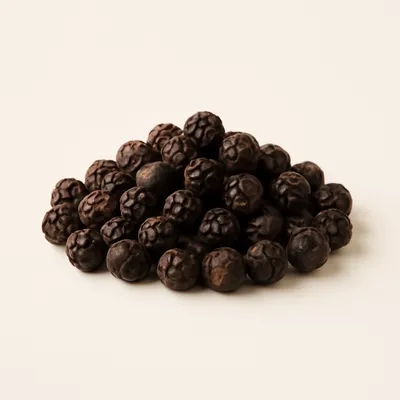
Filling: wash 800 g Swiss chard, remove tough stems. Chop leaves finely. Mix with 2 finely chopped onions, 4 chopped garlic, 4 tbsp chopped parsley, 4 tbsp olive oil, 1 tsp salt, ½ tsp pepper.
- 211 min
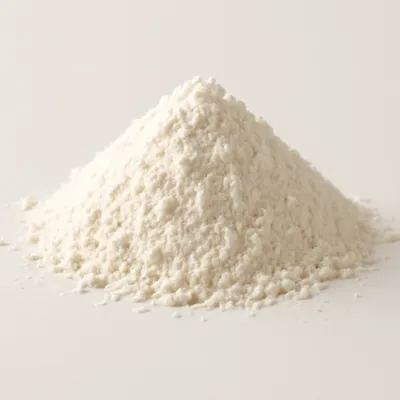
Dough: combine 400 g plain flour + 1 tsp salt + 250 ml warm water + 2 tbsp olive oil. Knead 10 min to smooth. Rest covered 30 min.
- 38 min
Divide dough in 2. On floured surface, roll each piece into a 35 cm round. Then stretch with floured hands to 45 cm rounds.
Watch outStretch each round paper-thin by hand after rolling — this unleavened dough has no rise to hide behind, so thin is what bakes crisp.
- 44 min
Place one round on a large parchment-lined baking sheet. Spread chard filling evenly to within 3 cm of edge.
- 55 min
Cover with second round. Press edges together firmly, then fold and crimp into a thick rope-like seal.
Watch outFold and crimp the two edges into a thick rope seal — a loose edge lets the chard's steam escape and the crust goes limp there.
- 61 min
Prick top in multiple places with a fork. Brush lightly with olive oil.
- 727 min
Bake at 220°C for 25-30 min until golden brown on top and bottom.
- 810 min
Immediately brush top with a paste of 3 minced garlic + 4 tbsp warm olive oil + ¼ tsp salt. Rest 5 min so the garlic infuses. Cut into wedges, serve warm.
Watch outBrush the raw garlic-oil on the moment it's out of the oven — cook that garlic and you lose the sharp bite that makes it soparnik.


