
An Adriatic fishermen's stew of mixed fish and shellfish — the day's leftover, less-valuable catch (scorpionfish, monkfish, conger eel, mussels, squid, prawns — whatever came up) gently stewed together in a base of onion, tomato, garlic, parsley and olive oil, sharpened with white wine and a splash of vinegar; the pot is shaken rather than stirred so the fish stays whole, and cooked down until rich and brothy. In Istria and northern Dalmatia it's served with polenta, which soaks up the sauce and balances the rich seafood-and-tomato; further south it's mopped up with white bread instead. From Pula to Dubrovnik it's the Croatian coast's defining fish dish.
Brudet (also brodet, brujet, depending on the dialect) is the Adriatic fish stew that varies village by village; the name comes from the Italian brodetto, a diminutive of brodo ('broth'). It began as a thrifty fishermen's dish — the low-value odds and ends of the day's catch, cooked up in one big pot on the boat or the beach to feed the crew. The rules are loose, but two are near-universal: use at least three or four kinds of fish and seafood (the mix is what gives it depth), and never stir aggressively — only shake the pot, to keep the pieces intact. The Croatian version typically leans on white-fleshed fish like monkfish or scorpionfish plus mussels, shrimp and squid, though inland cooks sometimes use freshwater carp. The accompaniment varies by region too — polenta in the north, white bread in the south. Eaten communally from one pot is the most homely way to serve it.
The spoon brings up a piece of tender white fish, a mussel in its open shell, a slice of squid, a half-shell prawn, all in a tomato-wine broth that has been concentrated by reduction and given body by gelatin cooked out of the fish bones and heads, with the vinegar's tang sitting quietly underneath. Each seafood reads differently against the consistent tomato-garlic-parsley background — every spoonful is a little different. The fish is usually still on the bone (the tradition keeps it in for flavor — pick the bones out as you eat). Whatever rich broth is left, the polenta soaks up.
Brudet's handful of rules all serve two ideas: variety and wholeness. Using three or four kinds of seafood is the point — white fish, shellfish and squid each contribute a different note, so the broth is layered rather than one-dimensional. Adding the seafood in staggered order (sturdier fish first, then squid, then the quick-cooking mussels and prawns) keeps anything from being over- or undercooked. Leaving the fish bones and heads in lets their gelatin cook out over the simmer, lending the broth natural body without any flour or roux. And the 'no aggressive stirring' rule is there to protect the fish chunks — stirring breaks them, so the pot is only shaken, letting the broth move and heat circulate through the gaps.
Variations
There's no fixed recipe — it changes from coast to coast and house to house. Istrian cooks favour the local malvazija white wine and finish with a splash of white wine vinegar. Inland Dalmatia, away from the sea, uses freshwater carp in place of sea fish. The improvised fishermen's version simply adds whatever was caught that day, sometimes with a hot chilli for heat. Restaurants now also offer a faster pre-deboned version that spares you picking out bones at the table, though it gives up some of the broth's depth.
On the Palate
Where Brudet sits in the Croatian flavor cloud
Ingredients
Serves 5















How it's made
8 steps · 35 min active + 40 min waiting
- 115 min
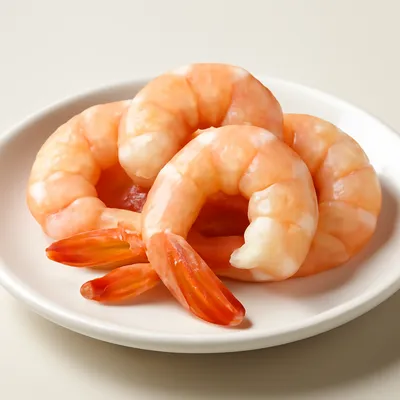
Clean 800 g mixed white-fleshed fish (monkfish, scorpionfish, sea bass), cut into 5 cm chunks bones-in. Clean 300 g mussels (debeard, scrub). 200 g squid rings. 200 g shell-on prawns.
- 29 min
Heat 5 tbsp olive oil in a wide heavy pan. Sauté 2 finely chopped onions 8 min until golden.
- 32 min
Add 4 chopped garlic + 1 small dried chili. Cook 1 min.
- 48 min
Stir in 2 tbsp tomato paste; cook 3 min until rust-colored. Add 400 g passata + 200 ml dry white wine + 400 ml fish stock or water + 1 bay leaf + 4 parsley stems + 1 tsp salt + ½ tsp pepper.
Watch outCook the tomato paste until it darkens to a rust color and smells sweet before the liquid goes in — raw paste leaves the broth sharp and tinny.
- 512 min
Bring to bare simmer. Add fish chunks bones-in first; spoon broth over. Simmer gently 10 min — DO NOT stir aggressively, just shake pan to prevent sticking.
Watch outAdd the bones-in fish first and only shake the pan, never stir hard — the chunks are fragile and stirring breaks them into mush.
- 612 min
Add squid; simmer 5 min. Add prawns and mussels; cover, cook 5 min until mussels open. Discard any unopened.
Watch outGo in staggered order and stop the moment the mussels open — pull the pan then; any left shut, throw out, and don't cook the prawns past just-pink.
- 72 min
Off heat, stir in 3 tbsp chopped parsley and a generous final drizzle of olive oil. Squeeze a quarter lemon over.
- 85 min
Serve directly from pan, ladled over warm polenta or thick-sliced bread.


