
Dried-and-powdered mloukhia (Jew's mallow / corchorus) leaves slow-cooked with beef or lamb in olive oil for 4 hours to a near-black thick stew, finished with garlic, caraway, and lemon juice. Served with crusty bread or rice. The Tunisian dish that takes the longest patience — eaten ceremoniously on Mawlid (Prophet's birthday).




Mloukhia (also spelled molokhia) is a leafy green native to Egypt and the Nile valley; the dried-powdered form preserves it for year-round use. The Tunisian preparation is distinct from Egyptian mloukhia (soup-thin) and Levantine mulukhiyah (stew with chicken): Tunisia cooks it down to a near-black tar-like consistency over 4 hours, using olive oil rather than ghee. Eating mloukhia is associated with luck (the green color symbolizes hope); it's the traditional Mawlid-and-New-Year dish.
Spoon brings up dark-green tar-thick stew with chunks of meat that have completely surrendered to fork. The mloukhia tastes earthy-mineral, slightly bitter behind the rich olive oil, deeply savory from the long cook. Garlic and lemon hit fresh at the end (added late). Bread mops the inky sauce; rice provides bland contrast. Patience reward — 4 hours pays off in depth.
Dried mloukhia powder must be slowly hydrated in hot water to prevent lumping — same physics as making gravy with flour. The 3-4 hour simmer fully extracts the bittersweet glycosides and gives the dish its characteristic dark color; shorter cooks leave the dish greener and slightly bitter. Adding garlic and lemon at the end preserves their volatile aromatics — long-simmered they'd lose their punch.
Variations
Lamb version is the more traditional ceremonial choice (Mawlid); beef is everyday. Coastal Bizerte adds dried preserved fish (mlassa) for a fishy umami layer. Modern Tunis restaurants serve mloukhia in individual ramekins with the meat already pre-shredded. Vegetarian mloukhia uses chickpeas instead of meat (Lenten-equivalent for Tunisian Christians).
On the Palate
Where Mloukhia Tunisienne sits in the Tunisian flavor cloud
Ingredients
Serves 6



How it's made
10 steps · 35 min active + 3 hours 25 min waiting
- 13 min
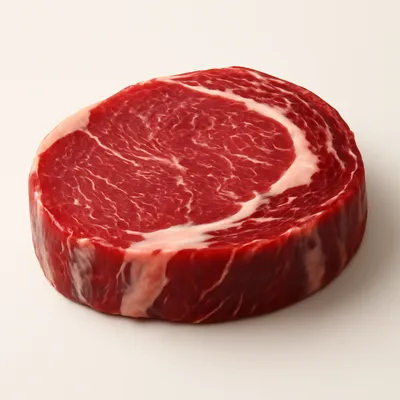
Cut 800 g beef chuck or lamb shoulder into 5 cm cubes. Pat dry, season with 1 tsp salt and ½ tsp pepper.
- 28 min
Heat 6 tbsp olive oil in a large heavy pot over medium-high. Brown meat 6 min, turning. Lift onto a plate.
- 39 min
Reduce heat to medium. Add 1 chopped onion to the oil; cook 8 min until soft and slightly golden.
- 44 min
Add 6 chopped garlic + 2 tbsp tomato paste + 1 bay leaf + 1 tsp paprika. Cook 2 min until rust-red.
- 52 min
Stir in 200 g dried powdered mloukhia leaves (essential — use the Tunisian-style fine powder, not the Egyptian larger flakes). The powder will resist absorbing for a moment; persist in stirring.
Watch outWork the mloukhia powder into the oil-onion base first — it resists soaking up at first, so keep stirring till it takes.
- 64 min
Slowly stream in 1.5 L boiling water while whisking continuously to prevent lumps. The mixture will be very dark green, almost black.
Watch outStream the boiling water in slowly while whisking nonstop — pour fast and it seizes into lumps that won't smooth out.
- 73 min
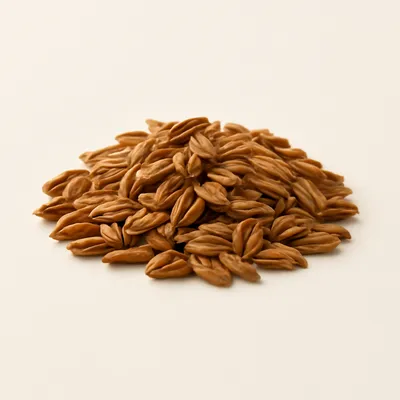
Return meat to pot. Add 1 tsp ground caraway + 1 tsp ground coriander + 1 tsp salt + ½ tsp cumin. Bring to gentle simmer.
- 8210 min
Cover and simmer on lowest heat 3-4 hours, stirring every 30 min, until meat is fork-tender and the stew is glossy-black and thick enough to coat a spoon.
Watch outCook it low for three to four hours until it turns glossy near-black and thick enough to coat a spoon — cut short it stays green and bitter.
- 95 min
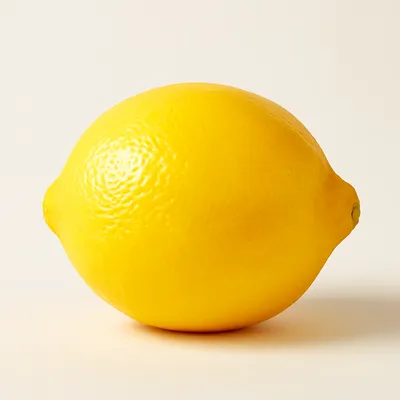
Stir in juice of 1 lemon and 4 finely chopped garlic in the final 5 min. Taste and adjust salt.
Watch outStir in the lemon and raw garlic only in the last five minutes — long simmering cooks their brightness right out.
- 105 min
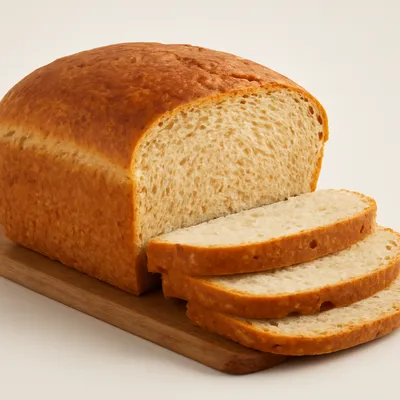
Plate: ladle mloukhia onto a deep platter, arrange meat chunks on top, drizzle with extra olive oil. Serve with crusty bread for swabbing or over fluffy white rice.


