A Tunisian-Jewish baked egg cake in which many eggs are combined with shredded poached chicken and chopped hard-boiled egg, set in a bain-marie until custard-soft throughout. Served sliced, warm or at room temperature, at Passover, Rosh Hashanah and Shabbat. An oven-baked variant without the water bath is called Makoud.



Minina belongs to the maakkouda family of Tunisian baked egg dishes, and is explicitly listed in the Wikipedia article on Tunisian cuisine as a Jewish specialty prepared essentially from eggs and chicken cooked in advance in broth. The scholar Andree Zana Murat records it in La Cuisine juive tunisienne: de mere en fille as a dish transmitted mother to daughter across generations of the Tunis Jewish quarter. The bain-marie technique — borrowed from French culinary practice that had penetrated Tunisia's bourgeois kitchens by the 19th century — transformed the dish from a direct-heat omelette into a custard cake with remarkable tenderness. The oven-baked variant Makoud omits the water bath and produces a firmer, more golden-topped result, traditionally served with chicken broth poured over it at the table.
Silky and custardy — the egg sets to a trembling softness that holds its shape cleanly under the knife. Chicken distributes in pale, fine shreds; nuggets of hard-boiled yolk offer small contrasts of grainy firmness against the surrounding cloud. Lemon zest and nutmeg surface slowly in the finish.
The bain-marie limits the oven temperature the egg mixture experiences to around 100°C, far below the radiant heat of a direct oven at 180–200°C. This controls egg protein denaturation: ovalbumin begins unfolding at 70–80°C, forming loose, tender protein networks rather than the tight, rubbery coagulation produced by high heat. The result is a gel-like custard matrix that holds its shape when sliced but yields at the fork. Pre-cooked and drained chicken releases negligible free water during baking, preventing the egg cake from weeping or collapsing. Matzah meal or breadcrumb absorbs any residual liquid and provides light structural scaffolding.
Variations
Makoud is the oven-baked version without a water bath, yielding a more golden-topped, bread-like texture, traditionally served with chicken broth poured over it at the table. Meguina is another family name for the same dish. Some recipes incorporate lemon zest and celery into the chicken poaching liquid, then use that concentrated broth to moisten the egg mixture. A Passover-specific version substitutes matzah meal for regular breadcrumbs.
On the Palate
Where Minina sits in the Tunisian flavor cloud
Ingredients
Serves 6
How it's made
7 steps · 40 min
- 122 min
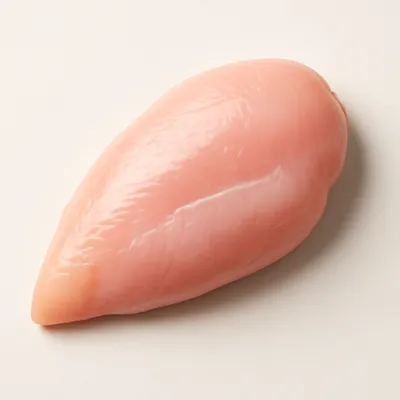
Poach chicken breasts in salted water or light broth with a celery stalk, half an onion and a strip of lemon peel for 20 minutes. Remove, cool and shred finely by hand.
- 212 min
Hard-boil 3 eggs for 10 minutes; cool in ice water, peel and chop roughly.
- 35 min
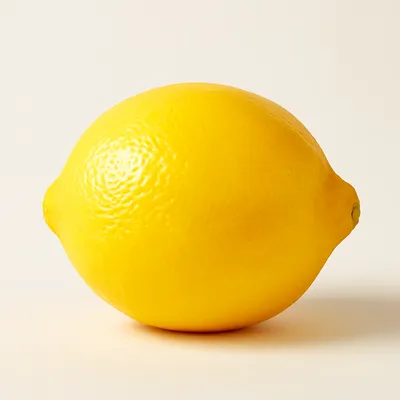
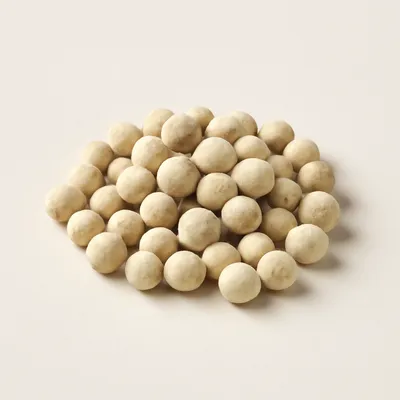
Beat the remaining 10 raw eggs well in a large bowl. Season generously with nutmeg, white pepper, salt and lemon zest.
Watch outBeat the raw eggs and season generously — under-seasoned, the mild custard tastes flat once set.
- 43 min
Fold the shredded chicken and chopped hard-boiled eggs into the beaten egg mixture. Add 2 tablespoons of matzah meal (or breadcrumbs) to absorb excess liquid and stir gently.
- 52 min
Pour the mixture into a well-oiled round baking dish. If desired, nestle one whole raw egg in the centre for a visual reveal when sliced.
- 650 min
Place the baking dish in a larger roasting pan. Pour boiling water into the roasting pan to reach halfway up the sides of the baking dish. Bake at 160℃ for 45-50 minutes.
Watch outBake in the water bath at 160°C — the bath caps the heat so the eggs set into a tender, sliceable custard instead of turning rubbery.
- 712 min
Test doneness by inserting a thin knife — it should emerge clean. Rest in the water bath for 10 minutes, then turn out or serve directly from the dish, sliced warm or at room temperature.
Archive tool suggestions — not reviewed
These legacy suggestions have not been evidence-reviewed and are not presented as required tools.

