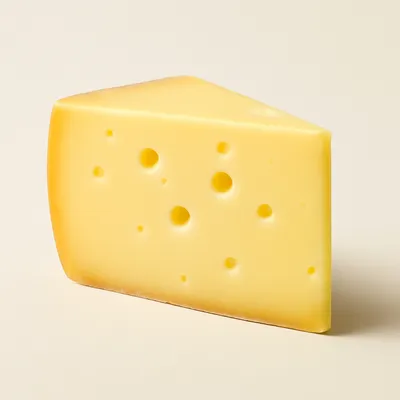
A Tunisian baked egg dish—closer to a frittata than a Moroccan stew—wrapped in layers of malsouka, the paper-thin semolina sheets that also give brik its crunch. Tuna, beaten eggs, grated cheese, capers, and parsley form the custard filling; the pastry lining crisps to deep gold while the center stays tender and moist. A Ramadan fixture on Tunisian iftar tables.



The word malsouka derives from the Arabic root lasaq, meaning to stick, naming the technique of pressing thin semolina batter onto a hot surface to form the sheets. Tunisian culinary historians trace this ultra-thin pastry tradition to two converging currents: Ottoman börek culture, which spread flaky pastry techniques across the Mediterranean basin from the 15th century, and the Andalusian refugees—Muslims and Jews expelled from Spain—who arrived in Tunisia from the late 15th century onward carrying refined pastry craft. In Tunisia, the malsouka sheet became the soul of brik, the fried pastry synonymous with Ramadan street food, and was later adapted as the casing for this baked egg tajine. During Ramadan, malsouka sheets dominate market stalls and the tajine malsouka is a fixture on iftar tables across the country.
The first cut shatters the golden pastry shell; a puff of steam escapes carrying cheese and herb fragrance. Inside, the custard is silky and yielding—tuna provides salty depth, capers bring a sharp brine pop, and the pastry layers beneath stay pleasantly chewy where they absorbed the egg.
The malsouka sheets undergo starch gelatinization early in the bake, then dehydrate rapidly as oven heat sustains 180°C—Maillard browning of the surface proteins and sugars turns the pastry deep gold and crisp. Simultaneously, the egg-filling proteins denature and coagulate between 65°C and 70°C, setting into a smooth custard matrix that holds its structure when sliced. Molten cheese casein redistributes through the coagulating egg network, adding richness and cohesion to the interior.
Variations
The tuna filling can be swapped for sautéed minced lamb, diced chicken, or shrimp. Some cooks add boiled potato chunks or sliced hard-boiled eggs inside the filling. An alternate method cuts the malsouka into thin strips and folds them directly into the beaten egg batter before baking—the result has no crisp shell but a softer, layered interior studded with pastry ribbons. Coastal versions add green olives and harissa.
On the Palate
Where Tajine Malsouka sits in the Tunisian flavor cloud
Ingredients
Serves 6


How it's made
7 steps · 20 min
- 18 min
Preheat oven to 180°C and butter a round 24cm baking dish. Drain tuna thoroughly and flake with a fork. Slice 2 hard-boiled eggs and set aside.
- 24 min
Beat 8 eggs in a large bowl with salt, pepper, and a pinch of turmeric until homogeneous.
- 33 min
Stir the flaked tuna, grated cheese, chopped parsley, and capers into the beaten eggs until evenly distributed.
- 45 min
Brush 5 malsouka or brik sheets individually with melted butter; lay them in the baking dish, overlapping and draping the edges up the sides.
Watch outBrush each malsouka sheet with melted butter and drape the edges up the sides — buttered layers crisp and hold; dry sheets tear and go soggy under the filling.
- 53 min
Pour the egg-tuna mixture evenly over the pastry base; arrange the sliced hard-boiled eggs on top.
- 63 min
Cover with the remaining 5 buttered sheets, folding the overhanging edges inward to seal; brush the top surface with melted butter.
- 730 min
Bake 25–30 minutes until the top is deep golden and the center is fully set. Rest 5 minutes before cutting into wedges and serving.
Watch outBake until the top is deep gold and the center is fully set — pull it early and the egg custard runs when you slice it.
Archive tool suggestions — not reviewed
These legacy suggestions have not been evidence-reviewed and are not presented as required tools.


