
Eggs broken into a buttered ramekin over a spoon of cream — often with mushrooms, ham, spinach or a little cheese beneath — and baked gently in a water bath until the whites are just set and the yolks still run. The cocotte that names the dish is the small individual baking dish itself. It is a quiet classic of the French breakfast and light-supper table: soft, rich and barely cooked, eaten with a spoon and fingers of toast (mouillettes) dipped into the loose yolk.

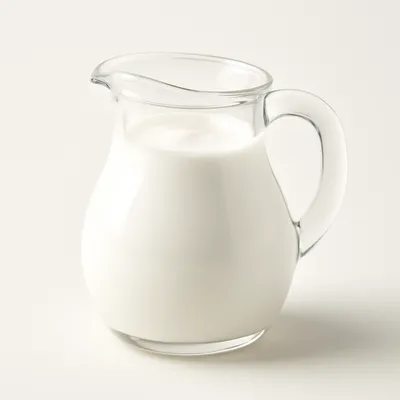

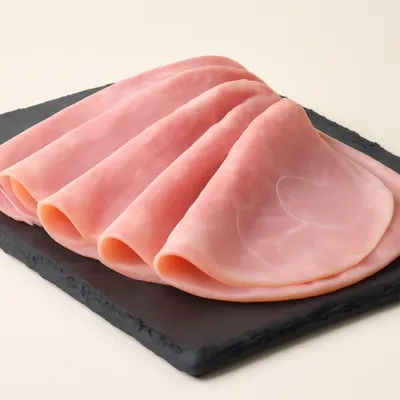

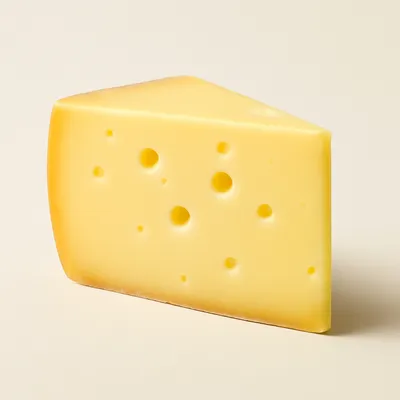
Eggs cooked in a small individual dish are an old idea of the French domestic and bourgeois kitchen, and en cocotte is the codified name for the method — eggs baked in a ramekin in a bain-marie, listed in the classic egg repertoire that Escoffier set out in Le Guide Culinaire (1903). The dish belongs to the family of gentle egg cookery — alongside œufs mollets, brouillés and sur le plat — prized for a custardy set achieved through indirect, even heat rather than a hot pan. It carries no single regional home; it is pan-French home and restaurant cooking, the additions of cream, ham, mushroom or spinach naming the many small variations.
Break the surface with a spoon and the white is barely set, soft as a panna cotta, while the yolk floods out warm and orange over whatever lies beneath — earthy mushroom, salty ham, silky spinach. The cream blends with the running yolk into a rich sauce in the bottom of the dish. A finger of buttered toast dipped in and out is the proper tool. It is gentle, comforting food, the whole pleasure in the contrast of just-set white, liquid yolk and the warm cream around them; overbaked, the yolk firms and the magic is gone.
Egg white sets at around 63°C and yolk at around 68°C, a narrow window that makes the dish about gentle, even heat. Baking the ramekin in a bain-marie — a tray of hot water reaching halfway up the dish — caps the temperature near boiling and warms the egg slowly and evenly from all sides, so the white sets to a tender custard before the yolk has time to firm. A direct oven or a hot pan would overshoot and rubberise the white before the yolk warmed. The spoon of cream beneath insulates and enriches, and any pre-cooked garnish (mushrooms sweated, ham warmed, spinach wilted) goes in already done, since the few minutes' bake is far too short to cook a raw filling.
Variations
The plain œuf en cocotte à la crème is just egg, cream, salt and pepper; classic additions name the rest — aux champignons (mushroom duxelles beneath), au jambon (diced ham), à la florentine (on a bed of spinach), or with a spoon of tomato, foie gras, or grated Gruyère. Some cooks set the cocottes in a pan of water on the stovetop, covered, instead of the oven. The dish overlaps with œufs sur le plat (baked flat in a dish without the water bath, browning the edges) and œufs mollets (soft-boiled and peeled); en cocotte is the creamiest and gentlest of the three.
On the Palate
Where Œufs en Cocotte sits in the French flavor cloud
Ingredients
Serves 2How it's made
6 steps · 10 min active + 15 min waiting
- 18 min
Butter the ramekins and pre-cook any garnish — sweat mushrooms, warm diced ham or wilt spinach — and lay it in the bottom.
- 22 min
Spoon a little cream into each dish and season.
- 33 min
Break an egg carefully into each ramekin without bursting the yolk, and add a little more cream on top.
- 42 min
Set the ramekins in a baking tray and pour in hot water to reach halfway up their sides.
Watch outSet the ramekins in hot water reaching halfway up — the water bath caps the heat so the white sets to a tender custard before the yolk firms.
- 512 min
Bake in a moderate oven until the whites are just set but the yolks still wobble and run.
Watch outPull them the moment the whites just set but the yolks still wobble — a minute too long in the oven and the yolk sets hard.
- 62 min
Lift out, finish with pepper or a little cheese, and serve at once with fingers of buttered toast.
Archive tool suggestions — not reviewed
These legacy suggestions have not been evidence-reviewed and are not presented as required tools.


