Tunisia's iconic street sandwich: a fresh baguette hollowed and spread with harissa, then layered with tuna, hard-boiled egg, fried potato, olives and capers, all dressed with olive oil. The complet version adds slata méchouia; sold from roadside carts from dawn to midnight across the country.


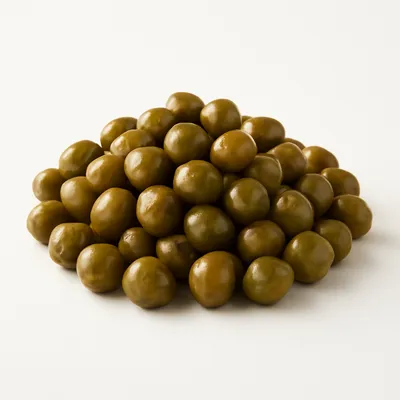
The casse-croûte's origin is preserved in Judeo-Tunisian oral tradition and placed at the end of the 19th century on the island of Djerba. The writer Albert Siméoni recorded the best-known version in his Contes et légendes de Tunisie — a legend set in 1898: as the story goes, a Jewish pauper named Banon progressively enriched his daily dry bread, reputedly first given an egg by the local jeweler Attia across the way, then adding onion, chili, potato, olives and harissa, until his sandwich drew paying customers and he opened a stall. The sardine of the early versions was later replaced by tuna as Tunisia's canning industry (including the Sidi Daoud fishery) developed in the early 20th century. The sandwich spread from Djerba to the medina of Tunis, and after much of the Judeo-Tunisian community emigrated in the 1950s–60s the tradition extended to Paris's Belleville and Montmartre neighborhoods.
The crust shatters, releasing a wave of harissa heat; olive oil soaks inward to soften the crumb while tuna brine and egg-yolk richness anchor every layer; a caper's sharp burst of acidity punctuates the salt.
The baguette's open crumb acts as a liquid reservoir: olive oil, harissa and tuna brine progressively saturate the crumb matrix during the 3–5 minute rest after assembly, producing a sandwich simultaneously crisp at the crust and moist within. Harissa's capsaicin dissolves in the olive oil carrier, distributing heat evenly throughout rather than concentrating in spots. Capers' organic acids and naringenin raise fat-perception sensitivity, functioning as a palate cleanser between bites.
Variations
The complet version adds slata méchouia for smoky depth. Some vendors use kesra (round flatbread) instead of baguette; diaspora versions sometimes substitute ciabatta. Fried potato strips replace boiled potato for crunch. Preserved lemon slices and fresh chili rings are optional garnishes.
On the Palate
Where Casse-croute Tunisien sits in the Tunisian flavor cloud
Ingredients
Serves 4


How it's made
7 steps · 15 min
- 115 min
Boil eggs for 10 minutes until hard-boiled; cool, peel and slice. Fry potato strips in hot oil until golden; drain.
- 23 min
Split the baguette lengthwise and scoop out most of the interior crumb to create a trough.
- 32 min
Spread a generous layer of harissa across both inner cut surfaces.
Watch outSpread harissa across both cut faces of the bread — this oil-carried heat needs to saturate evenly, or the spice sits in hot patches.
- 42 min
Layer in drained, flaked tuna, distributing it evenly across the full length.
- 52 min
Arrange sliced hard-boiled egg and fried potato strips on top of the tuna.
- 62 min
Scatter olives and capers; drizzle olive oil generously over the filling and squeeze over lemon juice.
- 75 min
Close the sandwich, press gently, and rest 3–5 minutes before cutting and serving.
Watch outRest the assembled sandwich 3-5 minutes before cutting — the crumb needs to drink up the oil and brine so it's crisp outside, moist within.

