Crema volteada is Peru's baked caramel custard — the everyday crème caramel of Lima homes. A custard of eggs, evaporated and condensed milk and vanilla is baked gently in a mold lined with amber caramel, then chilled and turned out so the caramel runs down over a smooth, pale custard. Silky and milky-sweet under its glossy caramel cap, it is the standby celebration dessert of family tables, set in a single large ring mold and sliced for the table.


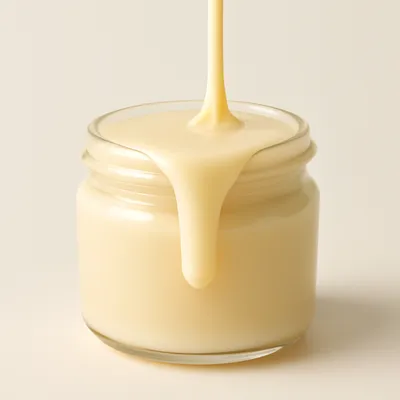
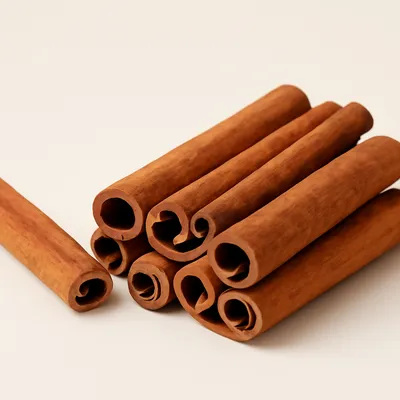
Crema volteada — literally 'turned-over cream' — is the Peruvian rendering of the caramel custard found across the Spanish-speaking world as flan, brought to Peru with Spanish colonial cooking and absorbed into the everyday home repertoire. Its Peruvian character comes from the dairy: rather than fresh milk alone, Peruvian cooks lean on canned evaporated and condensed milk, a pantry habit shared across much of Latin America that gives the custard extra richness and a faint cooked-milk sweetness. It carries no single inventor or date and is firmly a home dessert, the kind made for birthdays and Sunday lunches and set in the ubiquitous fluted ring mold. It sits in the same everyday-celebration tier as tres leches.
Turned out onto a plate, it stands as a pale ivory ring glazed in glossy amber caramel that pools around the base. The custard is dense but silky, sliceable yet melting on the tongue, with a clean egg-and-milk richness deepened by the cooked sweetness of condensed milk. The caramel layer is the counterpoint: bittersweet and faintly burnt, it cuts the richness and runs down each slice like sauce. Vanilla rounds it out. Served well chilled, it is smooth, cool and gently sweet — a quiet, classic finish.
The dessert rests on two transformations. First the caramel: sugar is melted and cooked until it browns to amber, the heat breaking it down into the bitter-aromatic compounds that balance the sweet custard; it is poured into the mold to set as a glaze. Then the custard: whole eggs set the mixture, their proteins coagulating in gentle heat to a tender gel, while evaporated and condensed milk supply body and sweetness. Baking in a water bath is key — the surrounding water holds the temperature even and below boiling, so the custard sets smooth rather than curdling or bubbling. Chilling firms it enough to unmold cleanly, and inverting lets the melted caramel flood down as sauce.
Variations
The home-standard crema volteada is an evaporated-and-condensed-milk custard with vanilla under a sugar caramel, baked in a ring mold and chilled. Common riffs flavor the custard with coffee, lucuma or a splash of pisco, and some cooks bake it in individual ramekins. It overlaps with the flan found across Latin America; the Peruvian signature is the reliance on canned milks and the large turned-out ring presentation for sharing.
On the Palate
Where Crema Volteada sits in the Peruvian flavor cloud
Ingredients
Serves 8How it's made
6 steps · 20 min active + 55 min waiting
- 18 min
Melt sugar in the mold over heat until it turns to amber caramel, then swirl to coat the base and sides.
Watch outCook the sugar just to an amber caramel before it goes in the mold — pale and it's flatly sweet, but a shade too dark tips it bitter and scorched; pull it at deep gold.
- 26 min
Whisk together the eggs, evaporated milk, condensed milk and vanilla into a smooth custard.
- 33 min
Strain the custard and pour it into the caramel-lined mold.
- 445 min
Set the mold in a water bath and bake gently until just set with a slight wobble.
Watch outBake in a water bath just until set with a slight wobble in the center — the surrounding water holds it below boiling so it sets silky; without it the custard curdles and bubbles.
- 530 min
Cool, then chill thoroughly until firm.
- 63 min
Run a knife around the edge and invert onto a plate so the caramel runs down; slice to serve.
Archive tool suggestions — not reviewed
These legacy suggestions have not been evidence-reviewed and are not presented as required tools.


