A cumin-forward Tunisian offal stew built on lamb or veal liver, sautéed in olive oil then simmered with onion, tomato paste, harissa, garlic and a generous addition of cumin (kammoun) stirred in near the end to protect its volatile aromatics; eaten communally with bread for sauce-dipping.




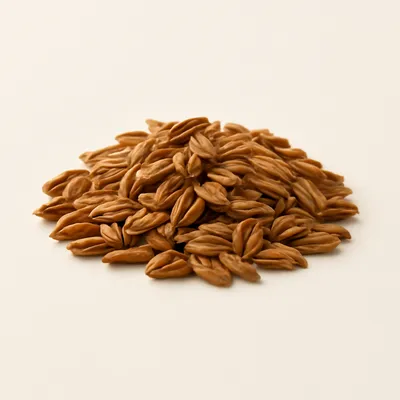

The dish takes its name from kammoun, the Arabic word for cumin, the single spice that dominates and defines it. Similar cumin-forward offal stews appear across the Maghreb and into Libya, but the Tunisian version is distinguished by its use of harissa and a tomato-forward sauce. Cumin carried significant prestige in medieval Arab medical tradition—Ibn Sina praised it for its digestive properties in his Canon of Medicine—making it the natural crown spice for an offal preparation where digestibility was culturally important. Today Kamounia is a fixture at family gatherings and market lunch counters throughout the country.
The liver is tender with a slight mineral depth; the sauce is thick, red and earthy, warming from the harissa but above all rounded and almost smoky from the cumin—a dish best finished by tearing fresh bread and mopping every last drop from the pan.
Lamb liver is extremely low in collagen and rich in glycogen and myoglobin; the initial high-heat sauté triggers rapid Maillard browning beginning around 140°C on the exterior before the interior overcooks, which is critical for both color and texture. The subsequent gentle braise in water dissolves the browned fond into the sauce; if heart or lung pieces are included, their collagen contributes gelatin, naturally thickening the liquid. Cumin is added only in the final 5 minutes because cuminaldehyde, its primary aromatic compound, is highly volatile above 100°C and would dissipate entirely during prolonged cooking.
Variations
Mixed offal version: add diced heart and lung alongside the liver for a richer, more complex stew with greater gelatin body. Aubergine variation: substitute aubergine cubes for liver for a vegetarian interpretation. Caraway version: some cooks blend in caraway (tabel-karouia) alongside the cumin for a slightly different, more pungent aromatic profile.
On the Palate
Where Kamounia sits in the Tunisian flavor cloud
Ingredients
Serves 4


How it's made
8 steps · 15 min
- 110 min
Rinse the liver, trim any membranes and bile ducts, cut into 3–4 cm cubes, and pat thoroughly dry with paper towels.
- 25 min
Heat olive oil in a wide heavy pot over high heat until shimmering; sear the liver cubes in a single layer for 2–3 minutes without stirring until browned on one side, then turn and briefly sear the other; remove and set aside.
Watch outSear the dry-patted liver in a single layer, no stirring, 2 to 3 minutes a side — crowd or move it and it steams grey instead of browning, and the color and flavor are lost.
- 36 min
Reduce heat to medium; add diced onion to the same pot and cook for 5 minutes until softened and golden, scraping up any browned bits.
- 42 min
Add crushed garlic, tomato concentrate, harissa, paprika and ground coriander; stir for 1 minute until fragrant.
- 52 min
Return the liver to the pot; pour in 400–500ml hot water, stir to combine, and bring to a simmer.
- 625 min
Cover and simmer on low heat for 20–25 minutes until the sauce is thick and the liver is cooked through.
- 75 min
Add the cumin powder 5 minutes before the end; stir and simmer uncovered to reduce the sauce slightly and concentrate the cumin aroma.
Watch outAdd the cumin only in the last 5 minutes — its aroma flashes off fast over heat, so put it in early and it cooks away to nothing.
- 82 min
Serve hot directly from the pot with fresh bread, garnished with flat-leaf parsley and raw onion if desired.


