A Judeo-Tunisian Shabbat stew in which spinach or chard is slow-fried in olive oil for up to two hours until nearly black, then combined with white beans and braised beef in a long, slow stew of extraordinary depth; typically served over couscous.
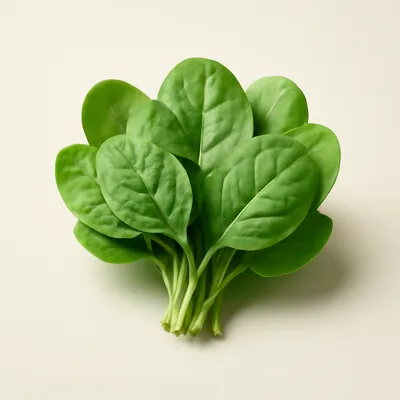




T'fina Pkaila—the Judeo-Tunisian name meaning 'buried pot of dark greens'—belongs to the t'fina tradition of overnight Shabbat cooking practised by North African Jewish communities since at least the medieval period. The word t'fina refers to the pot left in embers or a low oven after sundown Friday so that Jews observing the Shabbat prohibition on cooking could eat a warm meal at Saturday noon. Bkaila is the version uniquely developed by Tunisian Jews, distinguishable by its defining step of frying the greens to near blackness—a technique that concentrates the leaves' bitter complexity into a deep, almost umami-like depth found in no other North African stew. The dish is closely associated with the Jewish quarters of Tunis and the island of Djerba, and is documented in detail on Judeo-Tunisian culinary archives.
The braised beef is meltingly tender; the white beans are creamy and have absorbed the dark, concentrated spinach juices. The stew's flavour is unlike any other: earthy and slightly bitter from the charred greens, deeply savoury from the long-cooked beef, with an almost molasses-like sweetness from the caramelised spinach proteins.
Slow-frying the spinach for 1.5–2 hours drives off virtually all free water, concentrating the leaves to a fraction of their original volume. At temperatures above 100°C the chlorophyll molecules lose their central magnesium ion, converting to dark brown-green pheophytin; simultaneously, Maillard reactions between the leaves' amino acids and sugars build complex bitter-savoury aromatics. During the long braise, collagen in the beef slowly hydrolyses to gelatin at around 70–80°C, thickening the cooking liquid and coating the beans in a silky, glossy sauce.
Variations
Some Tunisian Jewish families use chard instead of or alongside spinach; others add a hard-boiled egg in the shell to cook in the stew overnight, a Shabbat pot-cooking custom. A version substitutes half the white beans with chickpeas. Contemporary cooks sometimes add a small amount of tomato paste, though traditionalists consider this a deviation from the original.
On the Palate
Where Bkaila sits in the Tunisian flavor cloud
Ingredients
Serves 6

How it's made
8 steps · 30 min
- 160 min
Soak white beans in cold water overnight; drain and simmer in fresh water for 45 minutes until nearly tender, then drain and reserve.
- 210 min
Wash spinach thoroughly, spin dry, and roughly chop.
- 390 min
Heat a generous amount of olive oil in a large heavy pot over medium-low heat; add all the spinach and fry, stirring every 10 minutes, for 90 minutes until the greens are very dark, almost black, and reduced to a compact mass.
Watch outSlow-fry the spinach a full 90 minutes until it's almost black and shrunk to a compact mass — this deep reduction is the whole flavor; stop early and it tastes green and thin.
- 410 min
In a separate pan, brown beef pieces in olive oil over high heat until deeply coloured on all sides; season with salt, pepper, and a pinch of cumin.
- 55 min
Add the browned beef to the dark spinach pot along with the drained white beans and enough water to just cover; bring to a boil.
- 6120 min
Reduce heat to the lowest setting, cover tightly, and braise for 2 hours until the beef is meltingly tender and the beans are fully soft.
Watch outBraise on the lowest heat 2 hours until the beef is meltingly tender — rush the heat and the meat toughens before the collagen turns to that silky sauce.
- 75 min
Taste and adjust salt; add a small spoonful of harissa if a gentle heat is desired.
- 85 min
Ladle the stew over steamed couscous and serve.


