
Pacific-coast Afro-Colombian coconut-fish stew — fresh snapper or sea bass simmered in fragrant coconut milk with cilantro, ají dulce, and the Chocó signature herb chillangua, served over white rice.



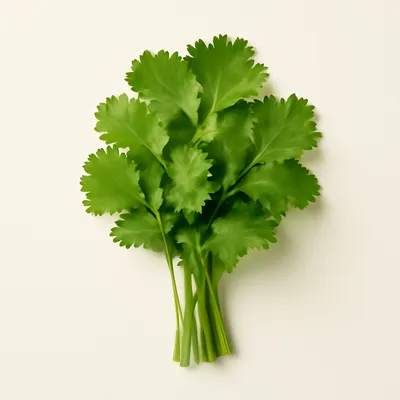
Encocado de pescado is the defining dish of Colombia's Pacific Coast — Tumaco, Buenaventura, and the entire Chocó department's coastal villages. Its roots are Afro-Colombian: enslaved Africans brought to the Pacific Coast to mine gold in the 16th century kept their West African coconut-and-palm-oil cookery, adapting it to the local snapper, sea bass, and shellfish. 'Chillangua' (the Pacific-coast name for culantro, Eryngium foetidum — a pungent cilantro relative, not actually celery, and used across the whole Pacific coast rather than endemic to Chocó) is the dish's signature; cilantro is the substitute when chillangua isn't available. Modern Pacific-Colombian restaurants in Cali and Bogotá serve encocados to broader audiences.
Pull apart a piece of fish from the encocado — the flesh flakes clean, having absorbed the coconut sauce's herbal-rich body. Spoon sauce over rice; the achiote-orange color glows. Chillangua's bright peppery-celery note keeps the coconut richness from being heavy. The Pacific Coast's signature dish in one bowl.
Annatto (achiote) is fat-soluble: the orange-red color and earthy-pepper note bond to the coconut oil during the sofrito phase, then disperse throughout the dish. Without the oil-bloom step, the achiote stays dust-bound and tastes muddy. Chillangua's volatile oils (especially in stems and roots) are similar to culantro and add 4× more peppery-celery aroma than cilantro leaves alone — the substitution to cilantro loses some of this depth.
Variations
Tumaco coastal version uses red snapper and is heavier on coconut; Buenaventura urban version often adds shrimp and squid for a mixed encocado; Quibdó inland-Chocó version uses freshwater fish (bocachico) with the same sauce.
On the Palate
Where Encocado de Pescado sits in the Colombian flavor cloud
Ingredients
Serves 4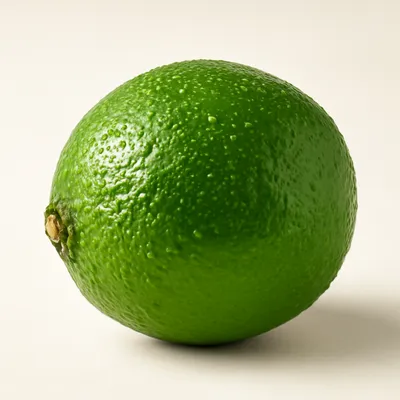

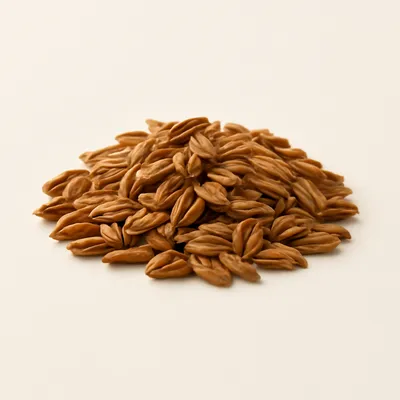


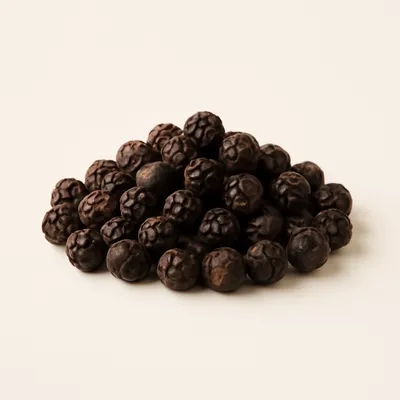

How it's made
5 steps · 35 min active + 25 min waiting
- 117 min
Season 800g red snapper or sea bass fillets (4 portions) with 1 tsp salt, 1 tsp pepper, juice of 1 lime. Rest 15 min.
- 210 min
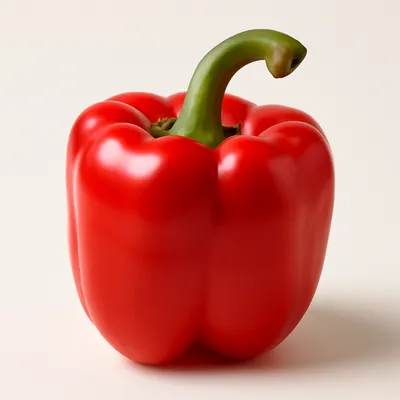
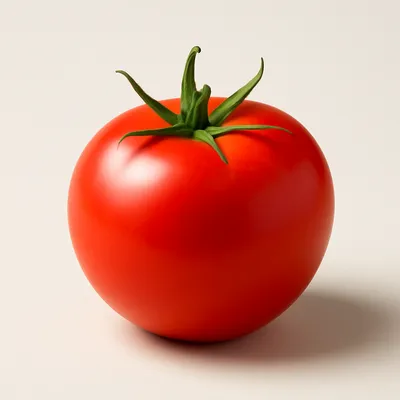
Make sofrito: in a heavy pan, heat 3 tbsp coconut oil (or vegetable oil). Sauté 1 chopped onion + 1 chopped red bell pepper + 4 minced garlic cloves + 4 ají dulce (or 1 cubanelle pepper) + 1 chopped tomato for 8 min.
Watch outSweat the sofrito vegetables slow and soft, not browned — you want them melting and sweet as the flavor base, not caramelized.
- 34 min
Add 1 tsp ground cumin + 1 tsp ground coriander + 1 tsp annatto powder (achiote) + 1 tsp salt; cook 2 min until oil reddens.
Watch outThe cue for the bloom is visual: cook until the oil around the spices turns distinctly red-orange, about two minutes.
- 410 min
Pour in 500ml coconut milk (full-fat) + 200ml coconut cream + 1 tbsp chopped chillangua (or 3 tbsp chopped cilantro stems). Simmer 8 min on medium-low until slightly thickened. Adjust salt; should be richly coconut with herbal-pepper depth.
Watch outSimmer the sauce until it just coats the back of a spoon — richly coconut with a peppery-herbal depth before the fish goes in.
- 59 min
Lower the fish fillets into the simmering coconut sauce. Spoon sauce over the top. Cover and gently cook 8-10 min until fish flakes easily. Top with chopped chillangua (or cilantro) and serve over white rice with patacones.
Archive tool suggestions — not reviewed
These legacy suggestions have not been evidence-reviewed and are not presented as required tools.


