
The Dominican weeknight standard — chicken pieces seared then braised in a sofrito-tomato sauce with olives, capers, and a touch of brown sugar for the signature sweet-savory edge. Eaten with white rice and red beans, sometimes a side of tostones. What every Dominican household cooks at least once a week.
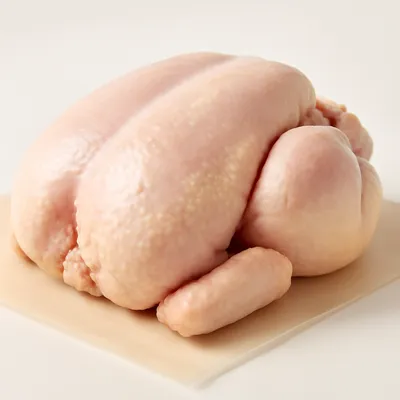

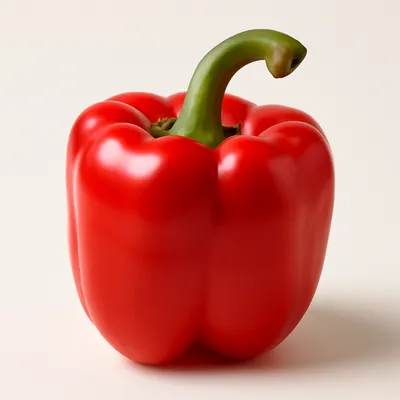

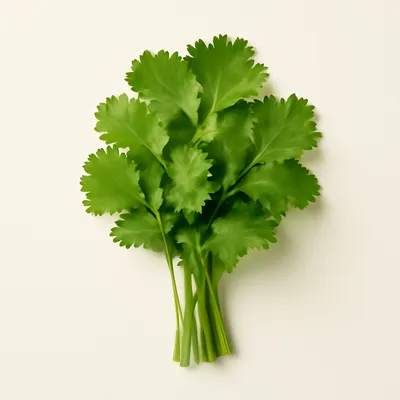

Pollo guisado exists across Latin America; the Dominican signature is not extra sweetness in the sauce but the azúcar quemada ('burnt sugar') technique used to brown the chicken — sugar is melted in hot oil until amber, and the chicken is turned in it for a deep reddish color and only a faint caramel undertone, after which it stews in a sofrito-tomato sauce. The sofrito base — the heart of every Dominican savory dish — is the Spanish-Caribbean sofrito of onion, sweet peppers, garlic and cilantro. The same burnt-sugar coloring distinguishes it from Puerto Rican pollo guisado, which typically relies on sofrito and achiote (annatto) for color rather than caramelized sugar.
The sauce is reddish and glossy, savory-forward with only a faint caramel undertone from the burnt sugar in the back — not a sweet stew. First taste: tomato acid, then the depth of onion and pepper cooked down in the sofrito, over garlic, oregano and cilantro. Olives add brine bursts. The chicken is moist and the bone gives the sauce body; bone-in pieces braise until the meat falls from the bone. Spoon a ladle of sauce and chicken over white rice; the meal is complete.
The chicken is first marinated in sour orange or lime with garlic, oregano and seasoning, the acid lightly tenderizing the meat. The Dominican trick of azúcar quemada follows: a little sugar is caramelized in hot oil to amber, then the chicken is turned in it so the sugar sets into a thin caramel coat on the skin — this gives the dish its signature deep reddish color and faint caramel note. Crucially the sugar is only for color and depth; none is stirred into the sauce, so the dish reads savory rather than sweet. A covered ~30-minute braise with bone-in chicken in the sofrito-tomato sauce extracts collagen and gelatin from the bones into the sauce, thickening it naturally without flour.
Variations
A lighter version skips the burnt sugar for a paler, cleaner-tasting stew — closer to Puerto Rican pollo guisado. Olives are common, and some cooks add capers for a salty-tart lift. Potatoes can be added to the braise for a heartier weekday version. Festive plates sometimes add raisins for a sweet-savory note. Diaspora kitchens often use boneless thighs for ease, at some cost to the body the bones lend the sauce.
On the Palate
Where Pollo Guisado Dominicano sits in the Dominican flavor cloud
Ingredients
Serves 4


How it's made
7 steps · 30 min active + 45 min waiting
- 110 min
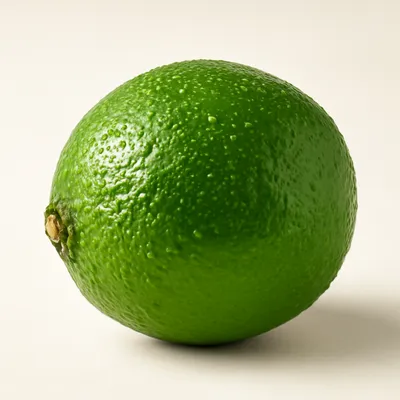
Cut 1 kg chicken into bone-in pieces. Season with garlic powder, oregano, salt, juice of 1 lime.
- 29 min
Heat 2 tbsp oil in a deep skillet. Brown chicken 4 min per side. Remove.
- 35 min
Add 1 cup sofrito (or sauté 1 onion + 1 bell pepper + 4 garlic + cilantro all chopped) 5 min.
- 43 min
Add 1 tsp brown sugar; let it bubble 30 sec to caramelize. Add 2 tbsp tomato paste, cook 2 min.
Watch outThe sugar is ready the instant it turns amber and smells nutty — go past dark brown and it's bitter.
- 53 min
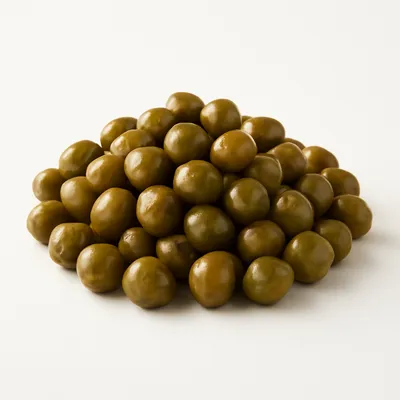
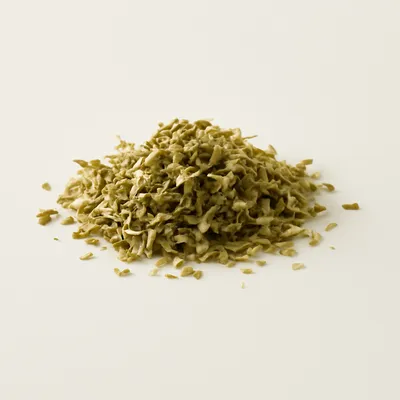
Add chicken back, 1 cup chicken stock, 2 bay leaves, ½ cup green olives, 1 tbsp capers.
- 631 min
Cover, low heat, simmer 30 min until chicken is fork-tender.
Watch outCovered and gently simmering, the chicken is done when a fork sinks in easily and the sauce has thickened.
- 76 min
Uncover, reduce 5 min. Sauce should coat chicken glossy. Serve over white rice and red beans.
Watch outUncovered, reduce until the sauce clings to the chicken in a glossy coat, not a thin puddle.


