
Dominican folk drink: a bottle or jar packed with assorted dried tree barks, roots, twigs, and herbs (cinnamon, anise, clove, allspice, plus regional roots like maguey and tilo) steeped in dark rum, red wine, and honey for several days — until the liquor turns reddish-brown, with a woody-herbal-sweet, spiced character over a rum backbone. Drunk in small shots. Crucially, the bottle isn't single-use: once the liquid is drained it is refilled with fresh rum, wine, and honey and re-steeped, the same botanicals re-infused over many years. Popularly reputed (though unproven) to be an aphrodisiac and digestive; loosely thought of as the Dominican answer to bitters or vermouth.

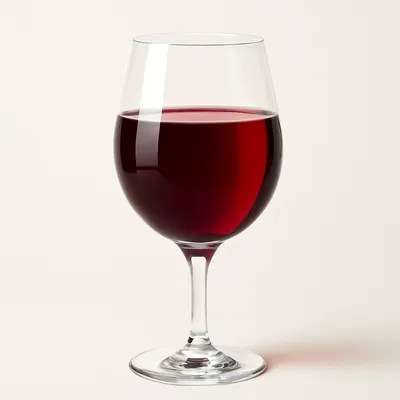
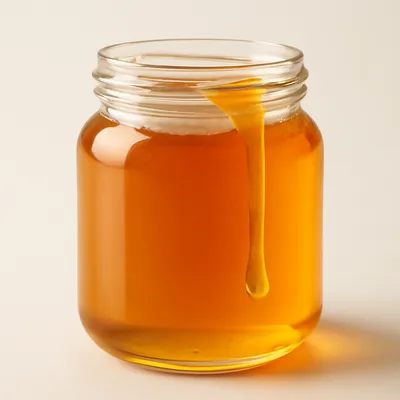
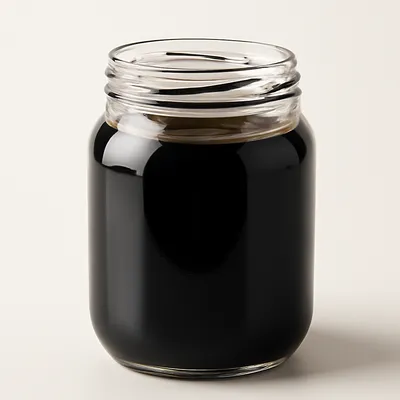

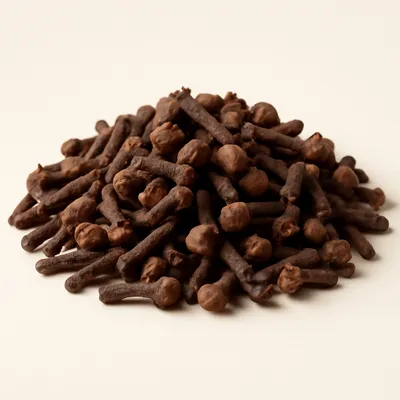
Mamajuana is the Dominican Republic's signature herbal drink, and its roots reach back to the Taíno — the island's pre-Columbian inhabitants. The original 'mamajuana' contained no alcohol at all: the Taíno steeped and simmered native bark, roots, and leaves in water as a medicinal herbal tea or decoction, a botanical-healing tradition far older than European contact. Alcohol was added only after Europeans arrived and brought rum and wine, which were mixed into the indigenous bark recipe along with honey from African-Caribbean practice; the modern drink was branded and sold as an herbal tonic around the mid-20th century. All along it has carried a folk reputation as an aphrodisiac and cure-all — it is sometimes called 'palo de indio' (Indian stick) — but these claims are popular belief, not established fact. Sold today in tall bottles with the botanical mixture visible inside; tourists buy them as souvenirs, while many Dominicans make their own.
Sip a small shot of mamajuana — first the smell: cinnamon, anise, honey, and rum, deeply aromatic. The taste is sweet-warming and herbal-spicy, with red wine acidity backing a rum backbone and honey laid underneath for sweetness; the long bark-and-root soak leaves a faint medicinal-bitter trace that is the drink's tell — woody, herbal, sweet, and spiced over rum. It warms the throat and chest. Sip it slowly rather than shooting it; it usually arrives at the end of a Dominican family meal, to be nursed alongside conversation.
Maceration extracts flavor from the bark, roots, and herbs: rum's ethanol dissolves non-polar volatile aromatics (terpenes, essential oils), while red wine's water and acidity pull out polar compounds (tannins, phenolics, sugars), and honey's sweetness offsets the bitter compounds from the bark. The first soak is often discarded to remove the harshest tannins. A week or more of steeping is needed for the aromatics to deepen and integrate; too short and it tastes thin. The defining step, though, is re-steeping: when the liquid is finished, it is strained off and the jar refilled with fresh rum, wine, and honey, the same botanicals re-infused batch after batch. A single charge of bark and roots can be reused for years — many family bottles run a decade or more — and many say it grows smoother and more seasoned with each refill.
Variations
Recipes vary household to household, mostly in the spice and honey ratios. Some lean on a particular medicinal bark for a more bitter, assertive infusion; honey-forward versions add more honey and drop the molasses for a sweeter, easier drink. Steeping time varies too — aging the maceration a month or more yields a deeper, smoother, more integrated result. Spirit swaps abound: light rum in place of dark gives a cleaner, less caramel-toned drink, while substituting brandy for rum makes a more European-leaning interpretation. Pre-prepared bottled mamajuana, with the botanicals visible inside the bottle, is also sold to tourists.
On the Palate
Where Mamajuana sits in the Dominican flavor cloud
Ingredients
Serves 12



How it's made
10 steps · 30 min active + 6 days 23 hours 30 min waiting
- 111 min
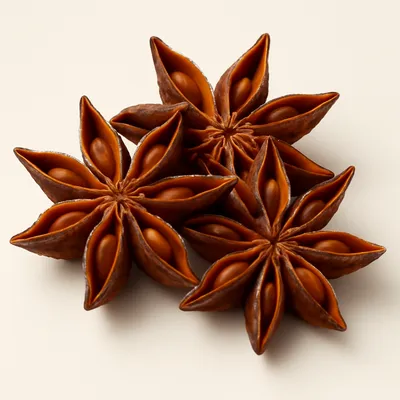
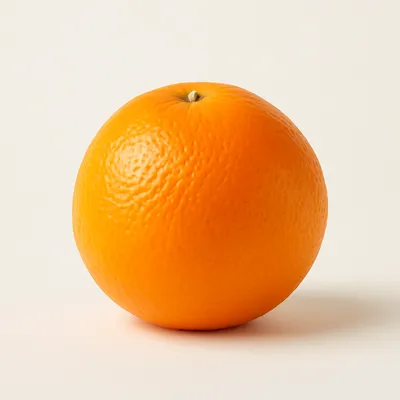
Source the dry ingredients: in a large jar or bottle (1-liter glass), combine 6 cinnamon sticks (broken in half) + 6 whole cloves + 10 allspice berries + 4 star anise pods + 2 tbsp dried hibiscus flowers (jamaica) + 2 tbsp dried lemongrass + 2 tbsp dried orange peel + 1 tbsp ginger root pieces (dried) + 1 tsp licorice root.
- 24 min
Optional traditional Dominican roots (find at Latin groceries or specialty herb shops): 2 tbsp 'palo de Brasil' (Brasilian wood) + 1 tbsp 'palo de cuaba' + 1 tbsp 'tilo' (linden bark) — these are the regional roots; if unavailable, the simpler herb mix is fine.
- 31442 min
Initial steep: pour 200 ml dark rum + 200 ml red wine (Dominican Don Q-style or generic medium-bodied red) over the herbs. Cover; let macerate 24 hours in a cool dark place. Strain off this 'first liquid' and DISCARD — it carries the bitter/tannic compounds you don't want.
Watch outStrain off that first 24-hour soak and throw it away — this is what carries off the harshest bitter-tannic edge from the bark and roots.
- 45 min
Second steep (the actual mamajuana): pour 200 ml fresh dark rum + 400 ml red wine + 6 tbsp honey + 1 tbsp dark molasses over the same herbs (don't replace them). Stir gently to dissolve honey.
Watch outStir gently until the honey fully dissolves into the rum and wine — undissolved honey settles and sweetens unevenly.
- 510081 min
Cap the jar tightly. Store in a cool dark place 7 days minimum — flavor develops with longer maceration (some Dominicans keep mamajuana for months, topping up with fresh rum and honey).
- 61 min
Shake the jar gently once a day for the first 5 days.
- 73 min
Test after 7 days: pour a small shot; smell — should be deeply aromatic with cinnamon-spice-honey-anise notes. Taste — should be sweet-warming-herbal-spicy with rum backbone and red-wine acidity.
Watch outAfter a week, a small pour should smell deeply of cinnamon, spice and honey — if it still smells thin and sharp, let it steep longer.
- 84 min
If desired, strain into a clean bottle to slow further maceration. Or leave the herbs in for continued flavor development.
- 96 min
Top up after each use: as you drink it down, add fresh rum (about 100 ml per refill) + 1 tbsp honey to the same herb mixture. A single batch of herbs can flavor 3-4 refills before becoming weak.
- 102 min
Serve: pour into shot glasses or small wine glasses. Drink chilled or at room temperature. Pairs with rich Dominican meals or as an evening digestif.


