
A smooth, lightly fermented northern Nigerian drink made from soaked and ground millet or sorghum, spiced with ginger and sometimes chilli, then strained into a creamy, pourable beverage. 'Zaki' means sweet in Hausa, and the drink is gently tangy, warming and faintly grainy.
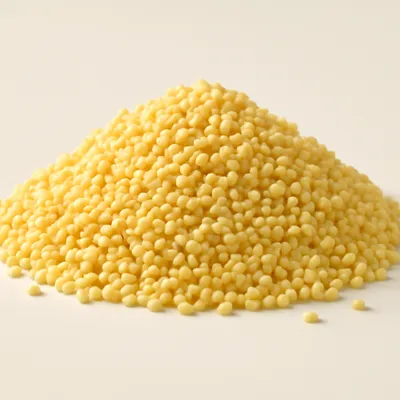



Kunun zaki belongs to the Hausa-Fulani north, where the semi-arid Sahel favors hardy pearl millet and sorghum over wheat or rice, so milling grain into a fermented, sweetened drink became a natural use of the staple. For centuries it has been hawked from clay pots by women vendors at city markets in Kano and Sokoto — an everyday street refresher. It is sometimes said to have once been a ceremonial drink offered to visiting caravans in the courts of the northern (Habe) kings, though such courtly origins are traditional and unverified. Whatever its older standing, today it remains a daily refresher across northern Nigeria, especially welcome when breaking the fast or cooling off in the dry-season heat.
Creamy and lightly sweet, with a fresh ginger heat that builds and a faint sour edge from the brief fermentation. The texture is smooth but full-bodied, almost like a thin grain milk. Cold and spiced, it is both nourishing and reviving.
Soaking and grinding breaks the grain down so its starch and flavour release into the liquid. Cooking part of the slurry gelatinises the starch for body, while the brief fermentation develops the characteristic mild sourness and aroma.
Variations
Made with peanuts (kunu gyada) or tiger nuts (kunu aya), with tamarind for tartness, or with added sweet potato for body
On the Palate
Where Kunun Zaki sits in the Nigerian flavor cloud
Ingredients
Serves 6How it's made
8 steps · 20 min
- 13 min
Rinse the millet or sorghum and soak it in water overnight to soften.
- 25 min
Drain and blend the soaked grain with fresh ginger and a little chilli until smooth.
- 32 min
Divide the slurry, setting aside a portion to thicken the drink later.
- 44 min
Add boiling water to the larger portion to partially cook and gelatinise the starch.
Watch outPour the boiling water in fast while stirring; the slurry should turn from milky to thicker and translucent as the starch cooks — that thickening is the sign it's done.
- 53 min
Stir the reserved raw slurry into the warm mixture to thin and brighten it.
Watch outStir the raw reserved slurry back in only once the hot mixture has cooled a bit, so it thins and freshens the drink without cooking into lumps.
- 65 min
Sweeten to taste and let the drink ferment briefly for a gentle tang.
Watch outFerment just until you catch a faint pleasant tang and a gentle sour smell — leave it too long and it turns sharply, unpleasantly sour.
- 75 min
Strain through a fine sieve or cloth to remove the grainy solids.
- 83 min
Chill well and serve cold.


