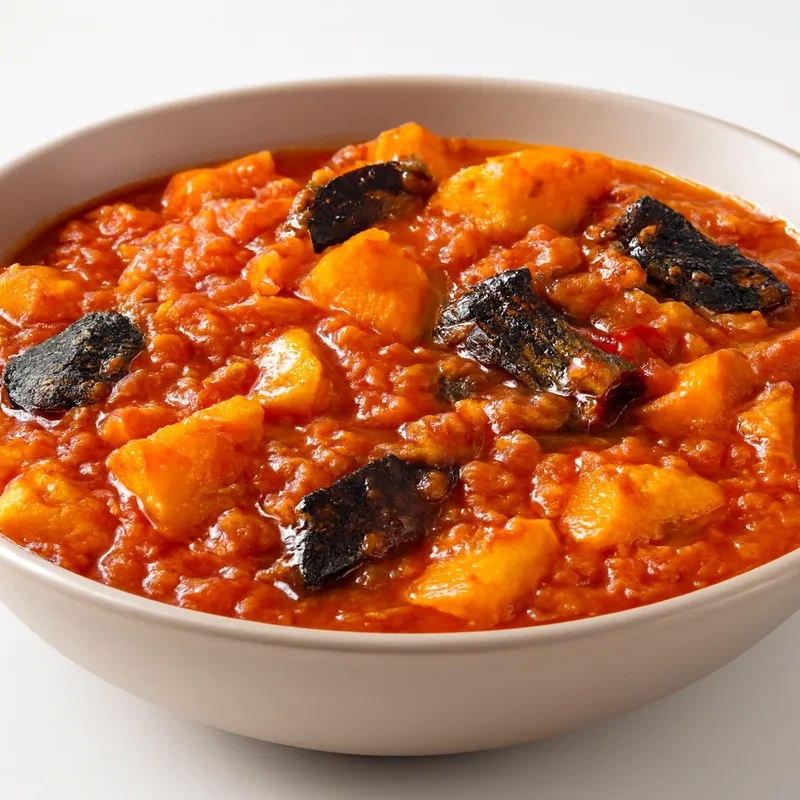
This soup, dense with palm fruit richness, envelops catfish and beef in a fragrant, spicy embrace.

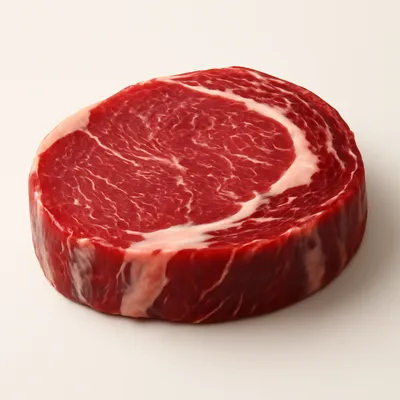
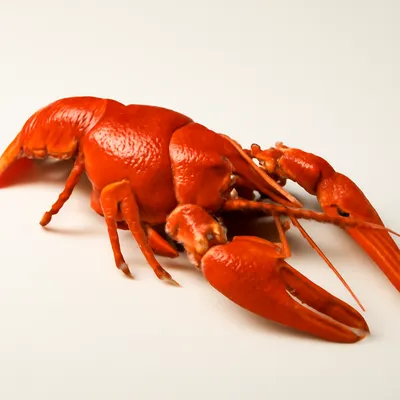


Despite the cuisine tag, banga is most strongly associated with the Urhobo and Itsekiri of the Niger Delta (Delta State) — the Igbo Anambra version exists but is the cousin, not the parent. The dish predates colonial contact and was historically a riverine meal: palm fruit was abundant in the delta swamps, fish came from the same rivers. The pulp-based technique distinguishes it from oil-only soups inland.
Most strongly Urhobo and Itsekiri of the Niger Delta, not Igbo proper. Real banga is fresh palm-fruit pulp pressed by hand — fruits boiled, pounded, squeezed through water — not refined palm oil. The piney resin is beletientien; canned banga concentrate gives the giveaway uniform color.
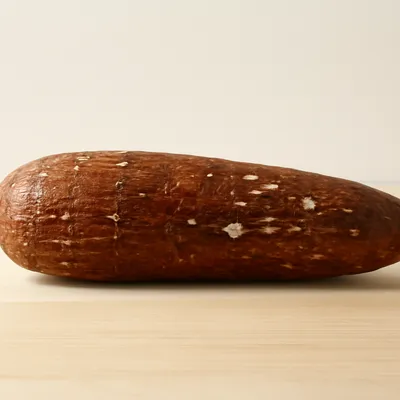
Burnt-orange soup with a glossy oil layer and a thin film of palm-fruit pulp suspended in it, smelling of smoked fish, the local soup leaf, and a peppery, almost resinous, woody aroma. Catfish, goat meat, or beef sit at the bottom; the broth is loose enough to drink from a spoon. Served with starch (a stiff cassava paste) or eba. The aroma is unlike groundnut or egusi soups — earthy and almost piney.
The pulp is what matters. Palm fruits are boiled until soft, pounded, then squeezed through water to release the orange pulp while the fibrous shells are discarded — that pulp, not refined palm oil, is the base. It is then simmered with banga spices — the beletientien leaf (often replaced with bitter leaf), the aromatic oburunbebe stick, and seeds like ataiko — together with catfish, beef or dried fish, until rich and reddish. The oburunbebe stick is added near the end and steeped about ten minutes; its botanical identity is debated (variously linked to a mangrove or to licorice). Modern shortcuts use canned banga concentrate; the giveaway is uniform color and thin body. Real fresh-pressed banga has visible flecks and a heavier mouthfeel.
Variations
Urhobo banga (with starch from cassava as the swallow); Itsekiri banga (lighter on beletientien, more fish-forward); Igbo Anambra ofe akwu (the cousin, eaten with white rice rather than starch); Cameroonian mbanga soup is the cross-border same-tree relative.
On the Palate
Where Banga Soup sits in the Nigerian flavor cloud
Ingredients


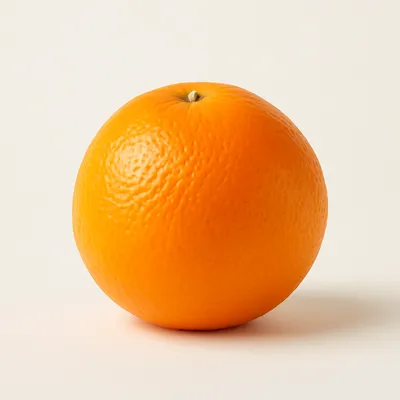
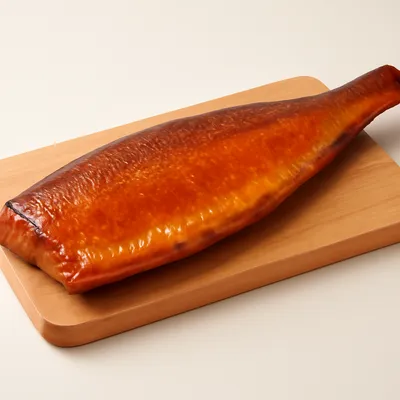



How it's made
5 steps · 2 hours
- 127 min
Boil palm fruit concentrate until thick.
Watch outSimmer the pulp down until it darkens and thickens and reddish oil rises to the top — that's the base ready.
- 251 min
Add banga spice, crayfish, and let the mixture simmer.
Watch outWhen the spices and crayfish go in, the pot should smell nutty and pungent, not raw — give it time to bloom.
- 317 min
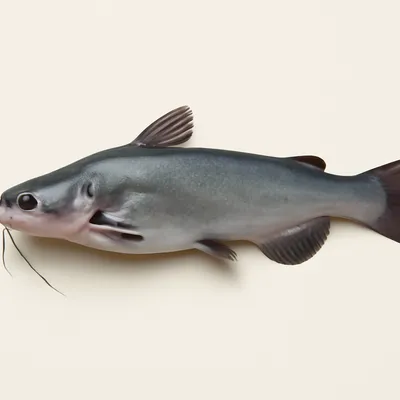
Introduce catfish and beef, cooking until tender.
Watch outSlide the catfish in gently and don't stir too much, or the soft fish breaks apart into the soup.
- 417 min
Flavor with scent leaves and beletientien.
- 57 min
Serve hot, ensuring all ingredients are well incorporated.
Archive tool suggestions — not reviewed
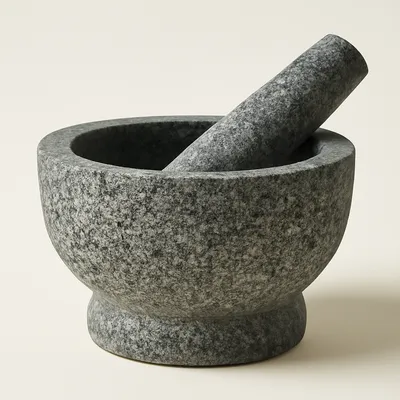
These legacy suggestions have not been evidence-reviewed and are not presented as required tools.