

Igbo Nigerian
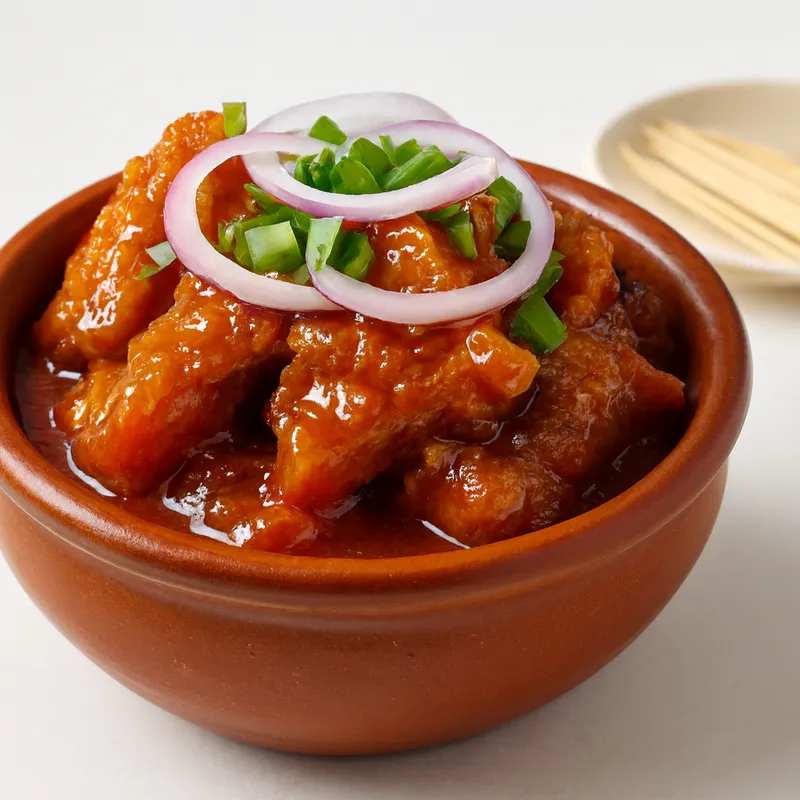
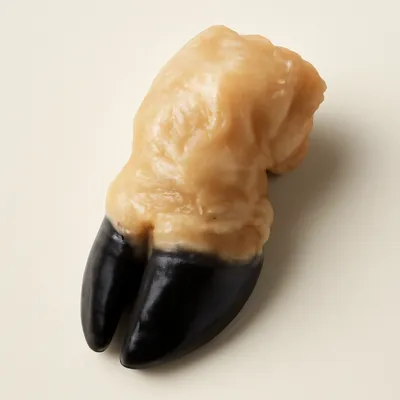
Nkwobi: cow-foot palm-oil.
Nkwobi
Cow foot delicacy cooked in spicy palm oil sauce
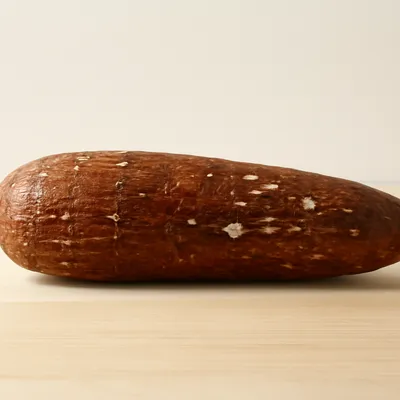
View page →Igbo cuisine is southeastern Nigerian — palm oil land, palm wine country, and a kitchen built on yam, cassava, palm nut, and forest leaves. Nkwobi is the regional bar food: cow-foot pieces simmered with potash, then tossed in a spicy mix of palm oil, utazi leaves, onion, and chili — served at room temperature in carved wooden bowls with a glass of palm wine. Ofe nsala (white soup) uses no palm oil — fish or chicken in a clear pepper broth with uziza leaves and yam-flour thickener — eaten when palm oil is being avoided (e.g., postpartum mothers). Ofe akwu uses palm nut paste extracted from the fruit (the same soup is called Banga in the Niger Delta). Oha soup uses the regional oha leaf. The cuisine is palm-oil-driven, forest-leaf-distinctive, and culturally distinct from the Yoruba southwest and Hausa north.
Start Here
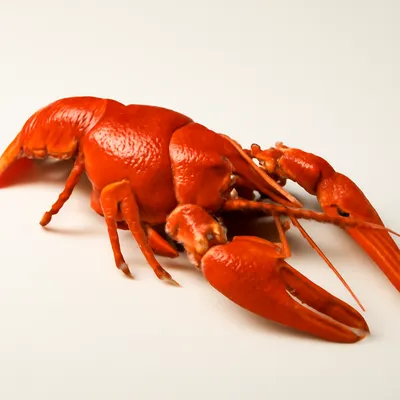
Cow-foot pieces simmered with potash until tender, then mixed with hot palm oil, utazi leaves, sliced onion, ground crayfish, and ground habanero. Served at room temperature in wooden bowls.
Why start here · Nkwobi is Igbo bar food par excellence — eaten with palm wine, between friends, after work. The room-temperature gel from the cow-foot collagen is what makes it Nkwobi.
Palm-nut fruit pulp (extracted from the kernel, not palm oil) simmered into a rich red-orange broth with fish, beef, beletientien spice, and bitter leaf.
Why start here · Banga is Igbo soup at its most regional — palm-nut fruit pulp is rare elsewhere. The starting ingredient is what distinguishes it from other African palm-driven soups.
The Pantry



See all 34 ingredients›






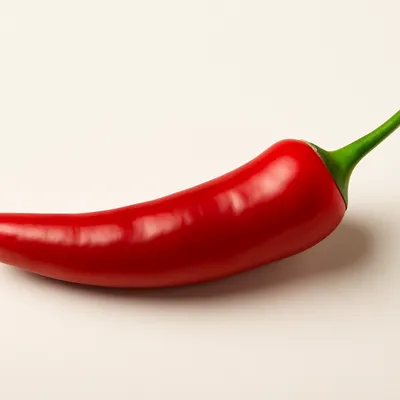
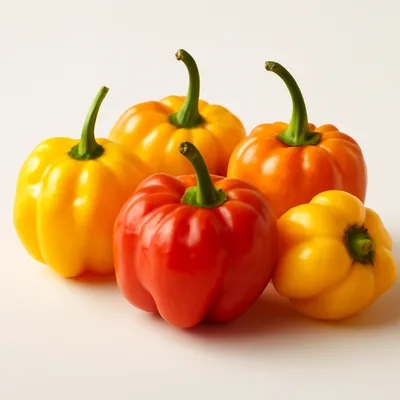


Grains & Staples
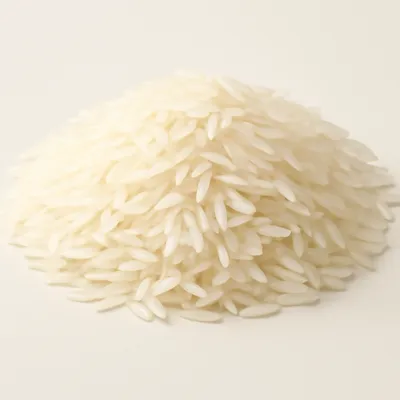


Dairy & Fats
Sauces & Condiments


How They Cook
Techniques that define this cuisine
See 1 more techniques›
Other regions
Siblings within Nigerian — each its own tradition.