
Dominican coastal coconut fish stew from the Samaná Peninsula: whole snapper or grouper simmered in coconut milk with onion, garlic, bell pepper, tomato, scotch bonnet, fresh cilantro, and lime — the fish absorbs the rich coconut sauce while staying tender. Eaten with white rice and tostones. The signature dish of the northeastern coast where descendants of African and Caribbean immigrants developed it.
Pescado con coco is the signature dish of the Samaná Peninsula in northeastern Dominican Republic, a culturally distinct enclave. Beginning in 1824, freed African Americans emigrated from the eastern-seaboard United States to Samaná — then under Haitian rule — drawn by Haitian president Jean-Pierre Boyer's pro-African immigration policy and organized through Bishop Richard Allen's African Methodist Episcopal (AME) Church. These 'Samaná Americans' brought Southern-US and West African foodways, and stewing fish in coconut milk traces directly to West African tradition. Later, English-speaking Caribbean migrants — including sugar-plantation workers from the Lesser Antilles (broadly called 'cocolos,' though that term more precisely denotes the communities around San Pedro de Macorís in the southeast) — added to the mix. Predominantly Protestant in a largely Catholic Spanish-Dominican country, Samaná retained English-speaking villages and Methodist churches, and a coconut-forward coastal cuisine more akin to the Bahamas or Saint Vincent than to Santo Domingo — distinct from the rest of the country's tomato-and-sofrito fish preparations.
Pull off a piece of fish — flakes easily, flesh is moist and infused with coconut-tomato-spice sauce. Spoon coconut sauce over rice; the sauce flows down golden-orange-creamy. Each bite combines tender fish + rice + sauce — a balance of richness (coconut), brightness (lime + tomato), heat (scotch bonnet), and herbal freshness (cilantro + thyme). Different from Santo Domingo fish preparations: more coconut, less tomato dominance, more cilantro freshness. Distinctly Samaná-Caribbean.
Coconut milk's fat content (about 24% in full-fat canned) creates an emulsified sauce when combined with the watery tomato + fish stock; the natural emulsifiers in coconut (mono- and diglycerides) stabilize the mixture. Whole fish cooks more evenly than fillets because the bone conducts heat to the center. Scoring the fish allows marinade and sauce to penetrate to the bone, ensuring even seasoning. The brief flip mid-cook (rather than continuous turning) prevents fish breakage. Lime added at the end preserves the volatile aromatics from heat denaturation. Cilantro's volatile oils (especially aldehydes) provide top-note freshness that long-cooked herbs lack.
Variations
Shrimp version (camarones con coco) uses peeled shrimp instead of whole fish — 8-min total cook. Crab version (cangrejo con coco) uses stone crab claws. Lobster con coco is the festival luxury version with split lobster tails. Inland Dominican version uses river fish (tilapia) — milder. Diaspora version uses cod or sea bass fillets — easier than whole fish, less traditional but works. Spicy version doubles scotch bonnet for heat-lovers.
On the Palate
Where Pescado con Coco sits in the Dominican flavor cloud
Ingredients
Serves 4














How it's made
11 steps · 30 min active + 45 min waiting
- 14 min
Prep fish: 2 whole red snapper (or grouper, sea bass), about 600 g each, cleaned and scaled. Score on both sides with 3 diagonal cuts each.
Watch outCut the diagonal slashes down to the bone — that's how the marinade and sauce reach the center and season the fish through.
- 232 min
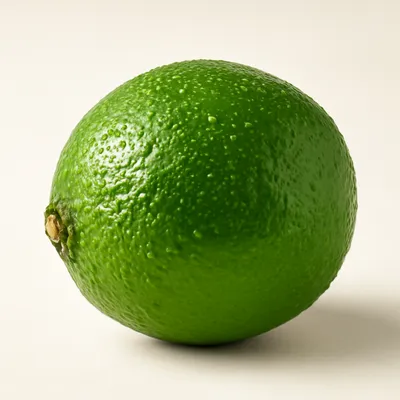
Marinade: in a bowl, whisk 4 minced garlic cloves + 1 tsp salt + ½ tsp black pepper + ½ tsp dried oregano + 1 tsp paprika + juice of 2 limes + 1 tsp Worcestershire sauce. Rub onto fish, including the cavity. Rest 30 min.
- 38 min
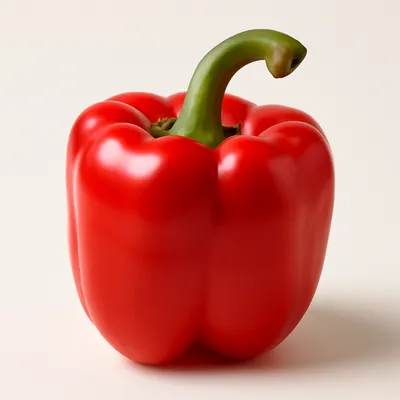
Make sauce base: in a wide deep skillet, heat 3 tbsp olive oil over medium. Add 1 chopped onion + 1 chopped red bell pepper + 1 chopped green bell pepper. Cook 6 min until softened.
- 44 min
Add 4 minced garlic cloves + 1 chopped scotch bonnet (deseeded for less heat) + 2 tbsp tomato paste. Cook 2 min.
- 58 min
Add 2 diced tomatoes + 1 tsp ground cumin + 1 tsp ground coriander + ½ tsp ground turmeric. Cook 6 min until tomatoes break down into a chunky paste.
Watch outCook the tomatoes down until they collapse into a chunky paste — the sauce base needs to lose its raw-tomato edge before the coconut milk goes in.
- 64 min
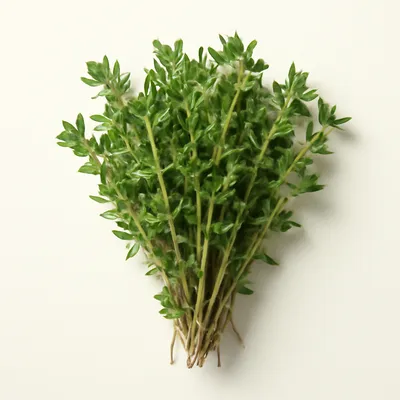
Add 400 ml coconut milk (canned, full-fat) + 200 ml fish stock or water + 1 bay leaf + 4 sprigs thyme + 1 tsp salt. Stir; bring to a gentle simmer.
- 74 min
Nestle the marinated fish into the sauce (whole fish, side by side). Spoon some sauce over the top.
- 822 min
Cover; simmer 12 min on low. Flip the fish carefully using two spatulas. Re-cover; simmer 8 more min.
Watch outFlip once, gently, with two spatulas — turning it over and over shreds the flesh and the fish falls apart.
- 93 min
Check doneness: fish flesh should be just-opaque and flake easily near the bone. Sauce should be thickened to a coating consistency.
Watch outIt's done when the flesh flakes easily off the bone and turns from glassy to opaque; the sauce should coat the back of a spoon.
- 103 min
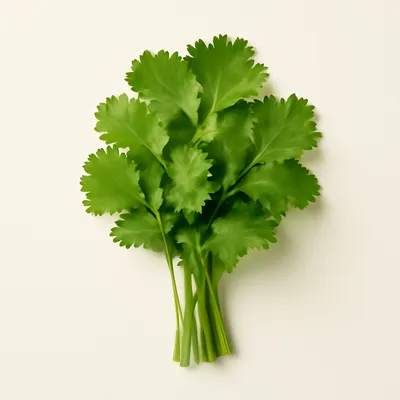
Optional: add 100 g chopped fresh tomato + 3 tbsp chopped cilantro + juice of 1 lime. Stir gently to incorporate without breaking the fish.
- 115 min
Serve hot in deep bowls or family-style: whole fish in the center, coconut sauce ladled over, garnished with extra cilantro and lime wedges. Side of white rice and tostones.


