


Panela production goes back to 17th-century sugarcane haciendas in Cundinamarca, Boyacá, and Santander. Aguapanela became the daily worker's drink — cheaper than coffee, faster than chocolate, calorie-dense for highland labor. Colombia is the world's second-largest panela producer.
Panela was declared cultural patrimony by the Colombian Ministry of Culture in 2018. The traditional trapiche (sugar press) and copper-pot evaporation are still used in Boyacá villages where industrial sugar never displaced it.
Amber-brown, deeply caramel-sweet with a faint mineral edge from the unrefined sugar. Hot version warms the chest like chicken broth; cold version (con limón) is the standard post-soccer drink. The cheese-cube version melts strings as you sip.
Panela is sold as solid blocks (one block = roughly 250 g). Snap a chunk into a saucepan, cover with water (1:6 ratio for sipping strength), heat until dissolved. The mineral and molasses notes only survive if it's panela, not white sugar — that's the entire point.
Variations
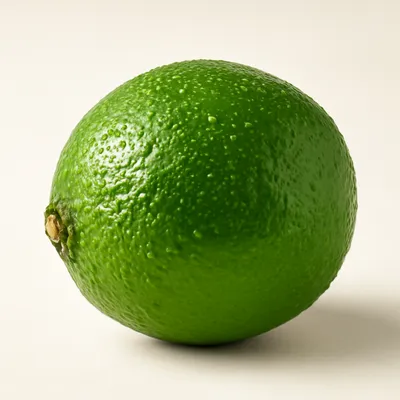
Aguapanela con limón: cold with lime juice, the post-exercise version. Aguapanela con queso: hot, fresh white cheese cubes dropped in. Aguapanela con leche: half milk replaces half water, the breakfast version.
On the Palate
Where Aguapanela sits in the Colombian flavor cloud
Ingredients
Serves 4How it's made
3 steps · 9 min active + 2 min waiting
- 18 min
Bring 1 L water to boil; add 200 g chopped panela.
Watch outKeep it at a low simmer and stir until no grit is left on the spoon — the panela must dissolve completely or you'll get sludge at the bottom.
- 22 min
Stir until fully dissolved; serve hot or chill.
- 31 min
Optional: serve with lime juice or cubes of white cheese.


