



Andean adaptation of the Spanish-Galician empanada, with masarepa replacing wheat dough — corn was the indigenous staple. The deep-fry-not-bake choice came from street vendors; the half-moon disc shape has been documented since at least the 1920s in Bogotá and Medellín.
Distinct from Argentinian empanadas, which use wheat dough and are baked. Bogotá's Empanadas de Inés on Carrera 7 has been frying the same recipe since 1957, queue around the block at 6 pm.
Crisp shatter on the outside, dense corn-cake texture inside, beef-potato hash with cumin steam. Always half-moon, never disc. The aji picante on top (cilantro + scallion + lime + chili + vinegar) is what makes the bite — the empanada alone is one-note.
Masarepa dough must be soft enough to plié without cracking but firm enough to seal — the test is pressing edges with a fork. Filling cooled before sealing or steam blows the seam. Oil at 180°C; cooler and the dough drinks oil, hotter and it scorches.
Variations
Empanadas vallunas (Valle del Cauca/Cali): smaller, with very thin shells, shredded beef and yellow/criollo potato, and plain flat edges — versus the Antioquia/paisa version's ground beef and crimped edges. Empanadas de pipián (Nariño/Cauca): peanut-and-yellow-potato filling, no beef. Empanadas de cambray (Antioquia): sweet, with cinnamon and raisin.
On the Palate
Where Empanadas Colombianas sits in the Colombian flavor cloud
Ingredients
Serves 6
How it's made
5 steps · 31 min active + 6 min waiting
- 16 min
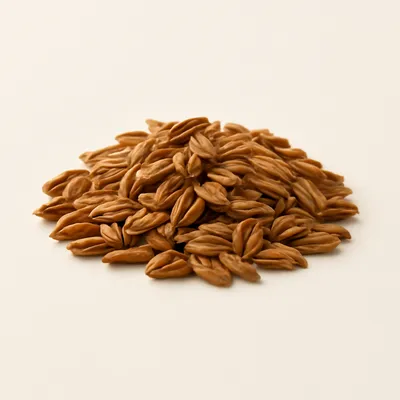
Make dough: 250 g yellow masarepa + 1 tsp salt + 1 tsp achiote + 400 ml warm water; rest 5 min.
Watch outThe dough should fold without cracking but still hold a sealed edge — if it splits when you bend it, work in a splash more warm water.
- 28 min
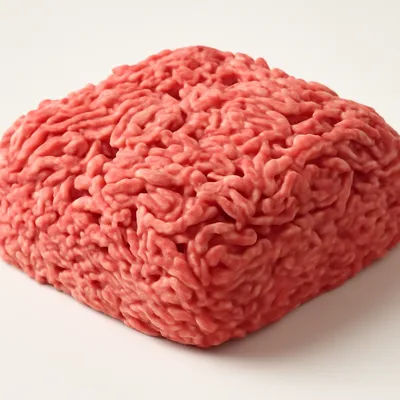
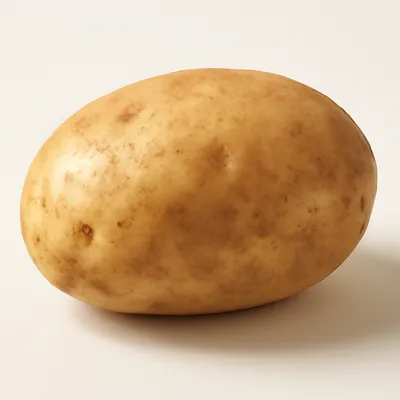
Mix filling: 300 g cooked ground beef + 200 g mashed potato + onion + cumin + salt.
- 315 min
Roll dough flat; fill with 2 tbsp; fold into half-moons; crimp edges.
Watch outSeal the half-moons and press the edge firmly with a fork — trapped steam blows the seam open in the oil if it's loose.
- 45 min
Deep-fry in 180 °C oil 5 min until crisp golden.
Watch outHold the oil right at temperature — cooler and the dough drinks oil and goes soggy, hotter and the shell scorches before it crisps.
- 53 min
Serve hot with aji picante salsa.
Archive tool suggestions — not reviewed
These legacy suggestions have not been evidence-reviewed and are not presented as required tools.


