
Anise-flavored sugarcane spirit, 24-29% ABV. The Colombian party drink. Antioquia (Antioqueño) and Caldas (Cristal) brands dominate, each region loyal to its own.



Spanish colonial-era state monopolies on aguardiente date to 1736 royal decree. After independence, each Colombian department kept its own licorera (state liquor company). Antioqueño dates to 1919, Cristal's formula to 1950 (the Industria Licorera de Caldas itself dates to the 1920s, but the Aguardiente Cristal recipe was created by chemist Sergio Castro Brandom in 1950) — both still state-owned.
Antioqueño Sin Azúcar (sugarless version) launched 2010 and now outsells the original — millennial drinkers traded sweetness for lower hangover. The plastic-bottle media-vela (375 ml) is the standard street-party unit.
Clear, slightly viscous, sweet anise rises before the alcohol heat. Drunk neat in 30-ml shot glasses (copas), back-to-back, never sipped. The mouthfeel is closer to ouzo than to vodka. Hangover next-day is real — the anise oil and added sugar see to it.
Sugarcane spirit (rectified to ~95% ABV) is cut with water to 24-29%, sweetened, then flavored with anise (aniseed essence). Each licorera guards its anise ratio. The added sugar is what distinguishes Colombian aguardiente from anise spirits like raki or arak.
Variations
Aguardiente Antioqueño (Medellín): drier, less anise. Aguardiente Cristal (Caldas): sweeter, more aromatic. Aguardiente del Cauca: smaller-batch, sugar-cane-forward profile from Cauca Valley.
On the Palate
Where Aguardiente sits in the Colombian flavor cloud
Ingredients
Serves 1How it's made
4 steps · 7 days 5 min active + 2 days 16 hours waiting
- 13600 min
Crush sugarcane juice; ferment 2–3 days into sugarcane wine.
- 2240 min
Distill once in column still to 70% ABV; reduce.
Watch outTake only the clean middle of the run — the sharp-smelling first and last drops carry off-flavors you don't want in the bottle.
- 310080 min
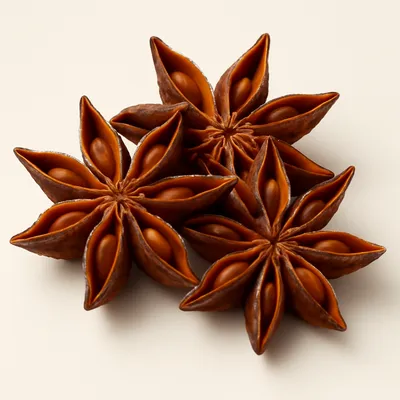
Infuse with star anise + sugar 1 week; filter.
Watch outSteep the anise about a week and taste — you want a clear licorice note without the sugar turning it cloying.
- 45 min
Bottle at 24–29% ABV.


