Tunisian tripe ragout — sheep's stomach simmered with chickpeas, tomato paste, harissa, coriander, and cumin into a thick, fiery rust-red sauce, finished with lemon; the Sfax version adds potatoes for extra body.





Chmenka is a slow-cooked offal dish from the communal kitchens of the Tunis medina, one of the oldest preparations in that tradition. It is often set alongside akod, a Tunisian Jewish tripe dish scented with cumin, garlic, tomato, and harissa: the two share a Maghrebi aromatic spine rather than a documented common origin. Chmenka runs heart and liver alongside the tripe and adds chickpeas for sustenance. In Sfax — the coastal commercial capital of southern Tunisia — cooks incorporate potatoes into the sauce, making the dish hearty enough to stand alone as a mid-week family meal. Across the Maghreb its cousins include Algeria's douara (with zucchini and carrots) and Morocco's tajine al-guezar, the butcher's pot, which omits tomato entirely and relies on cumin and paprika alone.
Bold and deeply spiced — harissa heat, earthy cumin, and bright coriander merge in a thick rust-red sauce that clings to tender tripe; a squeeze of lemon at the end lifts and cuts through the richness.
Tripe's dense connective tissue requires sustained simmering (90+ minutes) to soften — collagen in the stomach wall gradually hydrolyzes into gelatin, enriching the sauce body. Chickpeas absorb the spiced liquid over the same period, swelling and releasing starch that thickens the sauce further. Harissa's capsaicin activates heat receptors without diluting the liquid, while tomato pectin aids sauce cohesion.
Variations
The Sfax variant adds potatoes for extra body. The Jewish akod excludes liver and heart but intensifies cumin. Algeria's douara adds zucchini and carrots. Morocco's tajine al-guezar omits tomato paste, relying on cumin and paprika alone.
On the Palate
Where Chmenka sits in the Tunisian flavor cloud
Ingredients
Serves 4


How it's made
9 steps · 30 min
- 125 min
Rub tripe with coarse salt and lemon juice, knead vigorously, rinse thoroughly; repeat twice. Blanch in boiling water for 15 minutes, drain, and cut into 4 cm pieces.
Watch outScrub the tripe hard with salt and lemon, then blanch — thorough cleaning is what strips the barnyard smell; skip it and no spice covers it.
- 210 min
Heat olive oil in a heavy pot over medium-high heat; add tripe and sauté for 8 minutes until lightly browned.
- 38 min
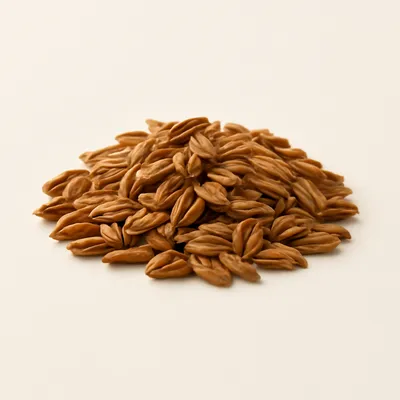
Add finely chopped onion and cook until softened; stir in harissa and a paste of pounded garlic, caraway, and ground coriander.
- 45 min
Add pre-soaked chickpeas and enough water to cover by 5 cm; bring to a boil.
- 540 min
Reduce to a steady simmer and cook uncovered for 40 minutes until chickpeas begin to soften.
- 65 min
Stir in tomato paste; season with paprika, black pepper, and salt.
- 740 min
Add zucchini or potatoes; continue simmering 30–40 minutes until tripe is very tender and sauce is thick.
Watch outSimmer until the tripe is very tender and the sauce thick — under two hours the connective tissue stays chewy and rubbery.
- 83 min
Taste and adjust harissa and salt; finish with a generous squeeze of lemon.
- 95 min
Ladle into bowls, scatter fresh cilantro over the top, and serve with crusty bread.
