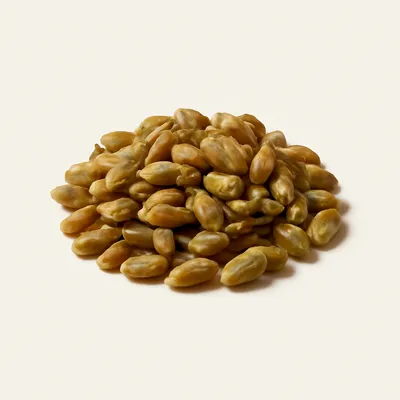





The chorba soup category entered the Maghreb via the Ottoman military presence in the sixteenth century: in the Ottoman Janissary Corps, the officer commanding each unit's cookhouse held the title meaning 'soup man,' reflecting soup's foundational role in Ottoman military provisioning. As the Ottomans consolidated rule over Tunisia, chorba became embedded in both Tunisian and Algerian culinary vocabulary. The freekeh component belongs to an older Levantine–North African tradition: the Arabic name derives from the verb meaning 'to rub,' describing the post-fire step of rubbing away charred outer chaff from immature green durum wheat harvested before full maturity and then fire-roasted. This processing tradition is documented across Syria, Lebanon, Palestine, and North Africa over several centuries. The combination of Ottoman soup framework with the Levantine fire-roasted grain became Tunisia's definitive iftar dish, confirmed by multiple Tunisian food sources as the nightly Ramadan table staple for all thirty nights of the fast.
The broth is richly smoky and nutty from fire-roasted freekeh, with a thick, porridge-like body; tender lamb releases savory fat into the base; harissa provides background heat, and dried mint cuts through with aromatic coolness on the finish.
Fire-roasting green wheat at high temperature burns the dry outer chaff while the grain's high moisture content—characteristic of immature durum wheat harvested in the milk stage—protects the kernels from combustion. The roasting generates Maillard reaction products and pyrolysis compounds including pyrazines and furans, which account for freekeh's distinctive smoky, nutty aroma. When simmered in the soup, the partially pre-gelatinized starch in the fire-toasted grain resumes gelatinization, swelling and releasing amylose that thickens the broth without any added starch. Because the grain is harvested before full starch development, freekeh has higher protein and dietary fiber and a lower starch crystallinity than mature wheat, which lowers its gelatinization onset temperature to around 65°C and gives the soup its sustained satiety.
Variations
Chicken version gives a lighter, paler broth. Algerian chorba frik uses more chickpeas and a deeper red tomato base. Levantine freekeh soups use a pale, spice-forward broth without harissa. Some Tunisian cooks substitute small pasta when freekeh is unavailable. Whole freekeh gives a chewier texture; cracked freekeh produces a finer, creamier result.
On the Palate
Where Chorba Frik (Tunisian) sits in the Tunisian flavor cloud
Ingredients
Serves 4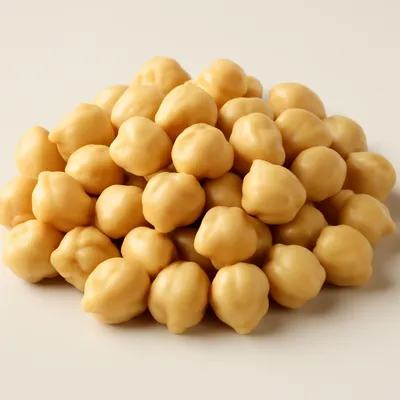


How it's made
8 steps · 12 hours
- 15 min
Rinse freekeh under cold water; dice onion, mince garlic, and cut lamb into small pieces. Ensure chickpeas have been soaked overnight and drained.
- 25 min
Heat olive oil in a large pot over medium heat; sauté onion and garlic until softened, about 5 minutes.
Watch outSauté the onion and garlic until genuinely soft and sweet before the meat goes in — rushed and pale, they leave a raw, sharp note under the soup.
- 38 min
Add lamb pieces and brown on all sides, about 8 minutes.
- 42 min
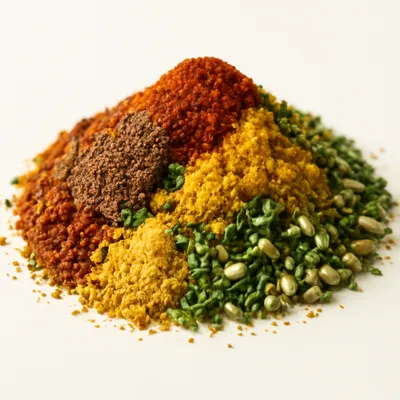
Stir in tomato paste, harissa, North African spice blend, paprika, and cayenne; cook 2 minutes until fragrant.
- 55 min
Add drained chickpeas and about 1.5 liters of water; bring to a boil.
- 62 min
Add rinsed freekeh and a stalk of celery; stir and reduce heat.
- 750 min
Cover and simmer on low heat 50 minutes until lamb is tender, freekeh has swelled, and broth is thick.
Watch outSimmer until the freekeh swells and the broth thickens on its own — the toasted grain's starch bodies it up, so don't add starch, just give it time.
- 83 min
Stir in fresh coriander and dried mint; adjust salt; serve immediately with bread.


