
Diamond-shaped semolina pastry filled with a date-paste spiced with cinnamon and orange-blossom water, deep-fried golden, then soaked in honey-orange-blossom syrup. The signature Tunisian holiday sweet from Kairouan, eaten with mint tea during Ramadan, Eid, and weddings.



Makroud (مقروض) is from Kairouan, the central Tunisian holy city — the dish has religious-and-cultural significance and is traditionally made by Kairouan-trained pastry chefs. The diamond shape is achieved with a special wooden mold (kaleb makroud). Tunisian makroud is distinct from Algerian-Moroccan makroud variants by the use of more semolina (less flour), more orange-blossom water, and the syrup-soak that gives it the glossy honey finish. Every Tunis pastry shop has its own makroud recipe guarded by family.
Bite breaks into the crackling fried semolina shell, then sinks into the dense date-paste interior — orange-blossom perfume bursts; cinnamon and cloves sit warm behind. Honey-syrup glaze gives a glossy sweet outer; the date filling is chewy-dense, sticky-rich. Mint tea cuts through; without it the sweet would be overwhelming. Kairouan in pastry form.
Semolina (durum-wheat flour) absorbs less water than soft-wheat flour, giving makroud its grainy texture distinct from European pastries. Butter-and-oil together provide both tenderness (butter) and frying-stability (oil) — the dual fat is the Maghreb pastry signature. The honey-syrup soak after frying provides flavor moisture without making the pastry soggy — the cooled pastry resists oversaturation.
Variations
Almond-paste filling replaces dates for makroud louz — Sfax specialty. Pistachio version exists in luxury Tunis pastry shops. Baked (rather than fried) makroud is the diet-conscious modern variant. Algerian makroud is shorter and uses more flour; Moroccan version is wider and uses semolina with less butter.
On the Palate
Where Makroud sits in the Tunisian flavor cloud
Ingredients
Serves 16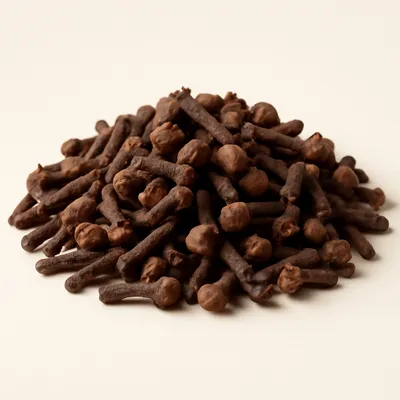




How it's made
9 steps · 1 hour 30 min active + 1 hour 30 min waiting
- 112 min
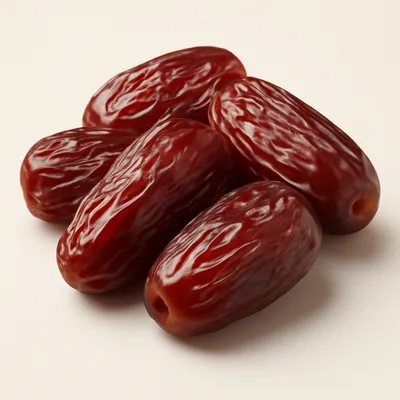
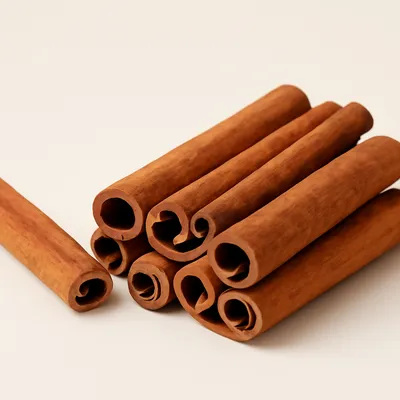
Date filling: pit 500 g soft Medjool dates (or substitute). Process in food processor with 4 tbsp olive oil + 1 tsp cinnamon + 2 tbsp orange-blossom water + zest of 1 orange + ¼ tsp cloves until smooth thick paste. Roll between hands into a 2 cm-thick rope. Cover, refrigerate.
- 214 min
Dough: combine 500 g fine semolina + 100 g flour + ¼ tsp salt in a large bowl. Pour in 200 ml warm water + 150 g melted butter + 50 g olive oil + 2 tbsp sugar. Knead 10 min to a smooth slightly oily dough. Rest covered 30 min.
- 34 min
Roll dough into a 25×30 cm rectangle, 8 mm thick. Cut into 3 strips lengthwise (each ~10 cm wide).
- 48 min
Lay the date rope along the center of each strip. Fold dough over to enclose date — like a long pasty. Roll seam-down. Repeat for all 3 strips.
- 56 min
Cut each filled rope at a 45-degree angle into 2-cm pieces (diamond shapes). Press lightly with a fork or makroud mold to imprint pattern.
- 622 min
Heat 4 cm sunflower oil to 170°C in a heavy pot. Fry makroud in batches 4-5 min per batch, turning gently, until deep golden. Lift onto rack.
Watch outHold the oil at a steady medium and fry to deep gold — too hot scorches the outside before the semolina cooks through inside.
- 77 min
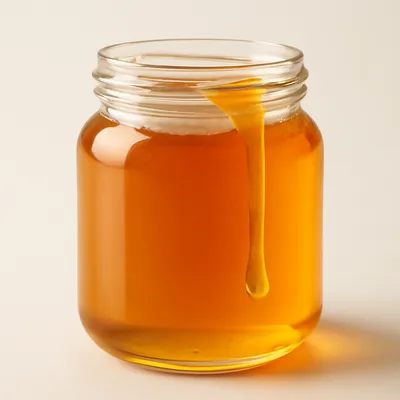
Syrup: combine 250 g honey + 80 ml water + 2 tbsp orange-blossom water + juice of ½ lemon in a small pot. Simmer 5 min until slightly thickened.
- 812 min
Dip each warm makroud into the warm syrup for 30 seconds, then lift onto a rack to drip excess syrup back into the pot. The pastry should be glossy.
Watch outDip only briefly and let the piece be cool-ish first — a warm-but-not-hot pastry drinks just enough syrup to gloss, not turn soggy.
- 995 min
Cool completely. Store in airtight container; flavor improves over 24 hours. Serve with strong mint tea.


