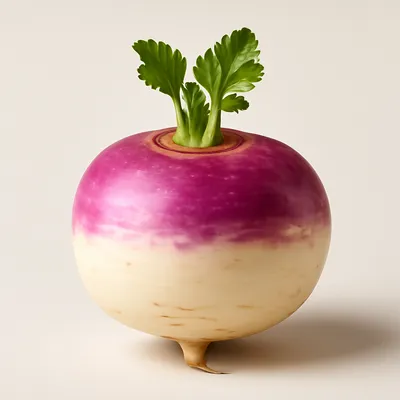
The quintessential Tunisian couscous: lamb simmered with chickpeas, turnips, carrots, and zucchini in a harissa-fired tomato broth, served over twice-steamed semolina that turns deep crimson when the sauce is ladled over. Both weekday staple and the centerpiece of Friday family gatherings, it is the dish most closely identified with Tunisian culinary life. UNESCO inscribed North African couscous on the Intangible Cultural Heritage list in December 2020.



Couscous as a grain dish entered the historical record in 13th-century Maghrebi texts: the Andalusian cookbook Fudalat al-Khiwan by Ibn Razin al-Tujibi (c. 1238–1260) and the travels of Ibn Battuta both reference couscous cooked over steam, already a fully formed preparation. The distinctly Tunisian flavor profile—harissa-spiced, tomato-red broth—crystallized after the 16th-century Ottoman period, when hot peppers reached North Africa from the New World and Tunisian cooks developed harissa from the new ingredient. UNESCO inscribed North African couscous on the Representative List of Intangible Cultural Heritage in December 2020, recognizing it as shared patrimony of Tunisia, Algeria, Morocco, and Mauritania.
Sauce-dyed semolina carrying meltingly soft lamb, sweet turnip, and a slow-building flush of harissa heat—earthy, warming, with a depth that comes only from long simmering. The grain absorbs the broth until each mouthful is simultaneously starch, meat, and spiced sauce.
Double steaming is the structural key: the first pass hydrates the semolina surface; the second—after hand-working with oil and water—allows starch granules inside each grain to fully gelatinize while the outer surface stays cohered by protein, producing fluffy, separated grains that hold their shape under sauce. The broth gains body from collagen extracted from lamb bone, which converts to gelatin above 71°C during extended simmering. Harissa's capsaicin is fat-soluble: sautéing it in the initial oil bloom disperses it evenly through the base, producing uniform, penetrating heat rather than surface burn.
Variations
Coastal versions swap lamb for fish with a coriander-cumin broth; the Sfax tradition adds merguez sausages and potatoes; western regions sometimes omit harissa for a milder paprika-and-cumin base; a legume-only version with chickpeas, squash, and turnip is common during Ramadan; Djerba prepares a regional variant where meat and vegetables are steamed directly with the semolina rather than stewed in a separate broth.
On the Palate
Where Couscous a l'Agneau sits in the Tunisian flavor cloud
Ingredients
Serves 6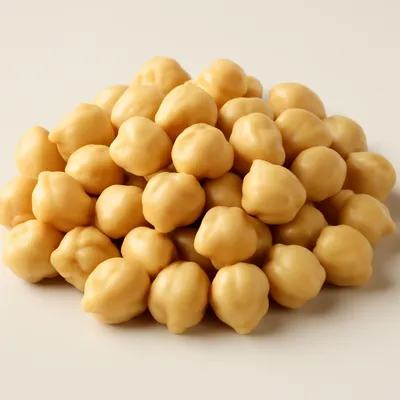


How it's made
7 steps · 20 min
- 110 min
Hydrate the semolina: pour salted water over the grain in a large bowl and rake with fingers until evenly moistened; rest for 10 minutes.
- 215 min
First steam: place the semolina in the couscousière basket over simmering water and steam for 15 minutes; turn out into a bowl and separate grains with a fork.
Watch outSteam the semolina, fork it apart, then steam a second time after oiling — the double pass is what leaves the grains fluffy and separate under the sauce; one pass steams up gummy.
- 312 min
Build the broth: sauté onion in oil until golden; add lamb pieces, tomato paste, harissa, paprika, and black pepper; cook over medium heat for 8–10 minutes, stirring, until the paste loses its raw smell.
Watch outCook the tomato paste and harissa until the raw smell is gone — that lets the fat-soluble chili heat disperse evenly instead of sitting sharp and raw.
- 430 min
Pour in enough water to cover the lamb; bring to a boil, skim the surface, then reduce to a gentle simmer for 30 minutes.
Watch outSkim the broth after it boils, then drop to a gentle simmer — a clean skim and low heat keep the sauce clear and let the lamb collagen melt in slowly.
- 530 min
Add chickpeas, turnip, carrot, and zucchini to the broth; continue simmering for 30 minutes until the vegetables are tender.
- 625 min
Second steam: toss the semolina with oil, return it to the basket, and steam for 20–25 minutes over the bubbling broth until the grains are tender and fluffy.
- 75 min
Mound the semolina on a large platter; arrange the lamb and vegetables on top; ladle generous amounts of the crimson broth over until the semolina is deeply colored and just moistened.
Archive tool suggestions — not reviewed
These legacy suggestions have not been evidence-reviewed and are not presented as required tools.


