
Tonga's signature Sunday meal — chunks of mutton (lamb flap, sipi) wrapped tightly in young taro leaves with coconut cream, salt, and onion; wrapped again in banana leaves and slow-cooked in the 'umu (earth oven) over hot stones for 3+ hours. The lamb becomes meltingly tender, the coconut and taro-leaf juices form a savory broth, the whole parcel infused with stone-smoke aroma.

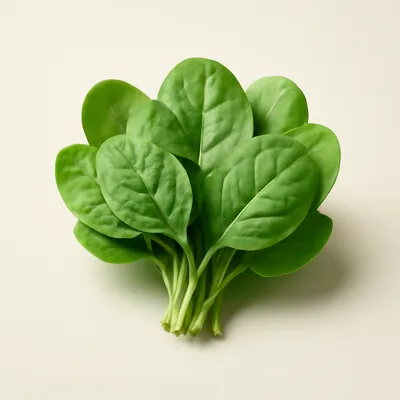


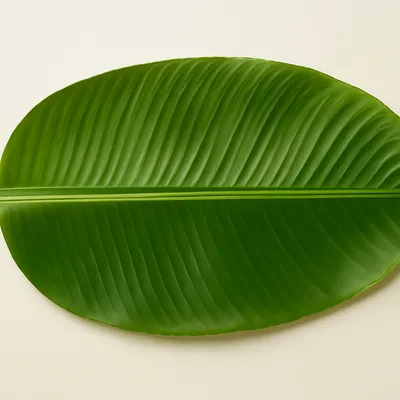

Lu sipi reflects Tonga's late-20th-century integration of New Zealand mutton (frozen lamb flap, called 'sipi' from English 'sheep') into the traditional Polynesian taro-leaf-and-coconut wrap. Before mutton imports, lu was made with pork, chicken, or fish; sipi became the standard from the 1980s onward as Tonga developed a large diaspora in New Zealand. Sunday lu sipi anchors the most-religious Pacific nation's weekly ritual: church in the morning, umu in the afternoon, family at the table.
Pull apart the wrapped lu sipi — taro leaves silky-soft, lamb falling-off-bone tender, the bottom of the parcel a savory broth of melted coconut cream and meat juices. Bite: rich lamb umami, taro-leaf mineral-bitter softened by long cook, coconut cream's tropical fat richness, onion's aromatic sweetness. With baked taro or cassava alongside, this is the Tongan Sunday: 3 hours of cooking, 30 minutes of eating, all afternoon of conversation.
Taro leaves' calcium oxalate softens during 3-hour low-temperature cook. Lamb shoulder's collagen converts to gelatin at 80-90°C over 2.5+ hours, producing the meltingly-tender texture. Coconut cream emulsifies with meat fat into a glossy sauce. Banana-leaf wrap traps all moisture, creating a steam-braise environment.
Variations
Lu pulu uses corned beef instead of lamb — diaspora version. Lu moa uses chicken. Lu hopa uses banana hearts (vegetarian). Lu fakapaku uses pre-cooked lamb for a faster version.
On the Palate
Where Lu Sipi sits in the Tongan flavor cloud
Wrap tight and cook low for a full 3 hours — the sealed banana-leaf parcel steam-braises the lamb until its collagen melts to gelatin and the taro leaves lose their oxalate sting; rush the time or let steam escape and you get tough meat and mouth-prickling leaves.
Ingredients
Serves 6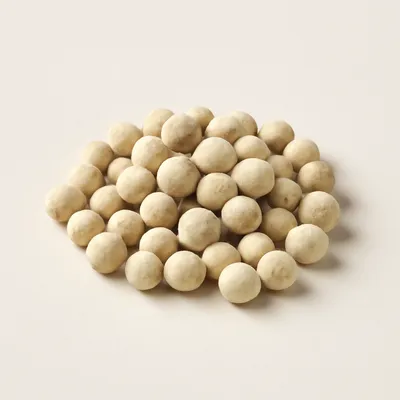
How it's made
11 steps · 50 min active + 3 hours 10 min waiting
- 15 min
Cut 1.5 kg lamb flap or lamb shoulder into 4-cm chunks.
- 232 min
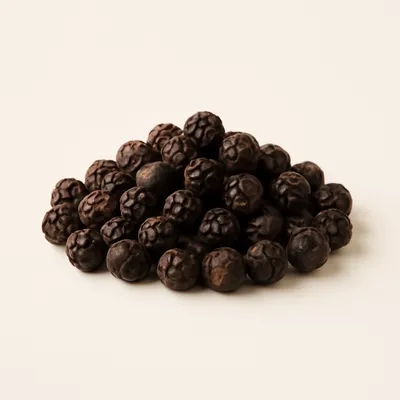
Marinate with 1 tsp salt + 1 tsp black pepper + 1 chopped onion. Rest 30 min.
- 35 min
Prep taro leaves: 1.5 kg fresh young taro leaves (or substitute: large spinach + mustard greens). Wash; remove tough stems.
- 43 min
Make coconut filling: 400 ml coconut cream + 1 tsp salt + ½ tsp white pepper.
- 510 min
Build parcels: stack 4-5 taro leaves overlapping. Place 3-4 lamb chunks + 2 tbsp coconut cream + a few onion slices in the center. Fold leaves to enclose into a ball.
Watch outStack the leaves generously overlapping and fold into a snug ball around the filling so nothing leaks during the long cook.
- 68 min
Wrap each parcel in 2-3 large banana leaves. Tie tightly with kitchen string.
- 7182 min
Umu method (traditional): place wrapped parcels on hot stones, cover with more leaves and a bit of soil. Cook 3 hours.
- 8182 min
Oven method: place in a roasting pan with 200 ml water at the bottom. Cover tightly with foil. Bake 200°C for 3 hours.
Watch outKeep the oven at a steady 200°C with water in the pan bottom; the foil should stay puffed and sealed the whole time.
- 916 min
Rest 15 min wrapped.
- 104 min
Unwrap at the table. The lamb falls apart at the touch of a fork.
Watch outIt's ready when the lamb falls apart at the touch of a fork — if it resists, it needs longer, not more heat.
- 113 min
Serve hot with baked taro, cassava, or breadfruit alongside.


