
Samoa's signature dish: young taro leaves wrapped tightly around a center of thick coconut cream (sometimes with corned beef, fish, or onion); the parcels are wrapped again in banana leaves and slow-cooked in the umu (earth oven) over hot stones for 2-3 hours. The taro leaves become silky-soft, the coconut cream caramelizes into a rich brown sauce, the entire parcel infused with smoke and leaf aroma. The Samoan family Sunday-meal centerpiece.




Palusami is the Samoan-identity dish, an ancient Polynesian preparation refined over centuries on Upolu and Savai'i. The umu (earth oven) is heated with hot stones for hours; the leaf-wrapped parcels go in, are covered with more leaves and earth, and slow-cook until the host calls everyone to eat. Without an umu, modern households use a steamer or oven, but the flavor isn't quite the same — the smoke from heated lava stones is unrecoverable.
Unwrap a hot palusami parcel — the leaf-fragrant steam billows up. Inside, the taro leaves have collapsed into a silky deep-green mass, the coconut cream caramelized into rich-brown sauce that pools at the bottom. Bite: the leaves are silky-tender (the 2-hour cook removes the calcium oxalate), the coconut sauce is sweet-salty-rich, the smoke from the umu (or the slow oven heat) infuses everything. With baked taro or breadfruit alongside, this is the Samoan family Sunday meal in one mouthful.
Taro leaves contain calcium oxalate crystals that are mildly toxic raw — long cooking (1.5-2 hour minimum) breaks these down and softens the leaves. Coconut cream's high fat content allows extended cooking without separation; the cream caramelizes through Maillard browning with the leaves' natural sugars. Banana-leaf wrapping creates a sealed steam environment, retaining moisture; the umu's hot stones provide both heat and smoke (phenolic compounds) that infuse the food.
Variations
Corned-beef palusami adds 200 g canned corned beef to the filling — the most-common Samoan diaspora version. Pork palusami adds chunks of pork shoulder. Fish palusami uses smoked or fresh fish. Vegan palusami uses extra coconut cream and onion. Modern restaurant palusami uses foil instead of banana leaves — works but loses leaf aroma.
On the Palate
Where Palusami sits in the Samoan flavor cloud
Ingredients
Serves 6How it's made
10 steps · 1 hour active + 3 hours waiting
- 16 min
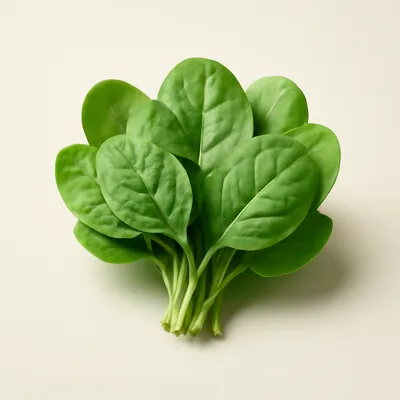
Prep taro leaves: 1.5 kg fresh young taro leaves, washed. (Substitute: large spinach + collard greens mix.)
- 25 min
Mix the filling: 400 ml thick coconut cream + 1 small diced onion + 1 tsp salt + ½ tsp black pepper. Some versions add 200 g corned beef or 200 g smoked fish flakes.
- 38 min
Build the parcels: stack 4-5 taro leaves overlapping. Place ⅓ cup of coconut filling in the center. Fold the leaves over to enclose, forming a ball.
- 48 min
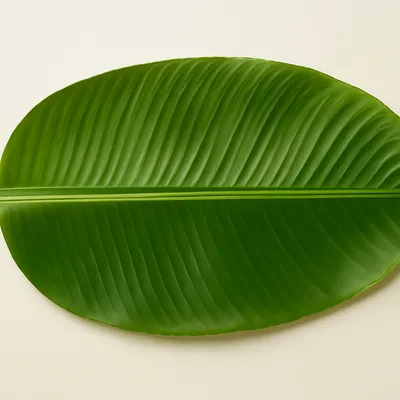
Wrap each parcel in 2-3 large banana leaves. Tie with kitchen string or strips of banana-leaf vein.
- 5121 min
Cook on heated stones (umu method): wrap in extra banana leaves and place over heated stones. Cover with more leaves and a bit of soil; cook 2-3 hours.
- 6152 min
Or oven method: place wrapped parcels in a roasting pan with 200 ml water at the bottom. Cover tightly with foil. Bake 200°C for 2.5 hours.
Watch outIn the oven, keep the foil sealed tight over water at the bottom — that trapped steam is what softens the leaves over 2.5 hours.
- 7122 min
Or steamer method: arrange parcels in a large steamer. Cover; steam 2 hours, replenishing water.
- 816 min
Rest 15 min wrapped.
- 94 min
Unwrap at the table — the steam and aroma release is part of the ritual. The taro leaves should be silky-soft (not stringy), the coconut filling caramelized into a rich brown sauce.
Watch outIt's done when the leaves are silky-soft, not stringy, and the coconut has reduced to a rich brown sauce.
- 103 min
Serve hot with extra baked taro, breadfruit, or rice on the side.


