


Samoan
Samoa is an independent Polynesian state. The Samoan language belongs to the Austronesian language family.
Palusami
Samoa's national dish — taro leaves wrapped around coconut cream and pork, baked in the umu earth oven over hot stones for 2+ hours. The leaves become silky-soft, the coconut cream caramelizes, the pork is fall-apart tender.
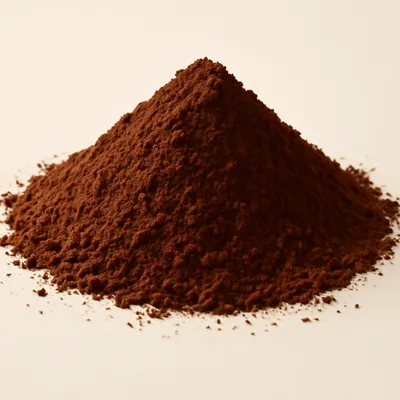
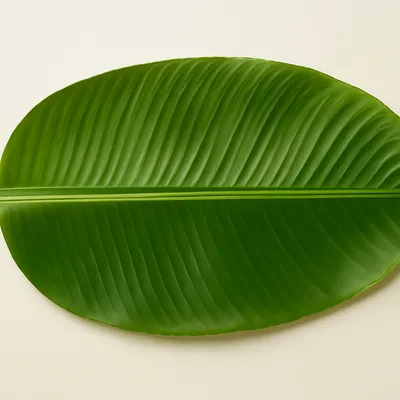
View page →Samoan cooking is built around the umu (earth oven), where banana-leaf-wrapped parcels of taro leaves, coconut cream, pork, fish, and breadfruit slow-cook over hot stones for hours. The signature dish palusami (taro leaves with coconut cream, wrapped and umu-cooked) is the Samoan plate that announces a Sunday family gathering. Oka i'a (raw fish in coconut and lime) is the everyday quick meal. Sapasui (chop suey with Chinese-Samoan heritage) is the cross-cultural household standard. The cuisine emphasizes communal cooking — entire families gather around the umu unwrapping and serving. Coffee with koko alaisa (cocoa rice) is the breakfast; tea with panikeke is the afternoon.
The Palate
Claims & sources2/2 reviewed
Claims & sources
This covers the claims listed here—not the whole page.
- FactReviewed fact
Samoa is an independent Polynesian state.
- Country Details — SamoaSupportsUnited Nations Group of Experts on Geographical Names · Accessed 2026-07-19Location: Country Details: Region 21-Polynesia; formal name the Independent State of Samoa
- United Nations Statistics Division · Accessed 2026-07-19Location: M49 Oceania / Polynesia classification, Samoa code 882
- FactReviewed fact
The Samoan language belongs to the Austronesian language family.
- SamoanSupportsGlottolog · Accessed 2026-07-19Location: Classification tree for spoken L1 language Samoan, glottocode samo1305
Start Here
Samoa's national dish — taro leaves wrapped around coconut cream and pork, slow-cooked in the umu earth oven 2+ hours.
Why start here · Palusami teaches the Polynesian art of leaf-and-stone cooking. The slow umu transforms simple ingredients into a deeply layered dish; unwrapping at the table is half the experience.
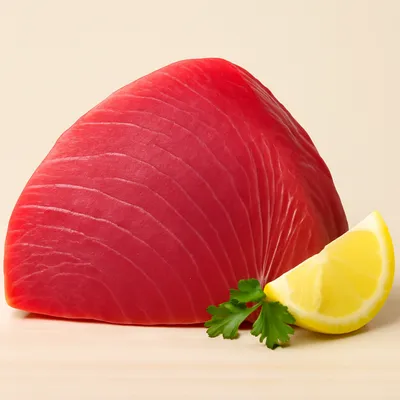
Samoan raw tuna in coconut milk with lime, cucumber, tomato, onion — the Polynesian ceviche.
Why start here · Oka i'a is what Samoans eat for everyday lunch — cool, fresh, light, and Pacific-bright. The acid-cure technique is shared across the Pacific.
Samoan-Chinese chow mein with cellophane noodles, chicken, soy-ginger sauce.
Why start here · Sapasui shows that Samoa isn't just umu and palusami — the Chinese-Samoan community integrated noodle culture into Samoan everyday food. Cold-leftover sapasui the next day is the secret rite.
Samoan coconut sweet rolls — yeasted bread soaked in sweet coconut milk.
Why start here · Pani popo is the Samoan family-celebration bread — pulled apart at gatherings, the sticky-bottom-and-golden-top contrast defines the dish.
The Pantry




See all 40 ingredients›
Proteins



Herbs & Spices



Grains & Staples


Dairy & Fats






On the Map
Where this cuisine is found
Regional Styles
Upolu & Apia
Main island and capital — palusami-and-oka-i'a heartland, umu Sunday tradition, Apia market for fresh tuna and breadfruit.
Savai'i & Western Samoa
Larger but less populated island — traditional cooking, deep umu tradition, abundant taro and breadfruit fields.
Apia Cafés & Sino-Samoan
Urban Apia — Chinese-Samoan restaurants, sapasui kiosks, panikeke morning stands, koko alaisa breakfast.
How They Cook
Techniques that define this cuisine


