
Curanto Patagónico
Mapuche-origin earth-oven communal feast — a pit lined with hot stones layered with chicken, pork, sausage, mussels, potato, corn, and pumpkin, sealed with leaves and steam-cooked underground for 2 hours.

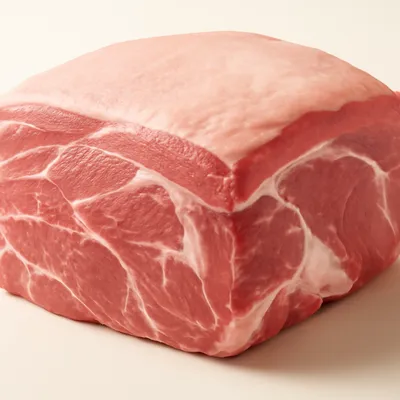



Curanto (from Mapudungun 'kurantu', meaning 'hot/stony ground') is an ancient earth-oven tradition of southern Argentina and Chile, attributed to the Huilliche (a southern Mapuche people) and earlier Chiloé hunter-fisher cultures, with cooking pits at Puente Quilo in northern Chiloé dated to around 6,000 years old — Bariloche, El Bolsón, and across into Chiloé Island in Chile. The cook digs a pit, lines it with stones heated red-hot in a separate fire, then layers proteins (chicken, pork shoulder, chorizo, blood sausage, mussels), starches (potatoes, corn, pumpkin), and aromatics (onion, garlic). The pit is covered with the giant leaves of nalca (Chilean rhubarb) or pangue, then sealed with wet sacks and dirt. The food steams underground for 2 hours, infused with smoke, stone heat, and the leaves' grassy aroma. The dish is communal — preparation and eating are both group rituals lasting half a day.
Unstack a curanto onto the table boards: chicken thighs sit on top of pork shoulder which sits on top of potatoes which sit on top of corn. The smoke-and-cabbage-leaf aroma rises with the steam. Pick up a piece of pork — tender, juice-dripping, infused with mussel-broth umami. A potato that's absorbed all the meat fats. A mussel that opened wide in the wet heat. Sip the broth — concentrated meat-and-shellfish stock, with white wine acidity. The dish is a communal hour-long experience, not a portion-sized meal.
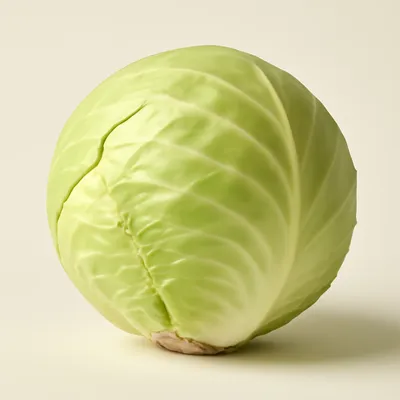
Steam-cook in a sealed pot replicates the underground curanto pit: pressure builds slightly under the cabbage-leaf seal, raising the boiling point and accelerating collagen conversion in the meats. The layering matters — chicken and pork on the bottom render fats that drip into the potatoes and corn beneath them, while the mussels' brine drips down to season everything. The cabbage leaves substitute the umami of nalca's tannin-rich leaves and add a grassy aroma to the steam.
Variations
Mapuche traditional curanto en hoyo (in-the-ground) uses real nalca leaves and red-hot stones; Bariloche restaurant version uses a brick-encased oven; Chiloé island Chilean version is slightly different with more seafood; modern Patagonian restaurants offer 'curanto en olla' (in-the-pot) versions that home cooks can replicate.
On the Palate
Where Curanto Patagónico sits in the Argentinian flavor cloud
Layering is everything — chicken and pork on the bottom render fat down into the potatoes and corn, and the mussels' brine drips through to season the whole pot as it steams sealed.
Ingredients
Serves 12







How it's made
5 steps · 1 hour 30 min active + 2 hours 30 min waiting
- 120 min
(Modern home adaptation in a large pot — replicates the layering and steam-cook indoors.) Cut into pieces: 800g chicken thighs, 800g pork shoulder cubes, 4 chorizo sausages (split lengthwise), 4 blood sausages. Season each with salt, pepper, and 4 minced garlic cloves.
- 210 min
Layer the bottom of a heavy 8L pot with 4 thickly-sliced onions. Add a layer of chicken thighs, then pork. Pour 400ml white wine + 200ml chicken broth over.
Watch outSpread the sliced onions in an even bed on the bottom so the meats sit on a cushion and don't scorch on the metal.
- 315 min
Add another layer: 1.5kg unpeeled potatoes (whole baby or halved larger), 4 ears corn (each cut into 3), 1 small pumpkin (1kg, chunked, seeds removed but skin on).
- 48 min
Layer the chorizo and blood sausages on top, plus 2kg cleaned mussels in their shells. Sprinkle with 2 tbsp coarse salt, 1 tbsp black pepper, 4 bay leaves.
Watch outNestle the mussels on the very top so their brine trickles down through everything below.
- 5132 min
Top everything with 3-4 large fresh cabbage leaves (substitute for nalca leaves). Cover with the pot lid + a heavy weight on top to seal. Cook on low heat for 2 hours undisturbed. To serve: unstack the layers onto large serving boards, ladle the cooking broth into separate bowls for sipping. Eat with hands or simple cutlery; bread for sopping juices.
Watch outThe cabbage-leaf cap should sit snug against the food before the lid goes on — it holds the grassy steam in.
Archive tool suggestions — not reviewed
These legacy suggestions have not been evidence-reviewed and are not presented as required tools.


