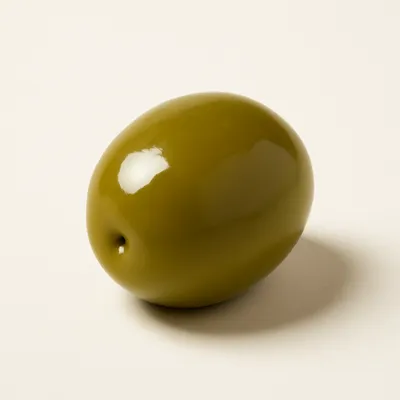
Tamal criollo is the coastal Peruvian corn parcel — a soft masa of ground field corn enriched with lard and seasoning, wrapped around seasoned pork, a piece of hard-boiled egg, an olive and often a peanut, then folded into a banana leaf and steamed until set. The leaf perfumes the masa as it cooks; unwrapped, the tamal is golden, savory and tender. It is classic weekend-breakfast fare, eaten on Sunday mornings with bread and salsa criolla, sold at bakeries and by street vendors. Making it is an all-day, often communal undertaking, the kind of cooking families do together.
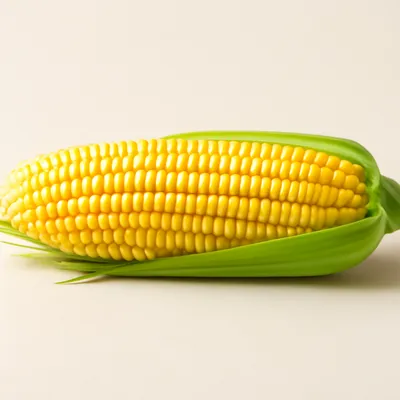


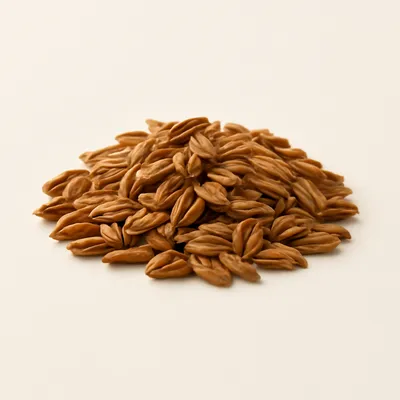

The tamal is pre-Hispanic at its root — wrapped, steamed corn-masa parcels were eaten across the Andes and much of the Americas long before contact, when maize was a pillar of the diet. The criollo form took shape after the Spanish arrived in the sixteenth century and folded in new ingredients: pork in place of older native meats, plus olives, hard-boiled egg, and seasonings such as cumin and ají panca. The result is the coastal, Lima-style tamal as it is known today, distinct from the highland humita and the many regional tamales of Peru. Peru and Mexico both claim deep tamal traditions; the dish has no single inventor, standing instead as a centuries-old fusion of native corn and colonial additions.
Unwrapped from its leaf, the tamal is a warm, golden block, soft and slightly dense, with the faint green scent the banana leaf leaves behind. The masa is tender and savory, gently warmed by ají panca and cumin, a little rich from the lard. Tucked inside are the savory surprises — a piece of seasoned pork, the soft yolk and white of egg, a briny olive, the odd peanut for crunch. Eaten with sharp, limey salsa criolla and a bite of bread, the soft sweet corn against the tangy onion is the taste of a Peruvian Sunday morning.
The structure depends on the corn starch in the masa setting as it steams: gentle, steady moist heat gelatinizes the starch and, with the lard worked through it, firms the soft batter into a sliceable, tender block rather than a loose porridge. The lard is key — creamed into the masa, it coats the starch granules, keeping the crumb moist and giving richness and a fine texture. The banana leaf does more than hold the parcel: it withstands the steam, keeps the masa moist, and passes on a subtle grassy aroma. Long, slow steaming all the way through is what cooks the center without drying the outside.
Variations
Fillings shift by region and cook — chicken instead of or alongside pork, more or fewer olives and peanuts, sometimes a strip of ají. The northern coast favors a paler, sometimes sweeter tamal, while other versions lean savory and chili-warmed. Where banana leaves are scarce, corn husks stand in. The highland cousin, the humita, is made from fresh young corn and is softer and often sweet; in the north a green-tinged tamal verde is made with cilantro-seasoned masa. Leftover tamal is famously fried or griddled the next day.
On the Palate
Where Tamal Criollo sits in the Peruvian flavor cloud
Ingredients
Serves 8

How it's made
8 steps · 1 hour 30 min active + 2 hours 30 min waiting
- 130 min
Soak dried field corn, then grind it to a coarse paste, or use prepared corn masa.
- 215 min
Cream the lard until fluffy, then beat in the masa, ají panca, cumin, garlic and salt to a soft, spreadable dough.
Watch outCream the lard until fluffy, then beat it into the masa — coating the starch granules with fat is what keeps the steamed crumb moist and tender, not dry.
- 330 min
Season pork pieces and cook them gently in a little ají panca and garlic until tender; reserve.
- 410 min
Soften the banana leaves over a flame or in hot water so they fold without cracking, and cut into squares.
- 520 min
Spread a portion of masa on each leaf, then add a piece of pork, half a hard-boiled egg, an olive and a peanut.
- 615 min
Fold the masa over the filling, then wrap the leaf into a sealed parcel and tie it.
- 7120 min
Stack the parcels in a steamer and steam over low heat for about two hours until the masa is firm and set.
Watch outSteam low and slow about two hours until the masa firms into a sliceable set — steady moist heat gelatinizes the starch through; rush it and the center stays a loose porridge.
- 85 min
Let them rest a few minutes, then unwrap and serve warm with salsa criolla and bread.
Archive tool suggestions — not reviewed
These legacy suggestions have not been evidence-reviewed and are not presented as required tools.


